
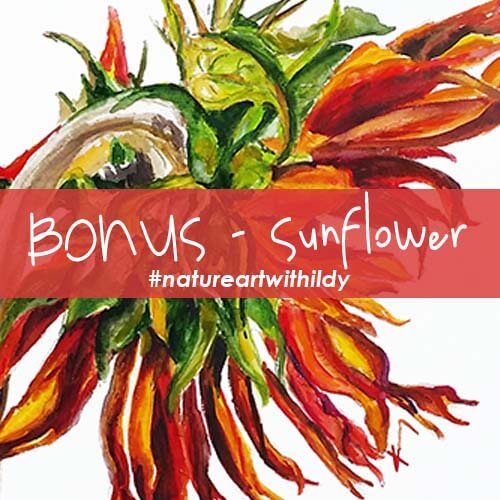
Dear Artist,
My NATUREART SEASONAL WORKSHOP consists of 4 sessions: SPRING – SUMMER – AUTUMN – WINTER
This is our last lesson of the NATUREART SUMMER Session. Many thanks for you to be with me during this 3 months.
Thank you for your uploaded and hiding paintings ::)
The videos are at the bottom of the page. You may scroll down but as I always suggest to be friend with the subject first so read the interesting infos before you start your painting.
SUNFLOWER
I’ve been painting sunflowers for years, but now I want to show you a different perspective.
When sunflowers are blooming is usually when the school is about to begin for my kids and I usually feel the coming of autumn.
At that time I somehow no longer feel the smell of summer.
So I like sunflower. I bought a small-sized potted as a gift. There is also a thick stalk in front of one of a house in the street, which is branched toward more and has 3-5 heads. Recently, I counted 15 heads on 1 sunflower. Sure Mutant 🙂

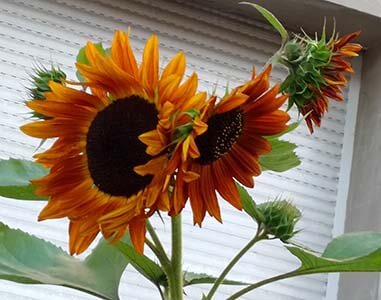
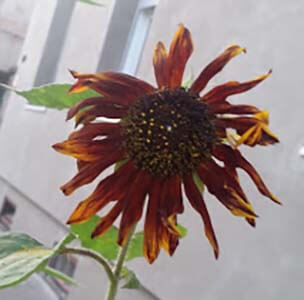
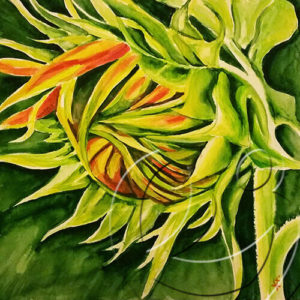
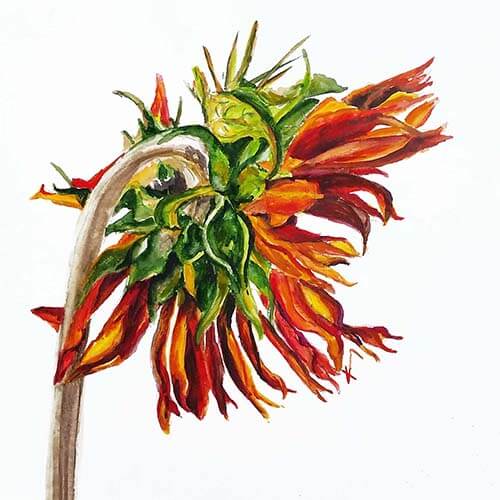
I’ve painted withered sunflower more than10 years ago, I like the back side better than the front.

Sunflower (Helianthus annuus) family (Asteraceae) Supertribe Heliantheae best known species is a genus of plants comprising about 70 species.. It is a popular crop, one of the arable crops. It is considered a medicinal plant due to its beneficial physiological effects. It is the most important oil crop grown in Hungary.
The sunflower (Helianthus annuus) is a living annual plant in the family Asteraceae, with a large flower head (capitulum). The stem of the flower can grow up to 3 metres tall, with a flower head that can be 30 cm wide. Other types of sunflowers include the California Royal Sunflower, which has a burgundy (red + purple) flower head.
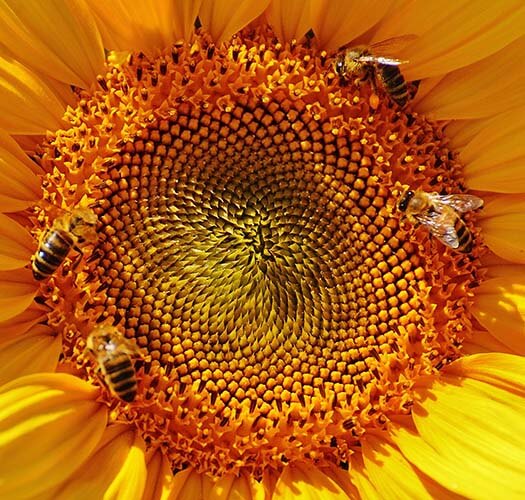
The flower head is actually an inflorescence made of hundreds or thousands of tiny flowers called florets. The central florets look like the centre of a normal flower, apseudanthium. The benefit to the plant is that it is very easily seen by the insects and birds which pollinate it, and it produces thousands of seeds.
The sunflower is the state flower of Kansas. That is why Kansas is sometimes called the Sunflower State. To grow well, sunflowers need full sun. They grow best in fertile, wet, well-drained soil with a lot of mulch. In commercial planting, seeds are planted 45 cm (1.5 ft) apart and 2.5 cm (1 in) deep.
Description
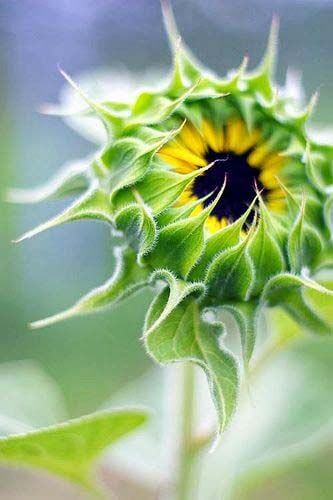
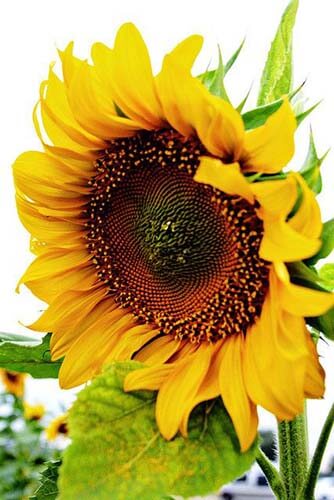
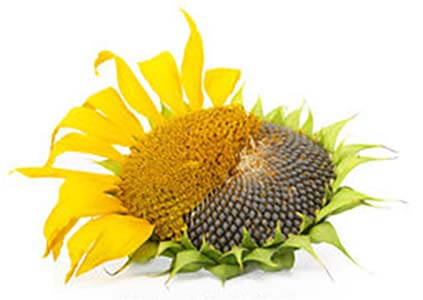
The outer petal-bearing florets are the sterile florets and can be yellow, red, orange, or other colors. The florets inside the circular head are called disc florets, which mature into seeds.
The flower petals within the sunflower’s cluster are always in a spiral pattern. Generally, each floret is oriented toward the next by approximately the golden angle, 137.5°, producing a pattern of interconnecting spirals, where the number of left spirals and the number of right spirals are successive Fibonacci numbers. Typically, there are 34 spirals in one direction and 55 in the other; on a very large sunflower there could be 89 in one direction and 144 in the other.
Sunflowers commonly grow to heights between 1.5 and 3.5 m (5–12 ft.). The tallest sunflower confirmed by Guinness World Records is 9.17 m (2014, Germany). In 16th century Europe the record was already 7.3 m (24 ft., Spain). Most cultivars are variants of H. annuus, but four other species (all perennials) are also domesticated. This includes H. tuberosus, the Jerusalem Artichoke, which produces edible tubers.
8 Stages of Sunflower Growth
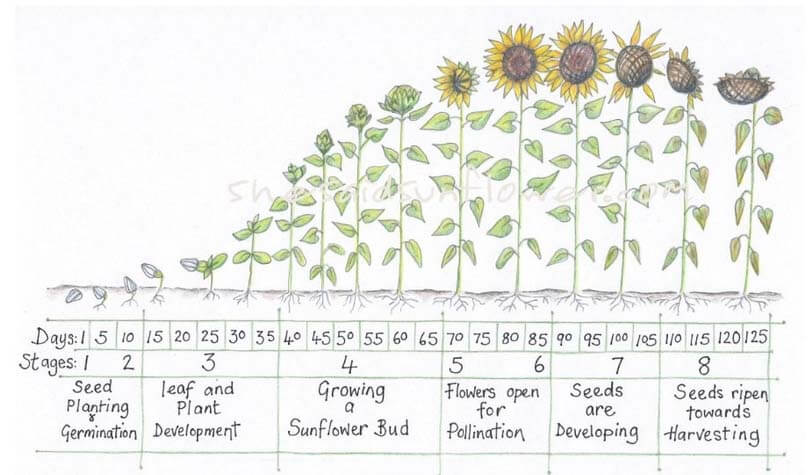
read all about stages HERE
Types of Sunflower
GIANT
Height: 9-16 ft
Bloom size:
10-14+ in
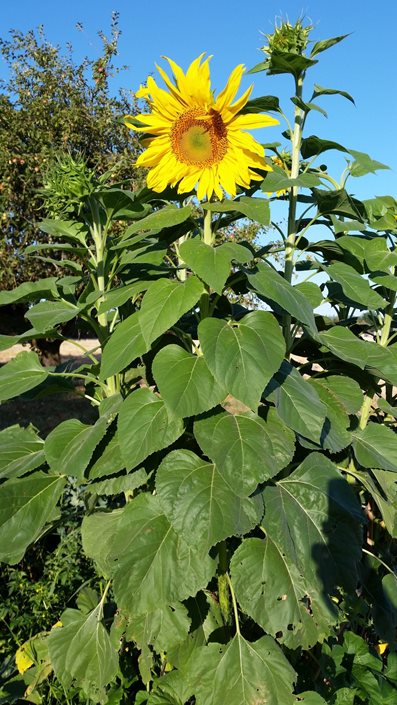
These annual plants boast giant flowers, sometimes measuring more than a foot across. They make a good screen or backdrop and attract all sorts of pollinators. Some varieties have edible seeds. Most need staking to prevent them from falling over in the wind or rain.
Grow these:
- Helianthus annuus ‘American Giant’
- Helianthus annuus ‘Russian Mammoth’
- Helianthus annuus ‘Mammoth Grey Stripe’
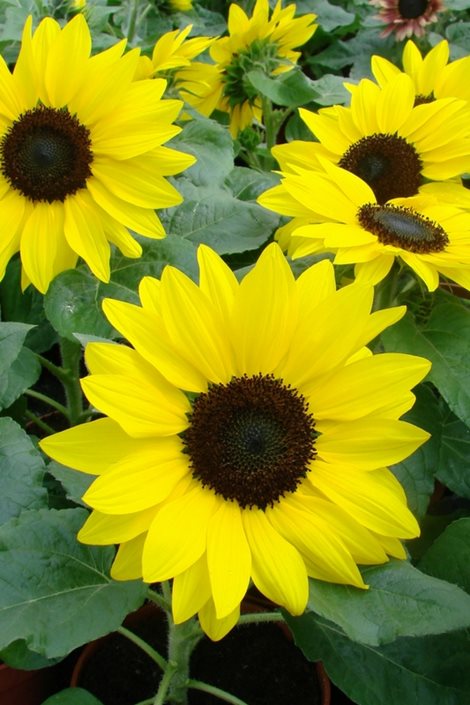
DWARF
Height: 1-4 ft
Bloom size:2-10 in
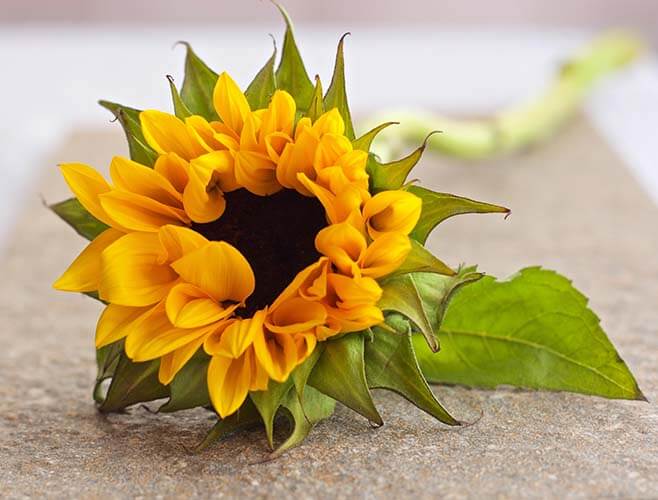
Dwarf sunflowers are good for containers or small gardens. Many dwarf types are branching and offer multiple blooms per plant. Some are double-flowered, some are bicolored, and some are pollenless. Dwarf sunflowers are the perfect size for cutting and using in arrangements.
Grow these:
- Helianthus annuus ‘Little Becka’
- Helianthus annuus ‘Solar Flash’
- Helianthus annuus ‘Suntastic Yellow’ (AAS Winner, pictured)
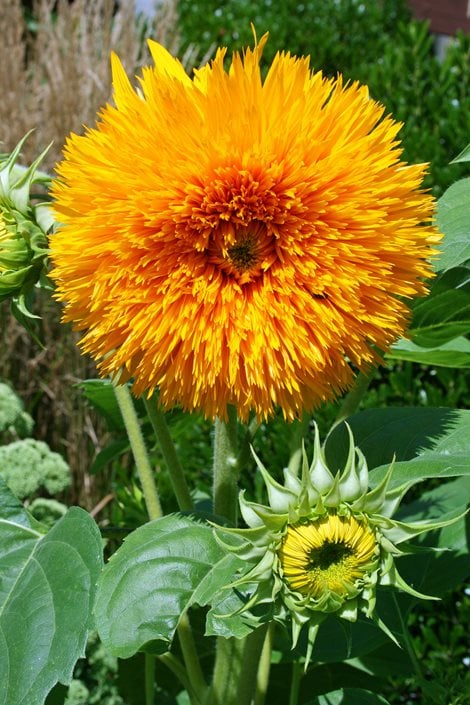
DOUBLE
Height:2-6 ft
Bloom size: 4-8 in
Known for their fuzzy, fluffy, or soft texture, double sunflowers are attention grabbers. Available in semi-double or fully-double forms, their flowers last longer than single-bloom sunflowers and make excellent cut flowers. Many are pollenless or have minimal pollen.
Grow these:
- Helianthus annuus ‘Teddy Bear’
- Helianthus annuus ‘Greenburst’
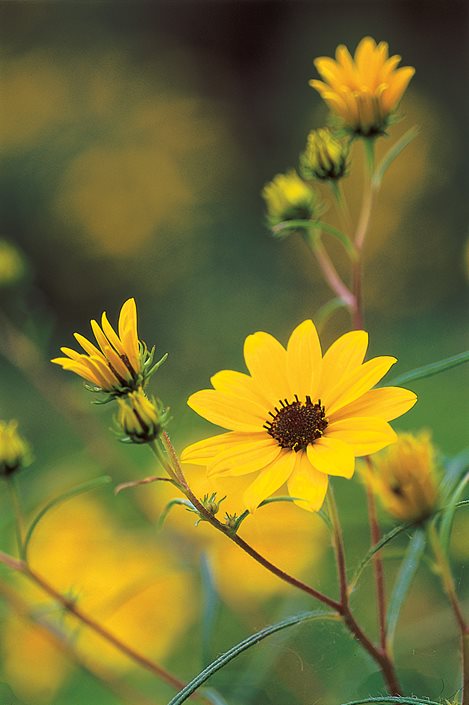 PERENNIAL
Zones:4-8
Height: 1-10 ft
Bloom size: 2-5 in
Perennial sunflowers will come back year-after-year. They are tough plants that offer 8-12 weeks of flowers. Rather than sending up a giant flower head, like many of the annual types, these sunflowers form clumps with many smaller flowers.
Grow these:
- Helianthus ‘Lemon Queen’
- Helianthus xmultiflorus ‘Capenoch Star’
- Helianthus salicifolius ‘First Light’
- Helianthus maximiliana ‘Santa Fe’
- Helianthus angustifolius ‘Gold Lace’
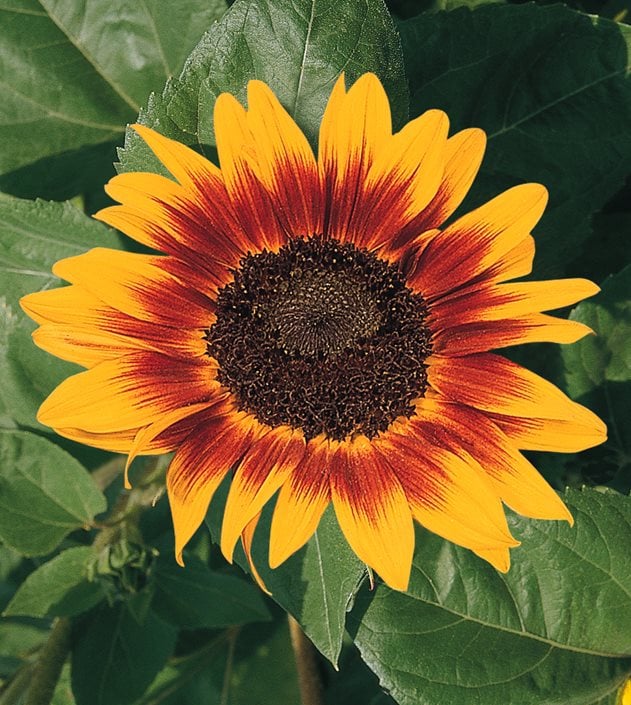
SPECIALTY
Height:4-7 ft
Bloom size:4-8 in
Many gardeners are surprised to discover that sunflowers are available in more colors than the classic yellow. There are types with deep red flowers, others that show of beautiful combinations of color and still others that are white.
Grow these:
- Red: Helianthus annuus ‘Velvet Queen’ or ‘Chianti’
- Bicolor: Helianthus annuus ‘Ring of Fire’ or ‘Candy Mountain’
- White: Helianthus annuus ‘Coconut Ice’ or ‘Italian White’
- Mixed: Helianthus annuus ‘Autumn Beauty’ or ‘Music Box’
Harvesting and Eating Sunflower Seeds
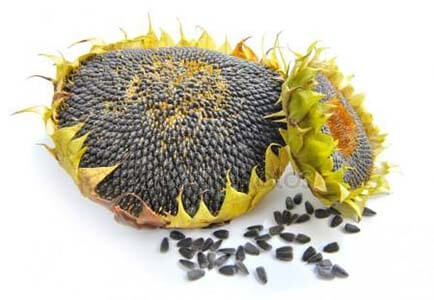
The seed contains more nutrients than its small size might indicate. From fiber and protein, to unsaturated fats, zinc, iron and Vitamin A, Vitamin D, Vitamin E and Vitamin B complex, all can be found in the unassuming sunflower seed.
USAGE
Inside the seeds contains vitamins (B1, B2), nicotinic acid, phosphorus, iron, potassium, vegetable fats and many proteins.
Ingredients in tea made from sunflower petals have been shown to have diuretic, antipyretic and wound healing properties.
The seeds may be eaten raw, fried in oil or roasted dry. The raw seed is sprouted and sprinkled on salads topped with sandwiches. Its flower buds are put raw in salads, steamed as edible vegetables. It has a valuable oil suitable for frying.
Sunflower oil was initially used in leather and wool processing, and has only been used for food purposes since the early 19th century, but at first to a very limited extent. At the beginning of the 20th century most of the oil was made into soap or paint, and its nutritional use became widespread in the 1940s. In our time, it is mostly used as cooking oil, but it is also an important raw material for the production of margarine and soap. The extracted meal remaining in oil production is given to animals as protein feed.
It is not only an important oil plant, but also a valuable green fodder. Dense sunflower as a secondary crop is the safest green manure crop anywhere in the country.

Family: Asteraceae
Sunflowers belong to the family Asteraceae. With nearly 1,550 genera and approximately 24,000 species, this is the largest plant family. The orchid family (Orchidaceae) and legume family (Fabaceae) are the next two largest families. Most members of the family have alternate leaves and flowers composed into compact heads, each with five stamens.
Genus: Helianthus
The genus Helianthus contains approximately 50 species of annuals and perennials. This is largely an American genus with species native to North and South America. Most have bristly leaves and large flower heads. Most species are yellow, although hybridization has resulted in cultivars with flower colors including orange, purple, red and cream. Species include swamp sunflower (Helianthus angustifolius), which grows in U.S. Department of Agriculture plant hardiness zones 6 through 9, and woodland sunflower (Helianthus divaricatus), which grows in zones 3 through 9.
Species: Annuus
The common annual sunflower is arguably the most familiar sunflower, particularly in the West. The species grows 5 to 12 feet tall and has characteristic hairy, splotchy stems. The flower clusters are typically 3 to 6 inches across in species plants with dark yellow rays. Several cultivars of this species exist, as well, expanding the color selection, height and flower shape. Cultivars range in height from 1-foot dwarf varieties to mammoths that reach nearly 15 feet tall with dinner plate-sized flowers.
Single or Double
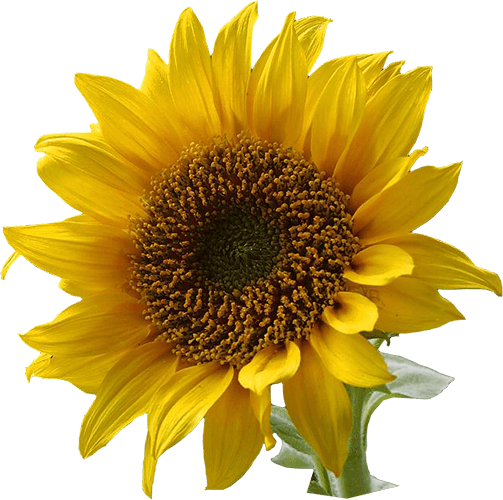
Although sunflowers technically have hundreds of flowers on each bloom, most gardeners classify the plants by the type of flower head, which can be single or double. A single sunflower means that each bloom has a single layer of petals, or ray flowers, surrounding the center. A double sunflower has two rows of ray flowers.
Sunflowers are usually tall annual or perennial plants that in some species can grow to a height of 300 cm (120 in) or more. They bear one or more wide, terminal capitula (flower heads), with bright yellow ray florets at the outside and yellow or maroon (also known as a brown/red) disc florets inside.
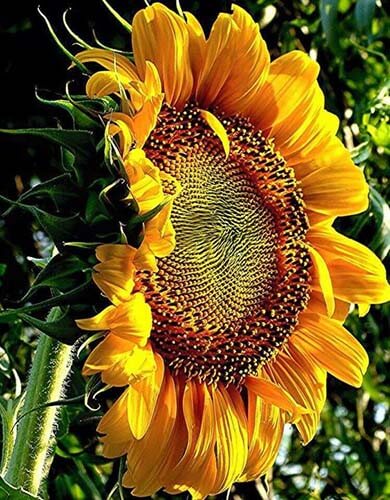
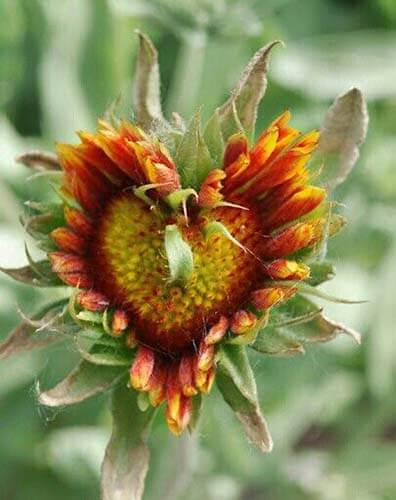
The Heliotropism of a Sunflower –
How Does a Sunflower Move?
Sunflowers (Helianthus annuus) are one of several plant species that make optimum use of light by turning to face the sun. Heliotropism is essentially solar tracking. It enhances the photosynthesis process and increases growth rates. Heirloom varieties of sunflower may exhibit more pronounced sun-tracking characteristics than newer, hybrid versions of these annual flowers.
How It Works
Heliotropism, also called phototropism, is most apparent in immature sunflower buds. As the flowers develop, they lose their flexibility of movement. A flexible segment of the stem just below the flower responds to pressure within the motor cells, causing the sunflower to turn toward light. The plant tracks light to enhance photosynthesis, the process of creating food from light. Heliotropism also increases the flower temperature, which attracts bees and other pollinators. The rise in temperature increases the rate of pollen germination. Mature sunflowers with stiffer stems become stationary, facing the rising eastern sun.
During Day
A young sunflower’s flower head faces the sun to receive the sunlight it needs for photosynthesis. Heliotropism is the term for a plant’s ability to follow the sun. That ability allows a sunflower to move with the sun as it arcs across the sky from east to west; the sunflower’s bloom always faces the sun.
Process
The neck of the sunflower’s stem, just below the bloom, points the bloom in the direction of the sun. In early morning, plant cells on the western side of the stem begin to grow and elongate, causing the sunflower bloom to tilt toward the sun. As the sun moves across the sky, the cells on the stem’s side that is opposite the sun elongate, keeping the flower head facing the sun.
During Night
The sunflower doesn’t stop tracking the sun after the sun dips below the horizon. The sunflower’s bloom continues to move until it faces east, put the flower head in position to catch the sun’s morning rays. Sometimes, the flower faces east before the sun fades completely in evening.
Mature Plant
When the sunflower plant matures, the neck of its stem no longer grows, and tracking of the sun’s arc ceases. The blooms of most mature sunflowers face east, but some face other directions. When planting a sunflower, place it where you’ll be able to see its flower head when the plant matures and is in full bloom. For example, plant the sunflower on your yard’s western or northern side.
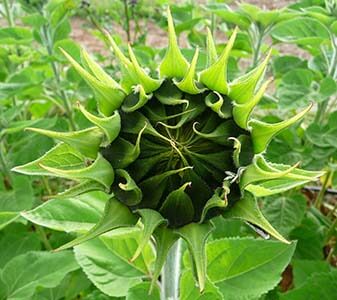
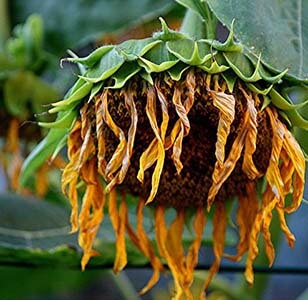
The Mystery Of Why Sunflowers Turn To Follow The Sun — Solved
Scientists have answered a burning question central to the charm of sunflowers: Why do young flowers move their blooms to always face the sun over the course of a day?
And then: Once sunflowers reach maturity, why do they stop tracking the sun and only face east?
In a newly-published article in Science, the researchers say the young plant’s sun-tracking (also called heliotropism) can be explained by circadian rhythms – the behavioral changes tied to an internal clock that humans also have, which follow a roughly 24 hour cycle. A young flower faces east at dawn and greets the sun, then slowly turns west as the sun moves across the sky. During the night, it slowly turns back east to begin the cycle again.
“It’s the first example of a plant’s clock modulating growth in a natural environment, and having real repercussions for the plant,” UC Davis professor and study co-author Stacey Harmer says in a press release from the university.
The researchers found that the plant’s turning is actually a result of different sides of the stem elongating at different times of day. Science released this animation to illustrate the phenomenon:
How to trap a sunflower?
Turning to the sun is attributed to the more vigorous development of sunflower. This was confirmed by the researchers by turning the sunflowers in pots in the laboratory, from orientated east in the dark of night, to the west every night. In another group, the sunflower was not rotated, but fixed, incapable of rotation. In both groups, the weight and leaf area of the adult plants were 10 percent less than that of the undisturbed control plants
Many plants turn their leaves in the direction of light, but only a few are able to rotate their stalks back and forth with leaves and inflorescence, just like sunflower. Although known since 1898, science has not addressed it so far.
Researchers have now identified more genes that have been activated in greater numbers on the sunny side of the sunflower stalk and at night on the other. It turned out that there are two systems that control growth in the stem: one regulates overall growth based on the amount of light available, while the other, which is dictated by the circadian rhythm, is responsible for alternating lateral development of the stem. The end result of their combined effect is that sunflower produces more seeds, which essentially contributes to the survival of the species, thus providing an evolutionary advantage.
The Indians have been growing sunflower for 3,000 years, which Columbus introduced to Europe. For a long time it was planted only as an ornamental plant, on the edges of roads, gardens, and then mostly used as a fodder plant. Consumption of oil pressed from kernel spread only from the 1940s and has now become one of the most widely traded cooking oils.
energetically – copy sunflowers 🙂
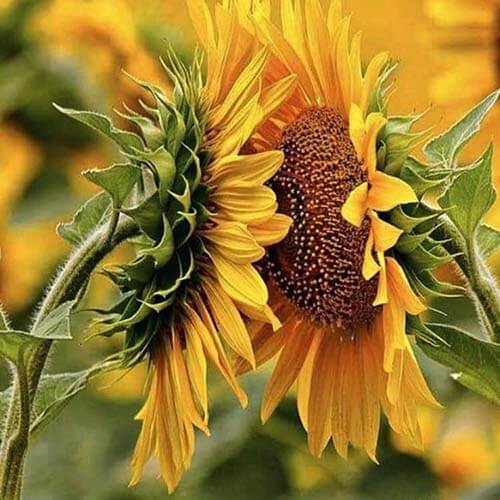
Sunflowers 🌻 turn according to the position of the sun. In other words, they “chase the light.” You might already know this, but there is another fact that you probably do not know!
Have you ever wondered what happens on cloudy and rainy days when the sun is completely covered by clouds?🤔
Perhaps you think the sunflower withers or turns its head towards the ground. Is this what crossed your mind?
Well, that’s incorrect!This is what happens?
They turn towards each other to share their energy.🌻✨🌻
Nature’s perfection is amazing. Now let’s apply this reflection to our lives. Many people may become low-spirited, and the most vulnerable ones, sometimes, become depressed.
How about following the example of the beautiful sunflowers 🌻i.e.”Supporting and empowering each other”. Nature has so much to teach us.
Wishing everyone a “Sun flower”🌻 trait of turning towards each other on their cloudy and gloomy days.
from: fb post of Julie West Covelli
13 interesting facts about SUNFLOWER
1. Each sunflower consists of thousands of tiny flowers. Yellow petals and brown “centers” each represent a flower. A large sunflower plate can hold up to 2000 pieces.
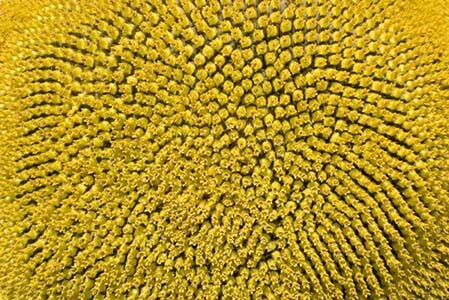
2. If you want to delight in the apartment and put it in a vase, we cut it out of the garden early in the morning because its plate shrinks in the afternoon.
3. Each sunflower’s head is made of smaller flowers. The petals we see around the outside are called ray florets, and they cannot reproduce. But the disc florets in the middle, where the seeds develop, have both male and female sex organs, and each produce a seed. They can self-pollinate or take pollen blown by the wind or transported by insects.
4. This sunflower species is also used as wild bird food. Our feathered friends prefer it, and we all admire them in the garden bird feeders, especially during the winter months.
5. Each sunflower is actually made of thousands of teeny flowers called florets. The iconic yellow petals and fuzzy brown centers are actually individual flowers themselves. As many as 2000 can make up the classic sunflower bloom.

6. Currently, there are about 70 varieties of sunflowers known in the world. They all belong to the genus Helianthus, derived from the Greek word, but the shape of each species may be quite different. Some have less seeds and yellow petals, and vice versa.
7. The meaning of the word sunflower means that the sun turns. It can be clearly seen in the huge sunflower tables that the plates really always follow the sun.
8. the world’s tallest sunflower reaches 30 feet and 1 inch (9,17 meter)
In the summer of 2014, Veteran green-thumb Hans-Peter Schiffer toppled the Guinness World Record for third year in a row. The local fire brigade lent its help in measuring the sunflower, which required its own scaffold.
9. Sunflowers can remove toxins, such as lead, arsenic, and uranium, from contaminated soil. They are a natural decontaminator of soils and have been used to clean up soil at some of the world’s biggest environmental disasters, including Chernobyl and Fukushima.
10. Tsar Peter the Great was so fascinated by the sunny flowers he saw in the Netherlands that he took some back to Russia.
11. The sunflower is the national flower of Russia.
12. Sunflowers are very fast growing plants, in the right conditions they can grow 2.4-3.7 m (8-12 feet) tall in six months.
13 The Mexican Sunflower is smaller than the traditional variety and consists of practically all petals and no centre, as it is grown for ornamental purposes.
-
3 of the 70 species 🙂
 Prado Red
 Mammoth Russian
 Teddy Bear

VAN GOGH
30 March 1853 – 29 July 1890
The ‘Paris Sunflowers’
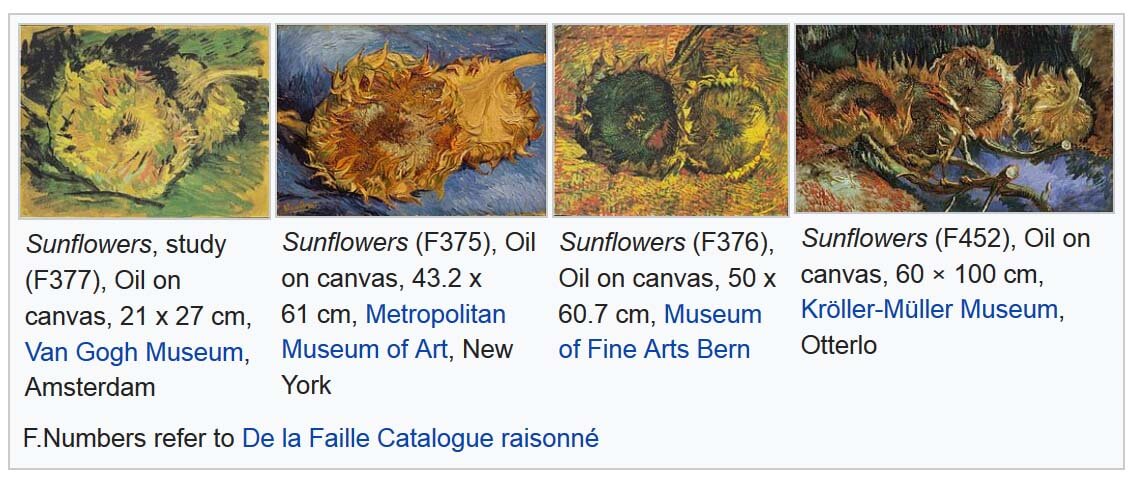
Some of Vincent van Gogh’s most famous works are his Sunflower series. He painted a total of twelve of these canvases, although the most commonly referred to are the seven he painted while in Arles in 1888 – 1889. The other five he had painted previously while in Paris in 1887.
There are many pieces within this series of paintings (each is clearly identifiable as a Van Gogh work) in which there are only minor differences that separate them. The overall layout of the painting along with positioning of the actual sunflowers usually remains the same in the similar paintings.
As Van Gogh anticipated in 1889, the Sunflowers finally became his, and served – combined with self-portraits – as his artistical arms and alter ego up to the present day: no retrospective Van Gogh exhibition since 1901 voluntarily missed to include them, and a wealth of forgeries as well as record-setting price paid at auction acknowledges their public success: Perhaps, because Van Gogh’s Sunflowers are more than his or him – they may be considered, as Gauguin put it, the flower.
While Vincent himself never actually stated why he liked the sunflowers in particular, references to them are made in his many letters, which help give us some idea. In a letter to his sister dated 21 August 1888, he talks of his friend Gauguin coming to live with him in his yellow house in Arles. Then goes on to say that he intends to decorate the whole studio with nothing but sunflowers. Though originally made for Gauguin, van Gogh later took the sunflower as his own personal artistic signature, telling his brother Theo in another letter in 1889 that “the sunflower is mine.”
Seven were like the wicked
Van Gogh painted seven sunflower still life. The first four were painted in the summer of 1888, and copied three more times his solitude of winter. Although paintings are a treasure, at that time trove of the world’s largest museums, the dog did not have to. Anyone who wants to see all of them must reach deep into their pockets and even see only five. It is available in London, Munich, Amsterdam, America and Japan. A painting has been kept secret by a billionaire since 1948 and never borrowed, only his best friends can see it, and an image was destroyed during World War II.
The initial versions, August 1888

The Repetitions, January 1889
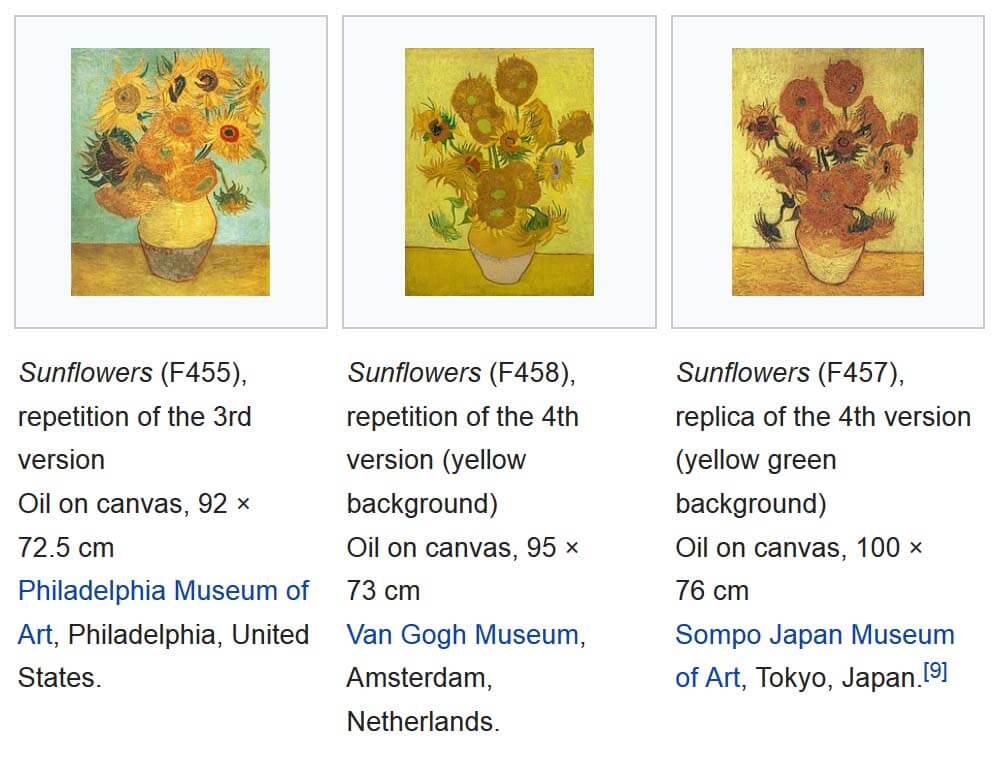
The destroyed painting was the most beautiful
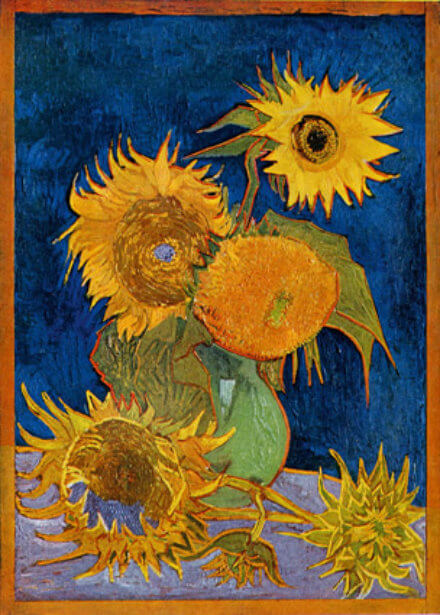
5 sunflower in a vase
August 6, 1945 was a mournful day for Japan – the atomic bomb was dropped on Hiroshima. But not only was there a bombing that day, other parts of Japan were under attack. The beachfront house of Koyata Yamamoto, the famous art collector, also destroyed by a bomb and burned a sunflower image of Van Gogh in the fire. The only one with a blue background. Because of its huge unusal orange frame, designed by Van Gogh, it was not easy to take it out from the house, so it burned. For decades, no one knew what it looked like, but finally, four years ago, while researching for his book ‘The Sunflowers are mine’ an art historian named Martin Baley’s, he came across a colorful photo that finally admired the original blue background.
BUT these ARE my favouriteS 🙂
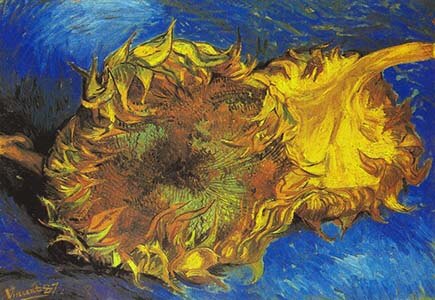
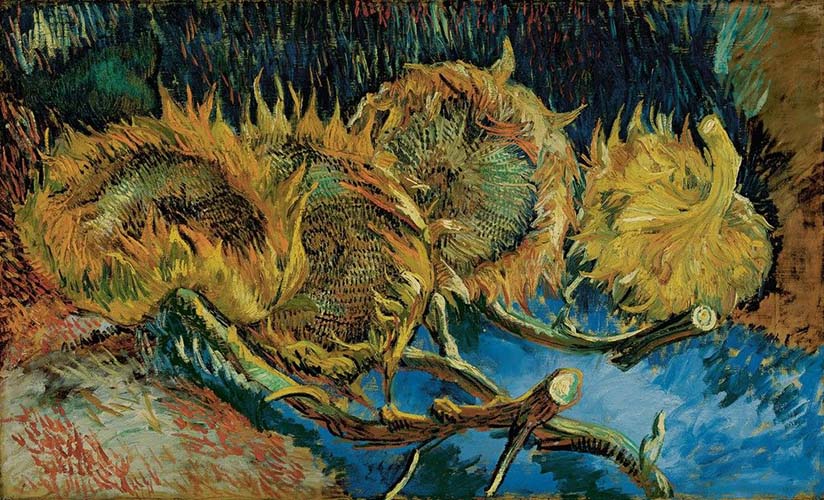
If Jeannin has the peony, Quost the hollyhock, I indeed, before others, have taken the sunflower.
Vincent van Gogh to Paul Gauguin, 21 January 1889

125,000 sunflowers in labyrinth for opening new entrance hall Van Gogh Museum
The largest labyrinth measures 7,000 m2 and covers almost half of the Museumplein.
2015 Sept 5-6
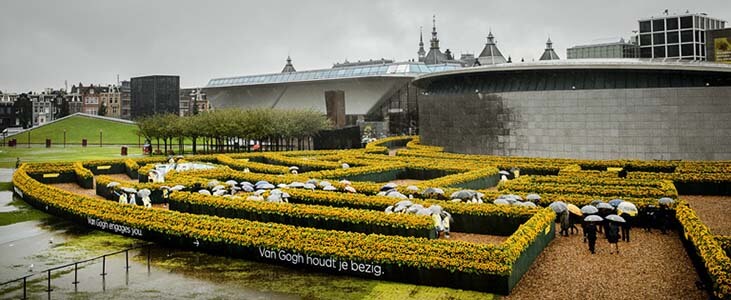
Unfortunately, this miracle could only be seen for two days – on the evening of the second day, every single thread was distributed among the visitors of the exhibition.
Van Gogh comes to life in Eagan field
The Minneapolis Institute of Art has commissioned crop artist and painter Stan Herd to replicate in 2015 when he was 64 Vincent van Gogh’s Olive Trees (1889) on 1.5 acres of farmland in Eagan, Minnesota, and the results were amazing.
Taking months to prepare, Herd planted a host of different crops—including watermelons, cantaloupes, squash and pumpkins—to replicate the colors in van Gogh’s famous painting. To achieve the correct texture and depth, the land artist rearranged rocks, mulch, and soil.
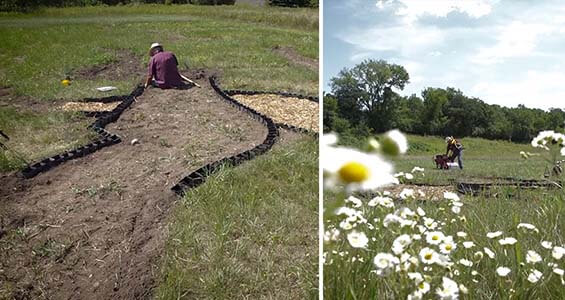
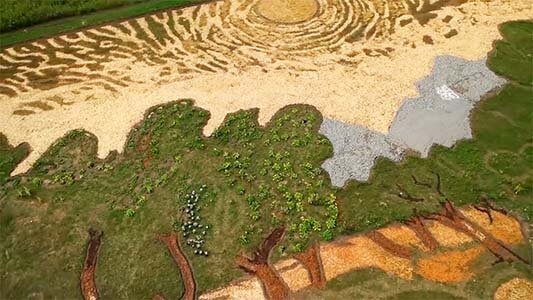
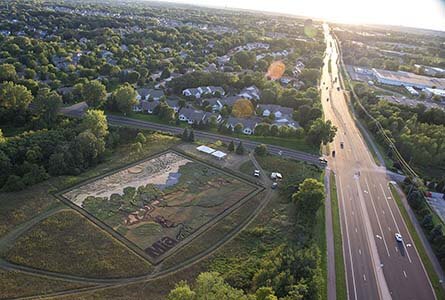
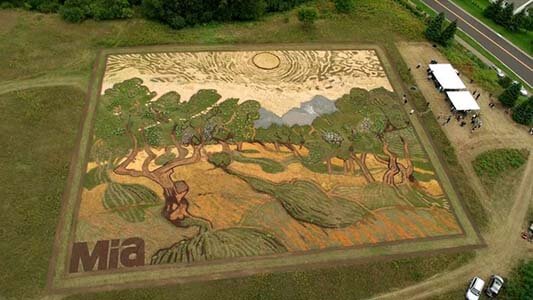
According to Vulture, the work is strategically positioned to give passengers traveling to Minneapolis’ St. Paul International Airport a bird’s eye view of the land art piece, a copy of the original masterpiece which hangs in the Minneapolis museum.
“I’ve always had a fascination with van Gogh. He was one of the artists whose stories I connected with really early,” Herd explained.
“The amazing thing about van Gogh’s painting is the there’s not a single straight line in the whole canvas. Everything is organic and curved and flowing, and it’s like a pulse,” the artist added. “I’m just amazed that after months of looking at one painting, that I continued to discover things in it. When I’m here I don’t see the ground and mulch and pots, I see the painting.”
Herd’s take on the masterpiece creates a whole new definition of post-Impressionism, and will surely delight travelers of all ages descending into Minneapolis.
Van Gogh’s original Olive Trees painting was part of a series of canvases he painted in Sait-Rémy-de-Provence, France.
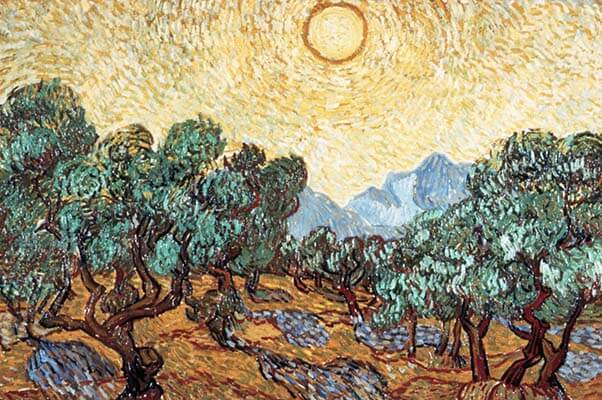
“I bit off a lot here, to try to pull this off,” Herd said. “A few of the plants were eaten by deer, and a few were blown over. But that’s the dance of nature.”
He has been working for 6 month on this project.
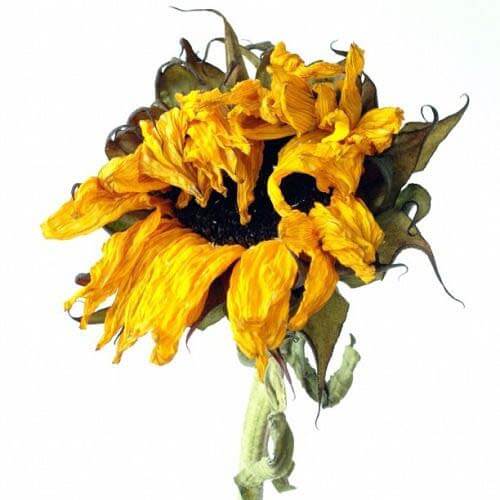
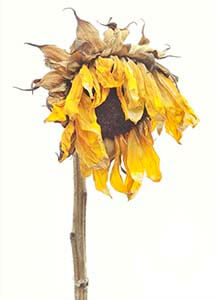
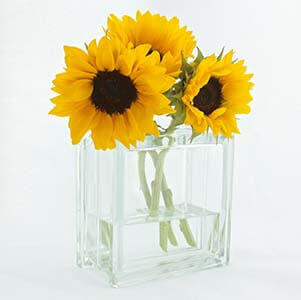
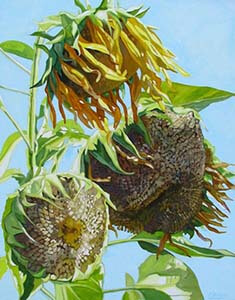
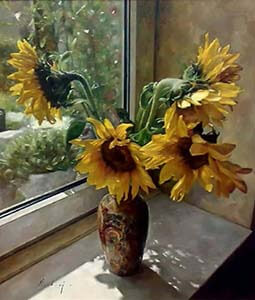

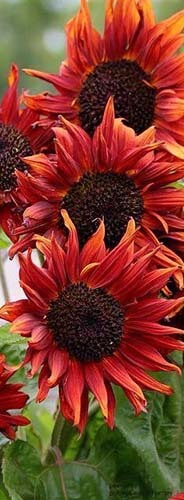
Red Sunflowers
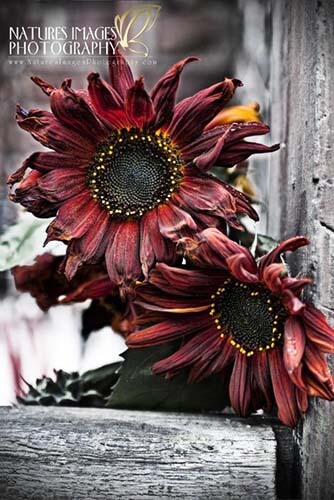
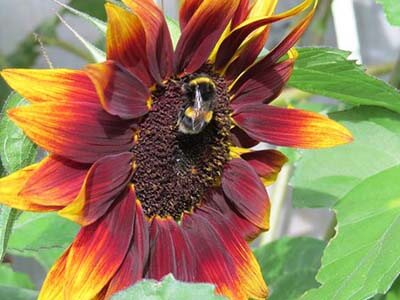
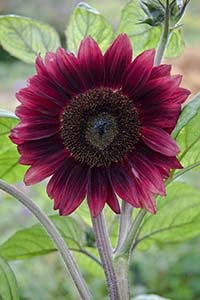
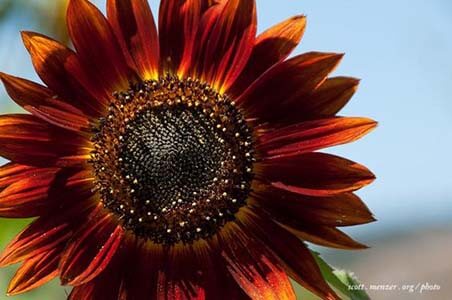
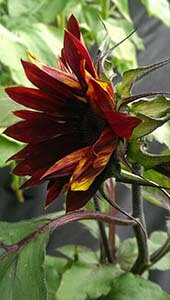
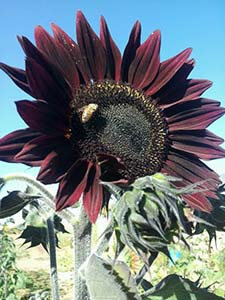
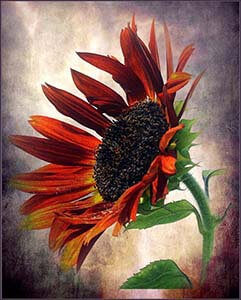
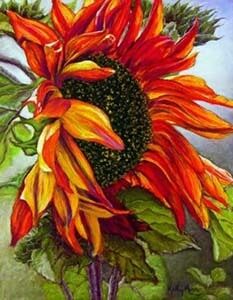

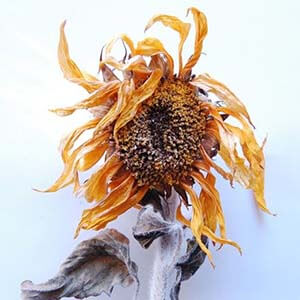
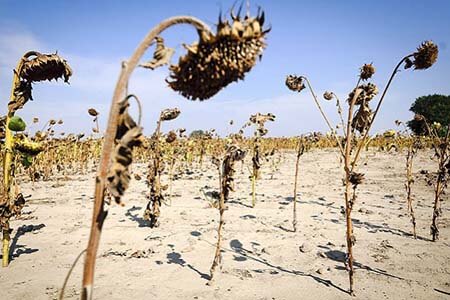
Autumn is around the corner it reminds me of passing away and I collected these WITHERING SUNFLOWERS
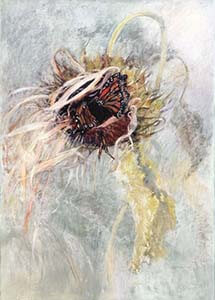
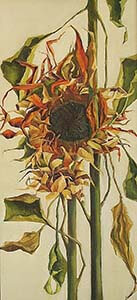
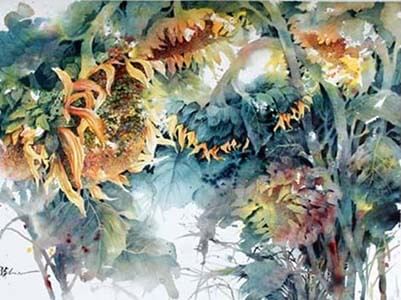
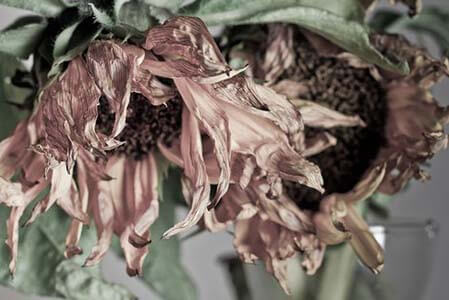
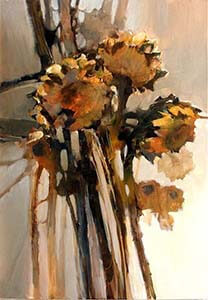
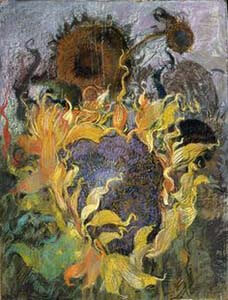
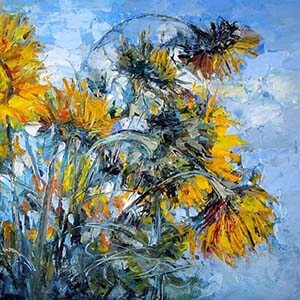
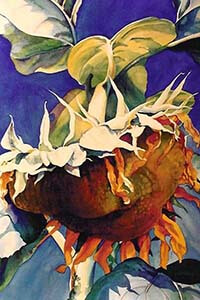
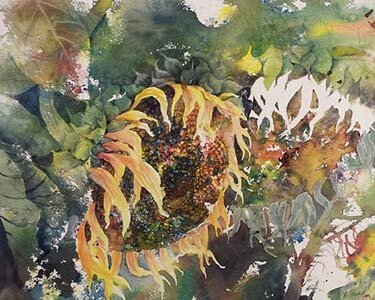
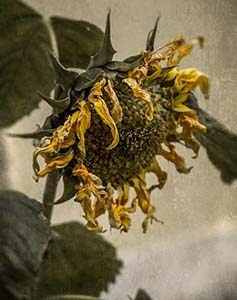
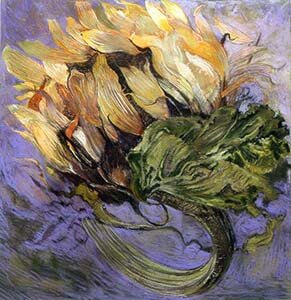
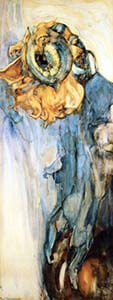
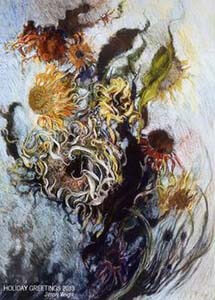
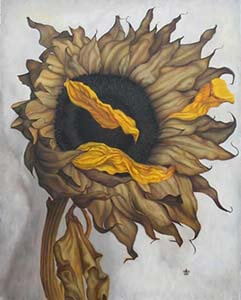
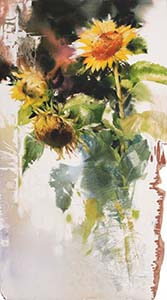
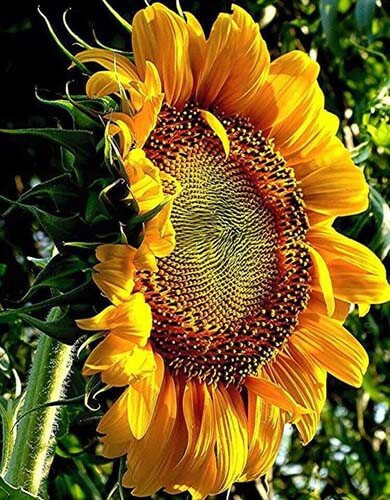
but here are some blooming ones
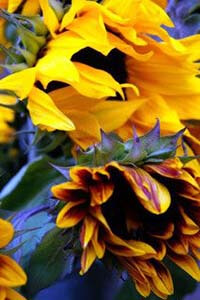
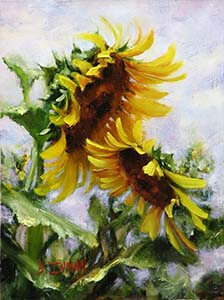
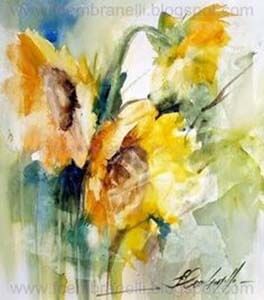
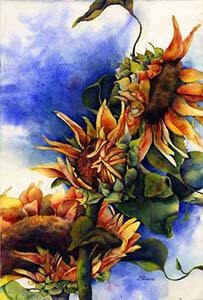
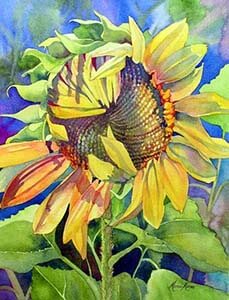
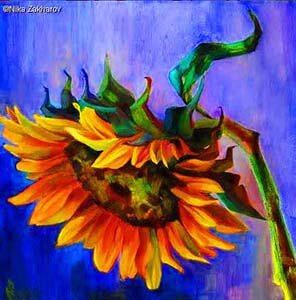
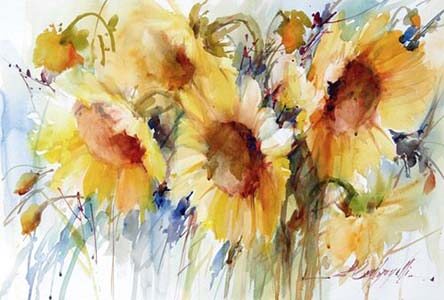
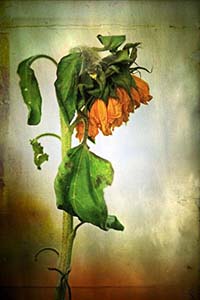
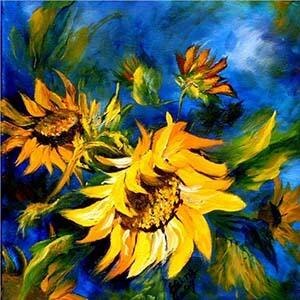
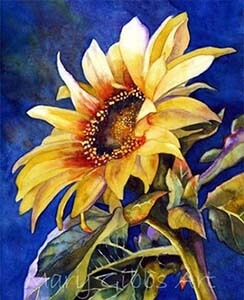
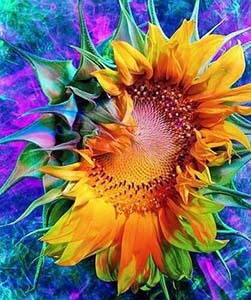
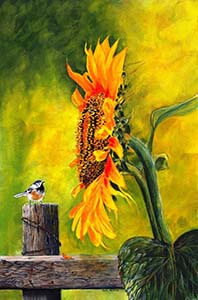
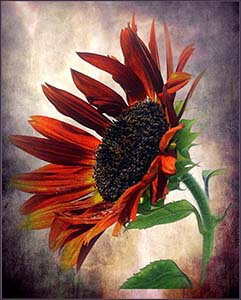
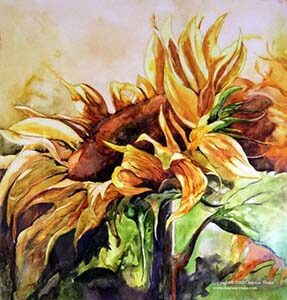
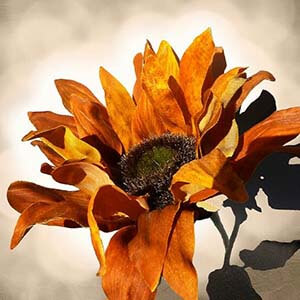
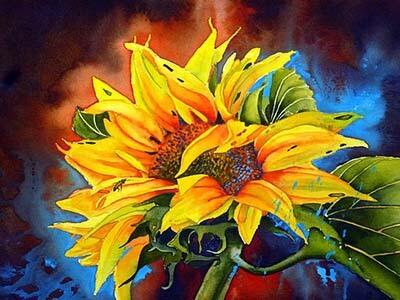
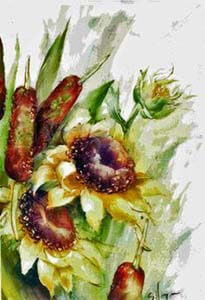
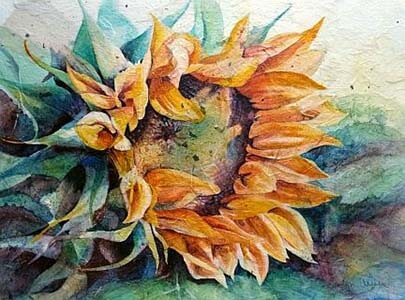
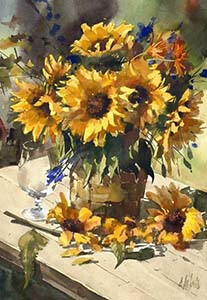
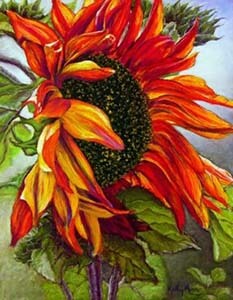
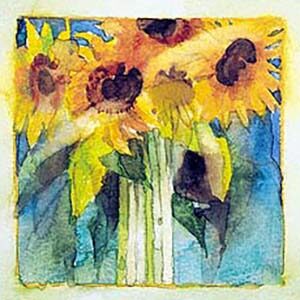
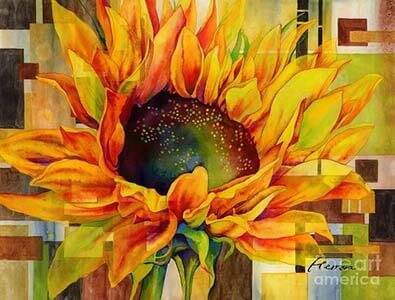
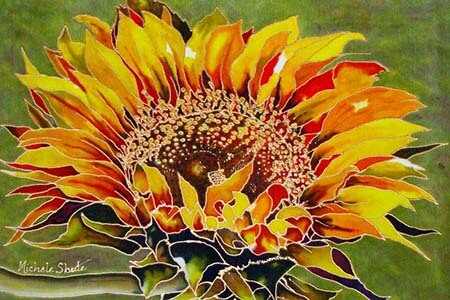
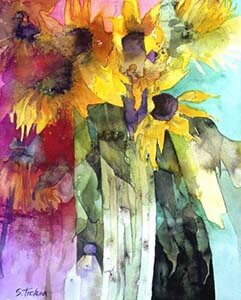
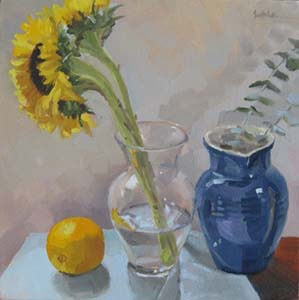
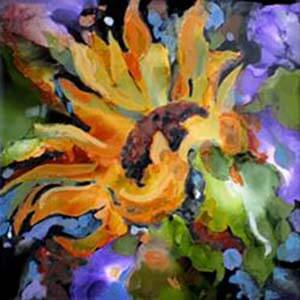
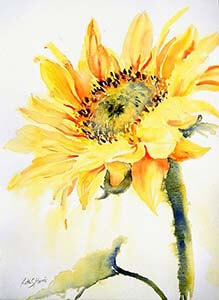

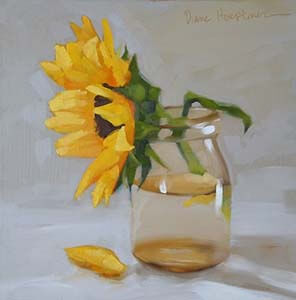
I’m collecting Sunflower pictures for years (more than 360) you can find here on pinterest
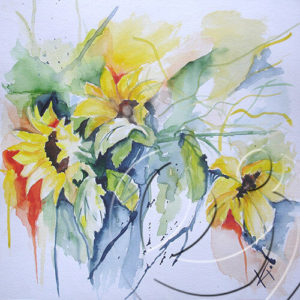
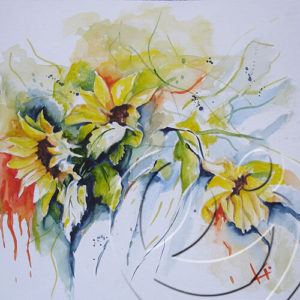
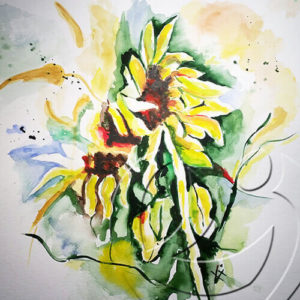
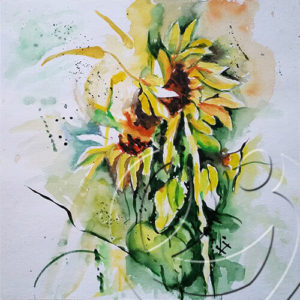
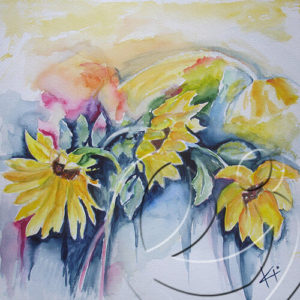
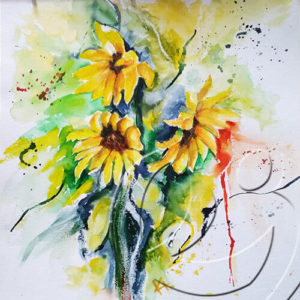
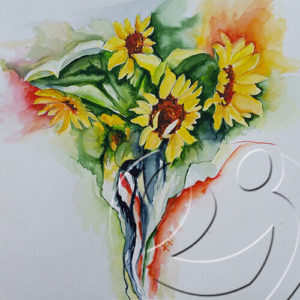
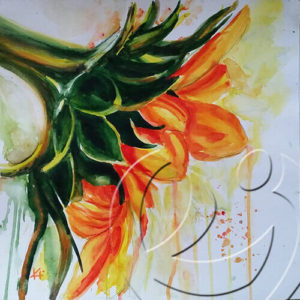
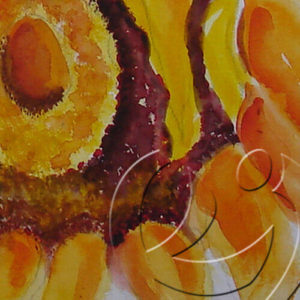
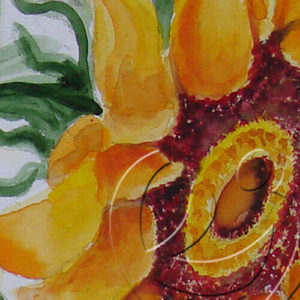
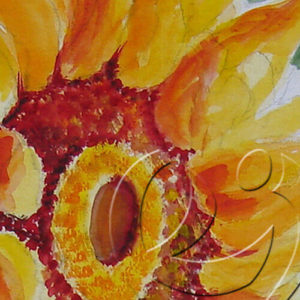
My aquarelle paintings
2012-2015
There are some of my paintings that are quite similar to each other, I put them next to each other. I had times when I insisted on my paintings and didn’t want to give them away, that’s why I painted them again for order. They are almost the same, thus proving that it is possible to create almost two identical images even with aquarell.
My close friend said that if someone wants to buy my painting that means he/she loves it and takes care of it. Just give them.
Thanks for her I’m happy if someone buy my painting. 🙂
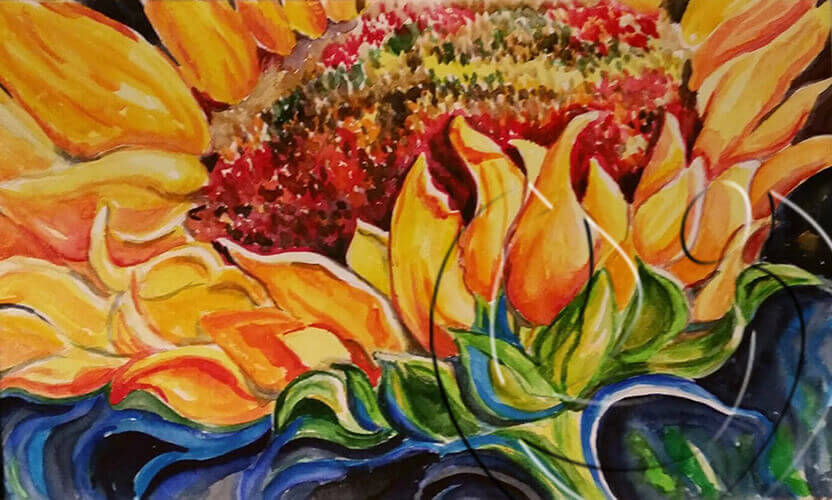
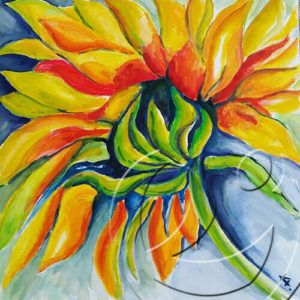
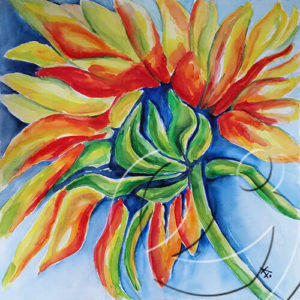
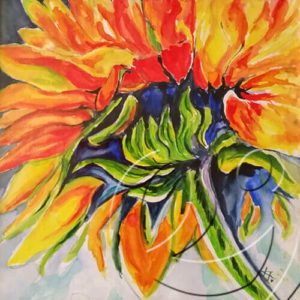
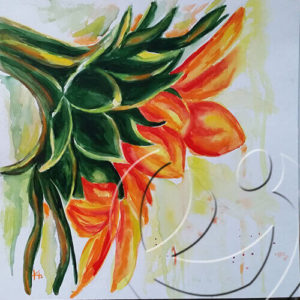
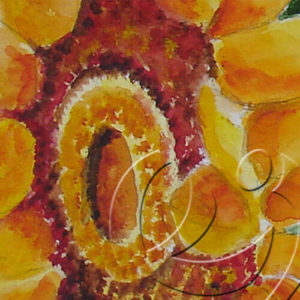
My early acryl sunflower paintings:
I started painting seriously in 2008, these pictures are the first ones made with acrylic paint on canvas.
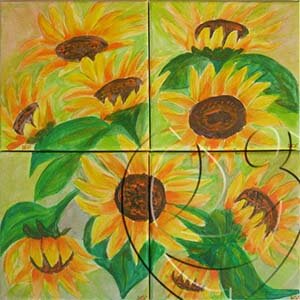
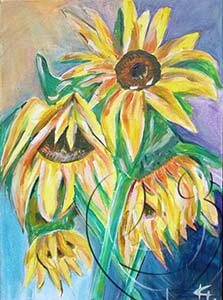
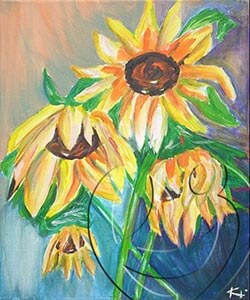
the first has 4 parts, there are 4 sweet owner and the second has sweet home since 2008 🙂
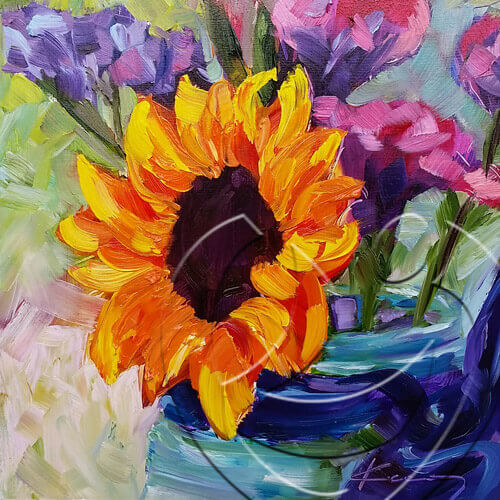
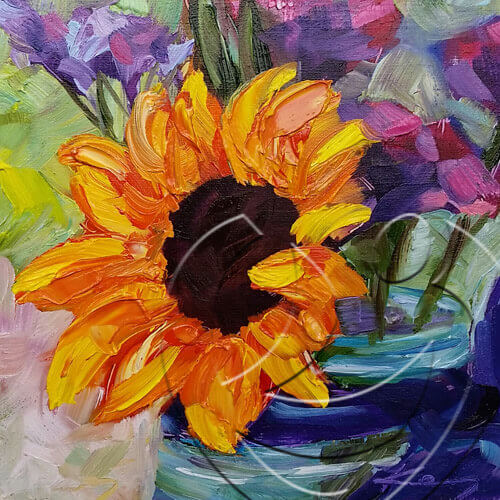
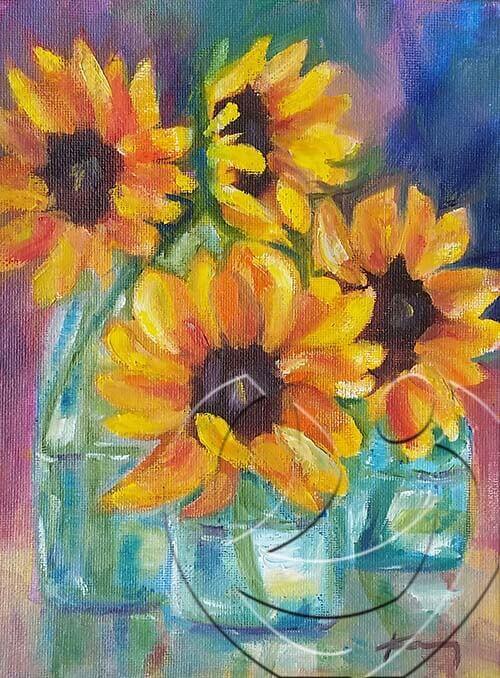
My paintings with oil:
I made the first painting in 2008, after 8 years break (as I didn’t like the smell of turpentine )
Others were made in 2016-17 on board and one on canvas.
This was my first oil painting with the help of a painter lady. I hated oil, I didn’t want to paint anymore with oil-
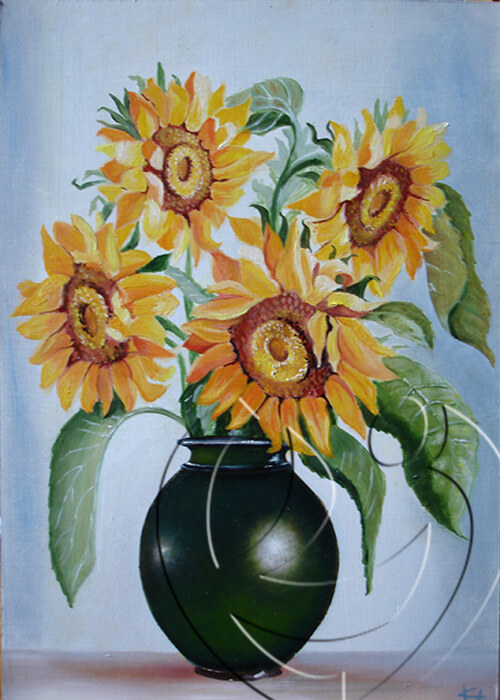
In 2016, I found an American painter, she used vibrant colours like me. really my world. When I saw her colors and the big brush strokes I know immediately that’s for anew chance for oil. Now I love oil again. Yeah, and there is an orange smell of turpentine, so there’s no excuse for stinking 🙂

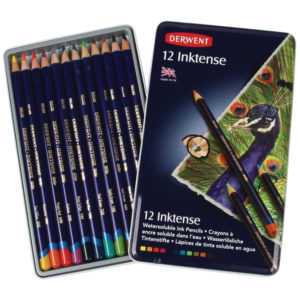
I wrote about Inktense pencil in the warming aquarell lesson (Derwent Inktense), here you can see again

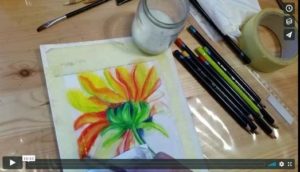
 ON SILK
In 2014 I made this video about it holding my phone in my left hand and drawing with the right 🙂 , whatch it just to see how easy.
Supply:
- silk (not the liner or lining material)
- Inktense pencil
- water+ dekupage glue
- creative mood
You draw the outline, color it and then go through wih the wet brush.
YOUTUBE
VIMEO
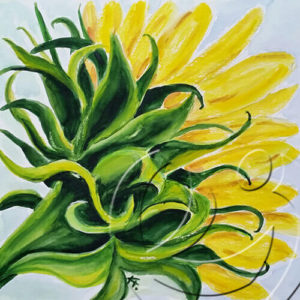
 SUNFLOWER BACK
Here is my favourite perspective from Sunflower. Love this (otherwise much easier paint the little green leaves instead of the front side 🙂
- 300 gr aquarelle paper
- aquarelle paint
- brush big and small
- water
this picture was the reference photo
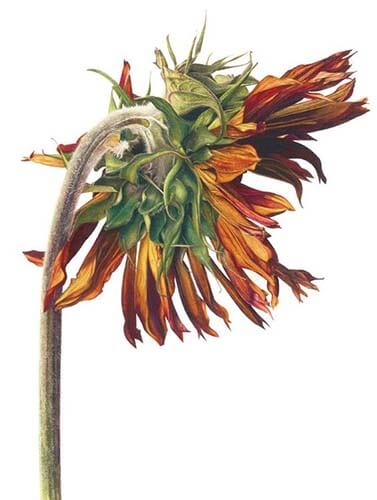
the ready painting

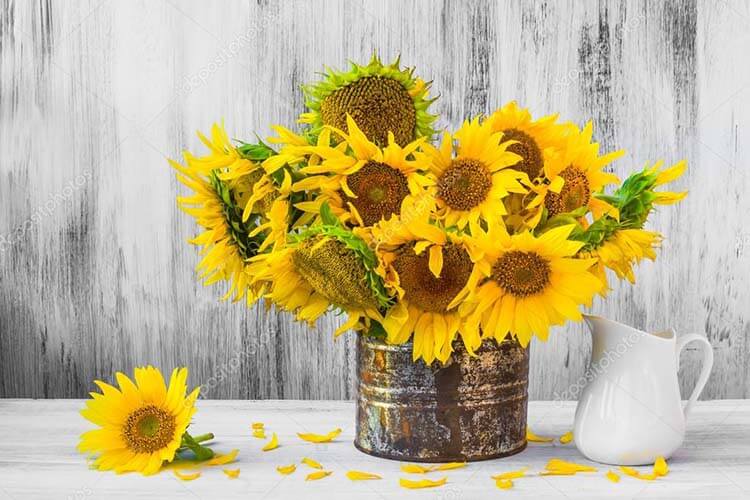
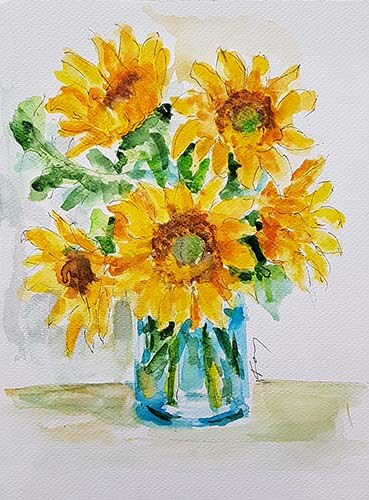
 SUNFLOWER BOUQUET
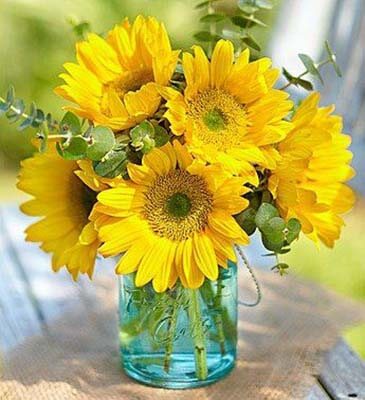
Quick and loose. the reference photo is just for the starting point, don’t exactly copy it, only use for sketch.
- 300 gr 18×24 aquarelle paper
- Pigma Micron permanent marker pen
- aquarelle paint
- brush big and small
- water
this is the reference photo
the ready painting
password: natureartlove
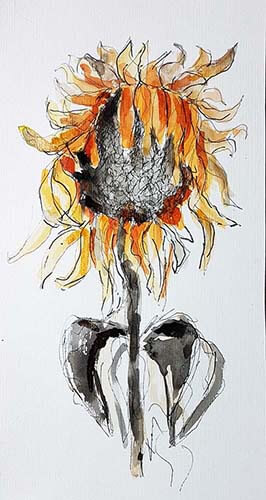
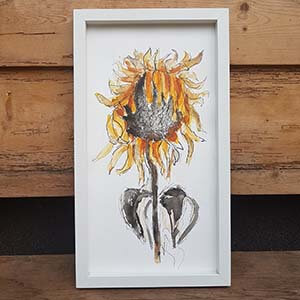
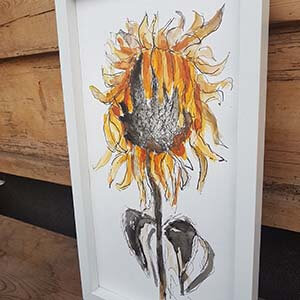
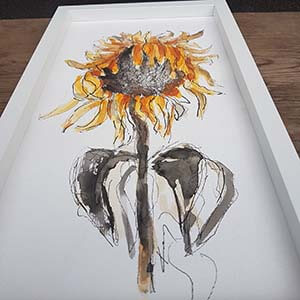
 WITHERED SUNFLOWER
Quick and loose. the reference photo is just for the starting point, don’t exactly copy it, only use for sketch.
- 300 gr 21X40 aquarelle paper
- permanent OR WATER-PROOFmarker pen
- aquarelle paintS: CADMIUM YELLOW, YELLOW-OCHRE, TRD-OCHTR, ORANGE, BURNT SIENNA
- ECOLINE- GOLD
- black calligraphy ink or black aquarelle
- brush big and small
- water
this is the reference photo
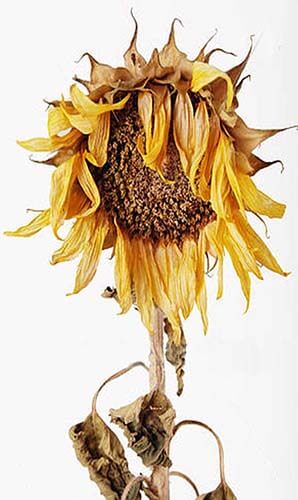
the ready painting
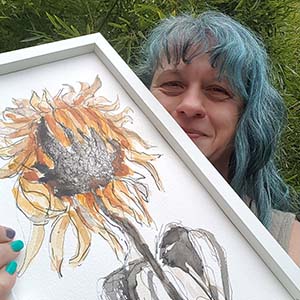
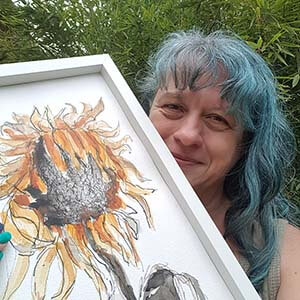
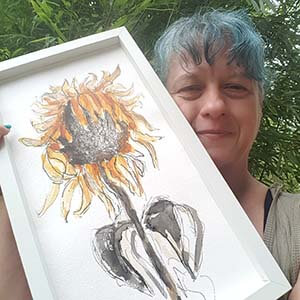
password: natureartlove
Thank you, thank you for your beautiful paintings, and your heartwarming comments!
They means a lot to me, fill my heart, rainbow in my everydays and give power to continue!
Big big hug
Wish to be closer to meet you in person!
love
xxx
I would be very happy to see your painting will you upload them to the fb group?
and to the instagram with this hashtag: #natureartwithildy #natureartsummer – hashtag your work from the course and follow hashtag to see what other students are creating! Follow me on Insta HERE. Happy creating!
Thank you for continuing with me for the next 3 months


LIVE: 1st March – 31st MAY
LIVE: 1st June – 31st August

LIVE: 1st Sept – 31st Nov
LIVE: 1st Jan – 31 Febr