
Wonderful friends,
Thank you for your wonderful paintings and comments!
This week’s theme is LAVENDER or LEVANDER. Not sure which is common every site write differently.
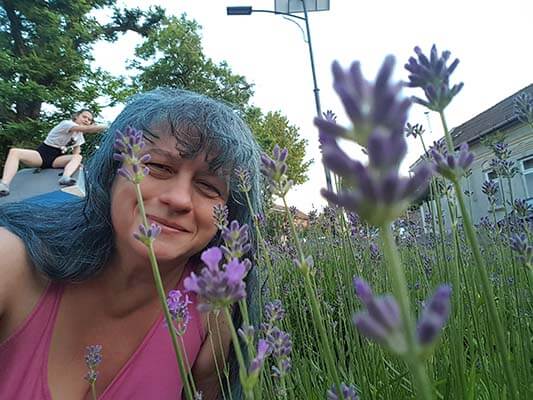 I was waiting for this beautiful fragrant flower to bloom!
Very interesting that when I was young I didn’t like its smell. You know why? I know now. When I was young the old grandmas used to discourage the moth from the wardrobe. Their smell was different but my brain associated that smell to lavender. Or maybe I’m old now to love it.
Not far from our house about 3 corners 300 meters there is a square with a kid climbing playground. Around that there is plenty of laventer plant. Started to bloom last week.
This little crazy baby is my middle daughter on the back 🙂
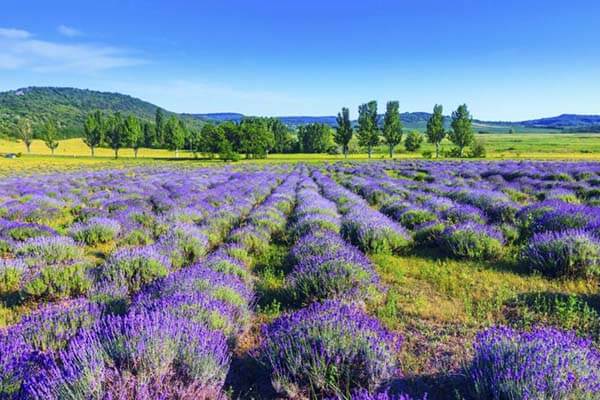
My Mom brought me from Tihany (at lake Balaton) 6 flower plant – there are a big ancient lavender field. They were small but I planted and this is the third years they blooms a very beautiful dark lila flowers.
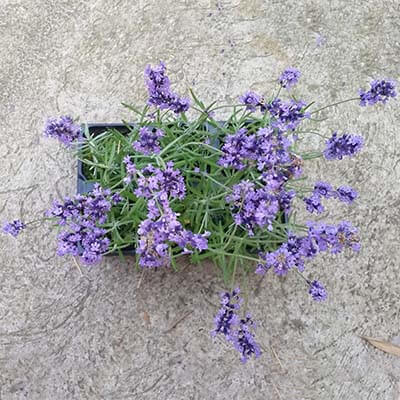
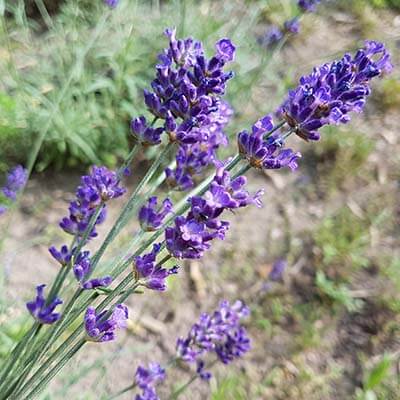
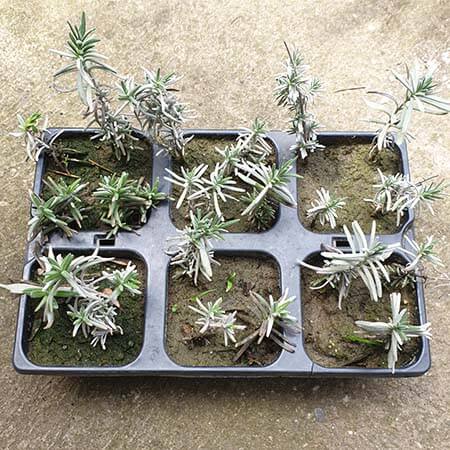
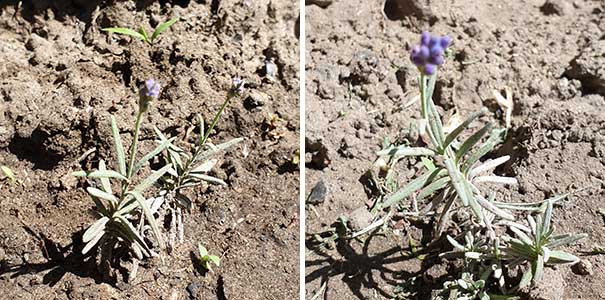
Now it is bigger bush, I cut them back at the end of March and I dig into sand those parts I cut off and now they have little new leaves on it.
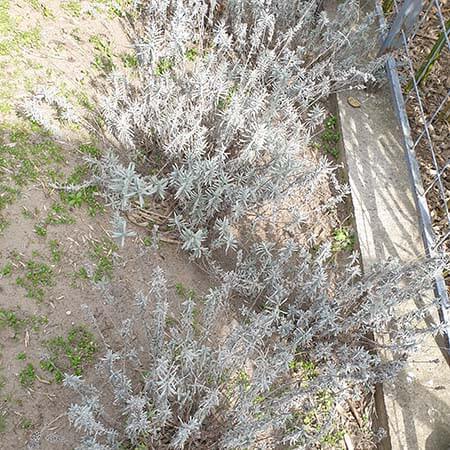
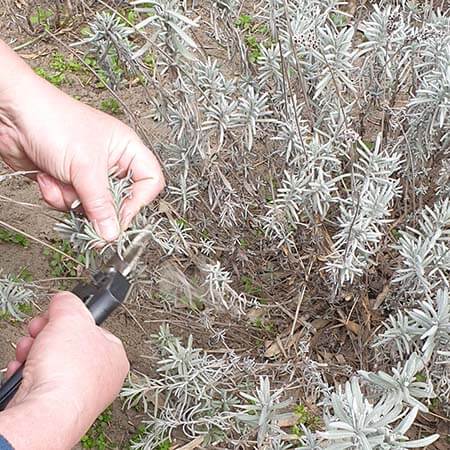
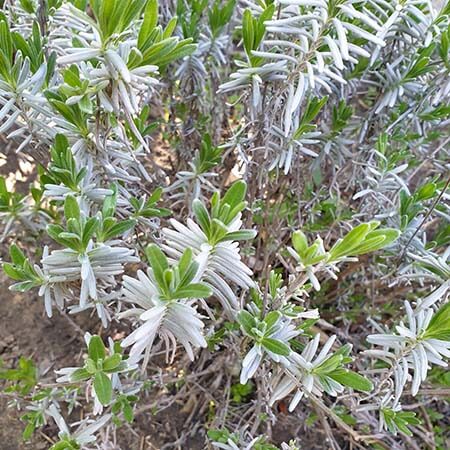
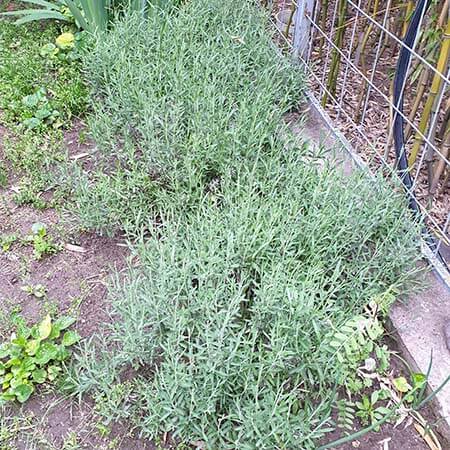
SPRING PRUNNING of the LAVENDER
We are in the last week of February.
It is time to cut our levander
Start from the side and try to make a half ball.
It is important not to cut too close to the base of the plant because you may cut all the buds and your plant can die.
Spring prouning is necessary for the plants to bloom profusely .we can propagate the plant with we cut from them
Lavender seeds can also be saved out and planted in the spring
The flower garlands contain the seed, sow the tiny seeds into pots.Put farmland in it and ram the soil before sowing.
Spread the seeds evenly.
If we take the seeds in a store, they need to be put in the freezer for 1-2 days because they need to be exposed to cold. otherwise it will not germinate.
Our seeds have been out all winter. The seeds of lavender are germinate in light, should therefore not be placed deep in the ground. Sprinkle gently with a mixture of compost and sand. If you have a greenhouse, put it there or take them into the house. Wrap with a sheet of glass or foil so that they are constantly wet until it germinates.
Can be propagated by cutting.
This is what I made 🙂
Select the stronger shoots and make a cuttings from it. Use granular sand, which is used for plastering because no pests remain in it.
Press the sand thoroughly. Squeeze the wet sand thoroughly. The smaller the cuttings, the easier it is to bring its roots.
Cut a 10-15 cm piece and take off the bottom leaves.
Dip it into rooting powder but if you don’t have it then cinnamon is also perfect. I didn’t use anything.
Cinnamon disinfects.
Need a piece of wood. The end of a larger used brush is also perfect.
Make a hole in the sand and insert the cuttings into it.
Keep a distance of 3-5 cm between them.
Sprinkle with water.
It takes about 6 weeks to get roots and can be planted out to normal soil.
I cut them 25th March and the last photot is 22 May I will plant them our soon.
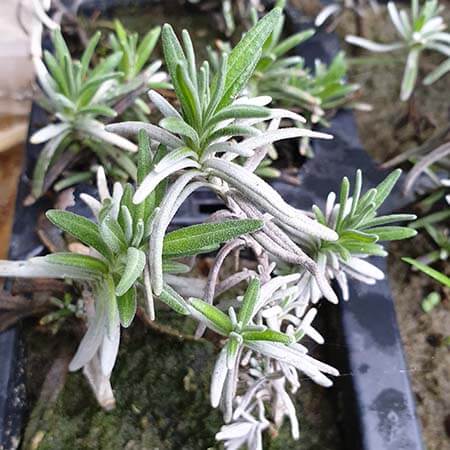
Year by year they grow bigger and I made bouquets from them (these photos were made on 2nd July 2021)
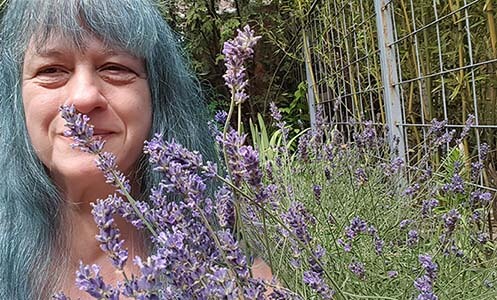
This is from June 2022.this year the flowers are darker lila and bigger than last year.
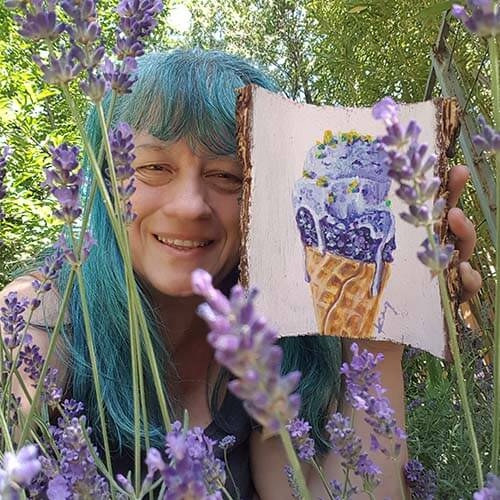
and look at my little pruined ones in June has mini flower on them they are only 5 cm big and with little flowers on them. I can say it is a success 🙂
4 yeras ago late August we went to a hockey match (my son is a goalie) and in front of the hockey rink there were big old plants and I just followed some bees and tried to make photos of them. It was fun!
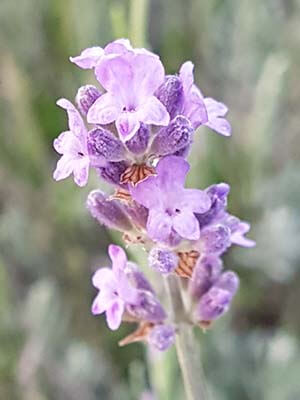
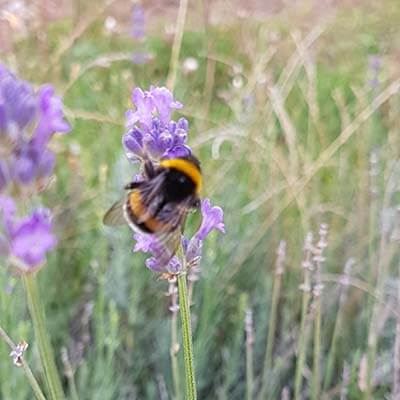
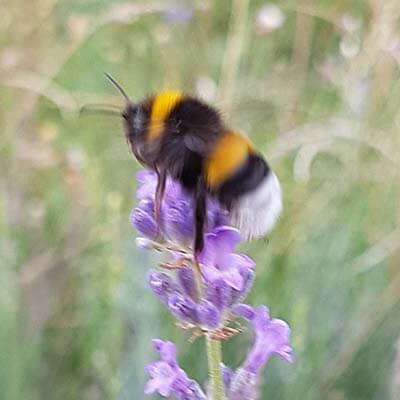
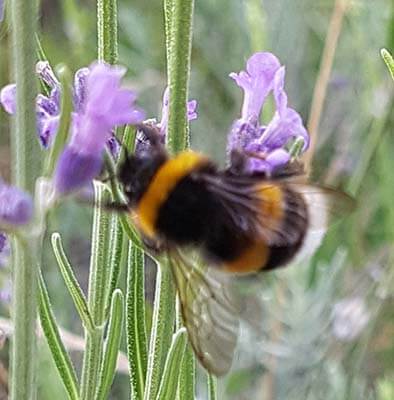
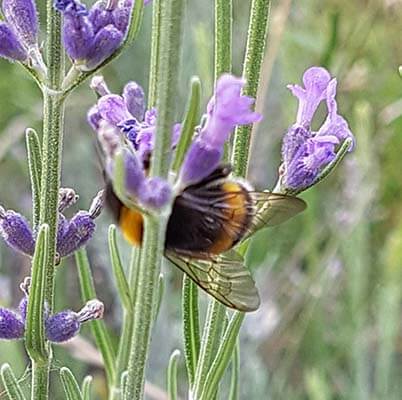
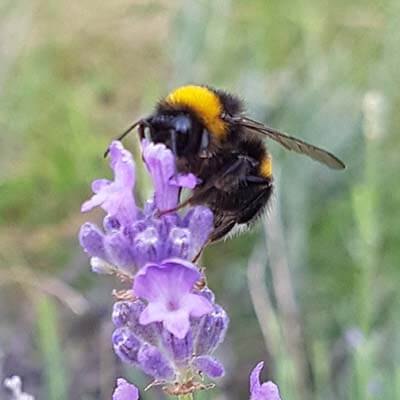
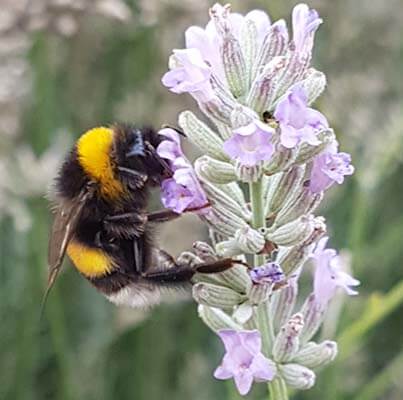
You can use these photos as a reference too

Lavandula (common name lavender) is a genus of 47 known species of flowering plants in the mint family,
Not only does lavender smell and look beautiful, but it’s therapeutic, too! Lavender flowers are comprised of multiple purple florets on long narrow stems, spiking above the foliage. If you’ve ever looked out over a lavender field, you know the hypnotizing elegance that these types of flowers have. But aside from the beauty that the purple blossoms bring, did you know that lavender also has a multitude of uses? It’s true! Read on to learn all about lavender, from it’s history to facts!
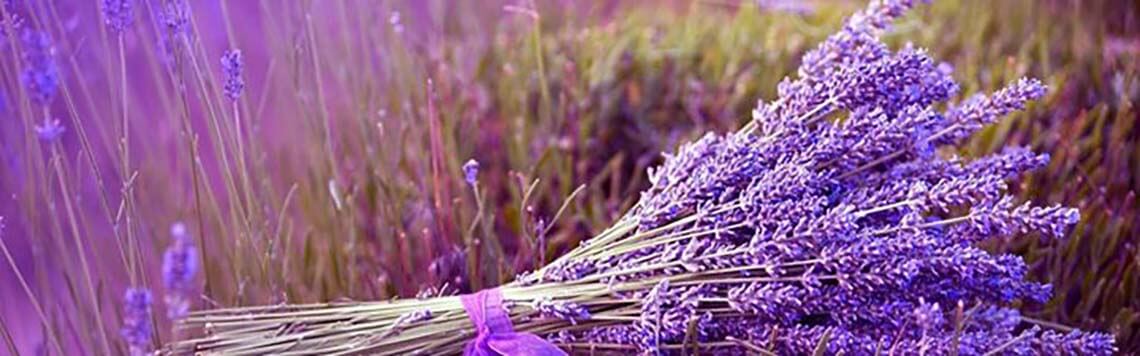
Description
Lavender is a hardy perennial in the Lamiaciae, or mint, family. The herb is a Mediterranean native. There are many species of lavendula which vary somewhat in appearance and aromatic quality. English lavender, L. augustifolia, also known as true lavender, is commercially valuable in the perfume industry and is a mainstay of English country gardens. French lavender, L.stoechas, is the species most probably used in Roman times as a scenting agent in washing water . The species L. officinalis is the official species used in medicinal preparations, though all lavenders have medicinal properties in varying degrees.
This fragrant, bushy shrub has been widely cultivated for its essential oil. The tiny, tubular, mauve-blue blossoms grow in whorls of six to ten flowers along square, angular stems and form a terminal spike. These flower spikes stretch upward beyond the 12-18 inch (3.6-5.4 m) height of the shrub, blooming from June to August. The blossoms are well liked by bees and a good source of honey. The needle-like, evergreen, downy leaves are a light, silver-gray. They are lanceolate, opposite, and sessile, and grow from a branched stem. The bark is gray and flaky. The herb thrives in full sun and poor soil. Ancient Greeks and Romans used lavender blossoms to scent bath water, a common use that gave the herb its name, derived from the Latin lavare, meaning to wash.

The History of Lavender
Lavender is native to the Mediterranean region, the Arabian Peninsula and Russia. It is grown in Europe, the United States and Australia, where many members of the genus are cultivated extensively in temperate climates for their uses in gardens and landscapes, as culinary herbs or for the extraction of essential oils. Lavender comes with a long history of being used to treat gastrointestinal problems, anxiety and to boost appetite and mood.
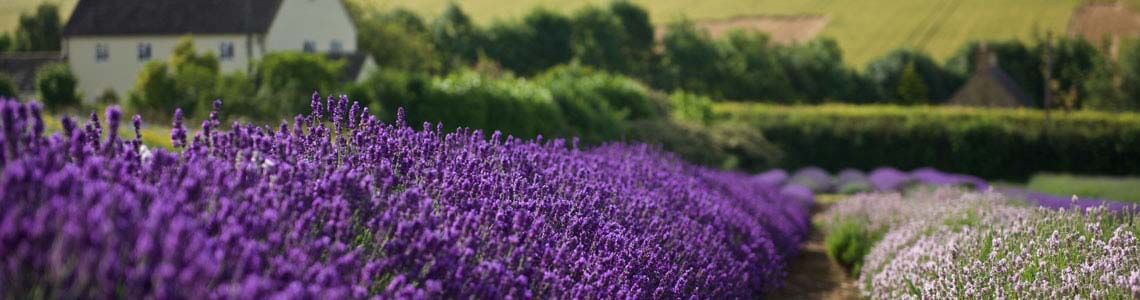
Lavender Meaning
Lavender flowers are known to represent purity, silence, devotion serenity, grace and calmness. In addition to the flower’s significance, its purple color also comes with great symbolism. Purple is the color of royalty and speaks of elegance, refinement and luxury. The color purple is also associated with the crown chakra, which is the energy center associated with higher purpose and spiritual connectivity.
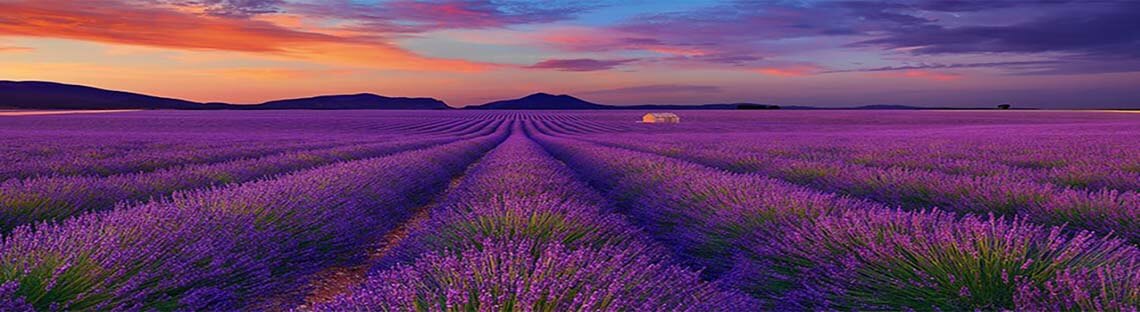
Types of Lavender
If you’re looking to add an aromatic aspect to your garden, consider one of these species of lavender:
- English lavender
- Hidcote English lavender
- Munstead English lavender
- Grosso lavender
- Provence lavender
- French lavender
English lavender is the most famous and familiar type of lavender and is native of the Mediterranean region, but is now primarily grown in England because of the country’s climate. It grows roughly two to three feet tall and is a favorite culinary lavender. The deep purple blossoms and tidy height of Hidcote English lavender are a great choice for edging walkways or garden beds. Munstead English lavender fares well in the heat, over other types of lavender. Gross lavender is known for its intensely perfumed blooms and is commonly used in essential oils. Provence lavender comes from Provence, France, and is used for decor in wreaths and wands. Finally, French lavender blooms in regions with mild winters, producing blossoms for sachets and potpourri.
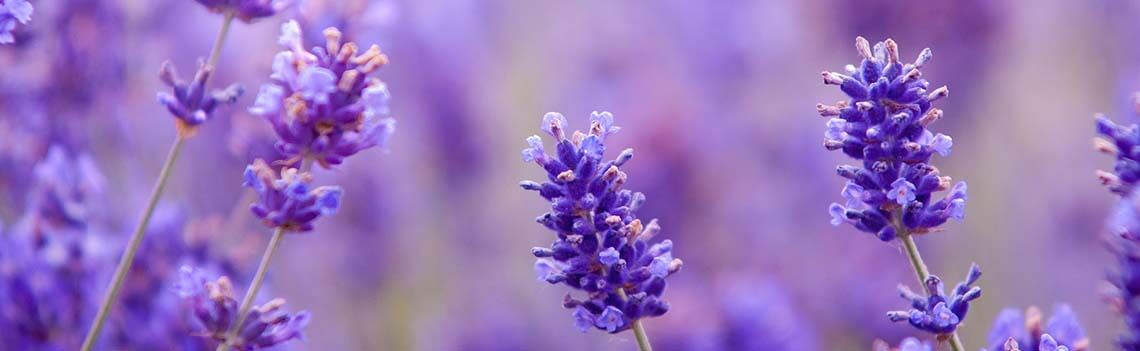
How to Care for Lavender Gardens
While growing lavender comes with many added benefits, you’ll want to make sure that you are properly caring for these delicate flowers. It isn’t as easy as it looks! Here are some helpful tips on how to grow lavender.
- Plant your lavender in full sun with well drained soil. If you’re using heavy soils, be sure to add some organic matter to help your plants thrive.
- When it comes to watering these flowers, give them deep and thorough waterings, but not too frequently. Only water them when the soil is almost dry.
- Early spring or at harvest time in October are the ideal times to prune your plants. For low growing varieties, trim back the foliage one to two inches. If the plants grow over three to four feet, cut them back by a third to avoid them getting overly woody. Woody plants should be opened in the center with the oldest branches removed.
- If you’re looking to harvest your flowers for sachets and potpourri, cut the flower spikes from the stems as soon as the blossoms show color and store them in a cool, dry place until you’re ready to use them.

Lavender (Scientific Name: Lavandula) is one of the most fragrant and highly versatile herbs that you can grow. As you may already know, lavender is used in essential oils, perfumes, in aromatherapy, in traditional herbal medicine and in the kitchen as a culinary herb. Here are some other interesting facts about lavender that you may not know:
- The name Lavender comes from the Latin verb, “lavare,” which means to wash
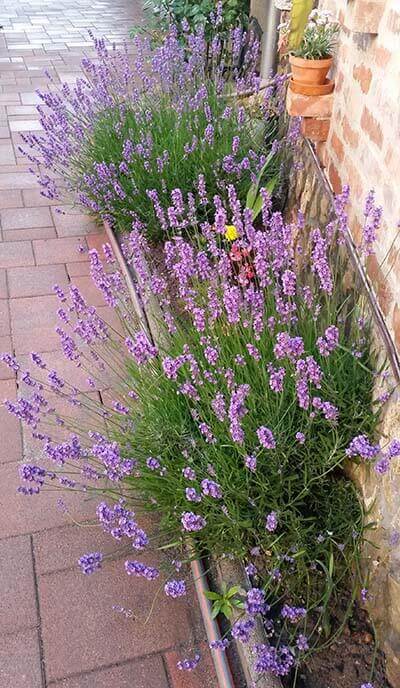
- Lavender comes from the same family as mint
- Over 2500 years ago, lavender was used in ancient Egypt during the mummification process
- Back in the Elizabethan times, when baths weren’t common practice, lavender was used to perfume clothes and bed linen
- The scent of lavender deters mice, flies, mosquitoes and other pests from the area
- Lavender oil can be used to soothe aching muscles and joints, reduce anxiety and stress, and to induce sleep
- It is a commonly used ingredient in potpourri
- Nectar from lavender plants are used to make high quality honey
- In the language of flowers, lavender can mean devotion, luck, success, happiness or distrust
- Lavender plants don’t produce seeds; propagation is done by cutting or root divisions
- Most lavender plants are blue or purple, but there are some varieties that come in pink and yellow
- Even though lavender is a common herb, most people don’t know that it’s been used to cure ailments for centuries, protecting
 us from everything from the occasional headache to the plague.
 - Lavender may have been introduced to Britain by the Romans, and was used medicinally in the Middle Ages.
- By the 16th century, lavender was being used all over England to help scent laundry and toilets. It was also thought to ward off bedbugs, and was routinely sewn into sheets.
- During the Black Plague, which hit London in the 16th century, lavender oil and alcohol were taken as a way to ward off the disease. Bunches of lavender were sold in the streets in an attempt to ease the smell of the dead and dying.
- Lavender essential oil was used in hospitals during WWI.
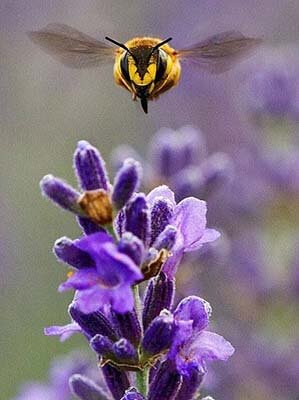
- Bees love lavender, and it’s a good source of honey.
- Lavender has been used as a headache remedy for centuries. Try a few drops of the essential oil on a sugar cube.
- Lavender essential oil is said to have calming, sedative effects.
- When taken internally, lavender has been known to help treat indigestion and gas.
- To add natural fragrance to your carpet, drop dried lavender buds down before using the vacuum.

Lavender Uses & Benefits
Lavender has been valued for centuries for its physical beauty, soothing fragrance and healing properties. Here are some of the ways you can use lavender to your benefit.
- Dried Lavender Tea– Tea can be made from lavender leaves, which has been said to help relieve insomnia. Since there are calming components to this relaxing tea, drinking it before bedtime can help alleviate stress, anxiety and depression and help you doze off into a peaceful slumber. Lavender tea is also used to treat gastrointestinal issues, including digestive problems and a nervous stomach.
- Essential Lavender Oil Benefits – Lavender is the most used essential oil in the world due to its medicinal benefits and pleasant aroma. Lavender’s familiar scent is a combination of notes that are fresh, floral, clean and calm. It has been said that continuous use of lavender oil provides antioxidant protection, helps balance blood sugar, heals cuts and burns, improves acne and alleviates headaches. And the healing properties don’t stop there! Dabbing essential lavender oil on your temples is said to alleviate symptoms of tension headaches and migraines. Since there is a significant calming property associated with this oil, it is commonly used in relaxing massages and in skin care and bath products as well. In fact, the name lavender comes from the Latin root “lavare,” which means “to wash.” It is also used as an alternative to perfume and room fresheners, since it’s non-toxic and provides a calming effect.
- Lavender Lotion not only moisturizes your skin, but also provides a calming affect from the scent. If you don’t know what to get a friend, coworker, or family member, lavender lotion is a great gifting option for him or her.
- Cooking with Lavender in the Kitchen– Culinary lavender is a versatile herb. Since this flower is part of the mint family, it adds freshness to any recipe. It’s floral and slightly sweet flavor makes it a widely adaptable addition to your kitchen creations. Add lavender flowers to salads or meat dishes for a burst of color and for a beautiful presentation when serving your food. Lavender cocktails like lavender lemonade mimosas are also really popular, and delicious!
- Lavender Potpourri, Spray and Scented Candles are another great way to add the scent of lavender to any room or space. Lavender potpourri is great for freshening your drawers to keep clothes smelling lovely. Lavender candles and sprays don’t only work well for the bathroom, but for any room to help add some zen.
Be mindful that most of the “lavender oil” out there is synthetic fragrance (aka phthalates) diluted in a chemical solvent and is NOT safe for internal consumption. It’s perfectly legal for that to be labeled “100% pure therapeutic natural blah blah blah essential oil” in the US, despite having never come from a plant and not being “natural” at all. Always do your research and be absolutely certain that the oils you’re using are legit and labeled for internal consumption before you ingest them!
LAVENDER FOR BEAUTY
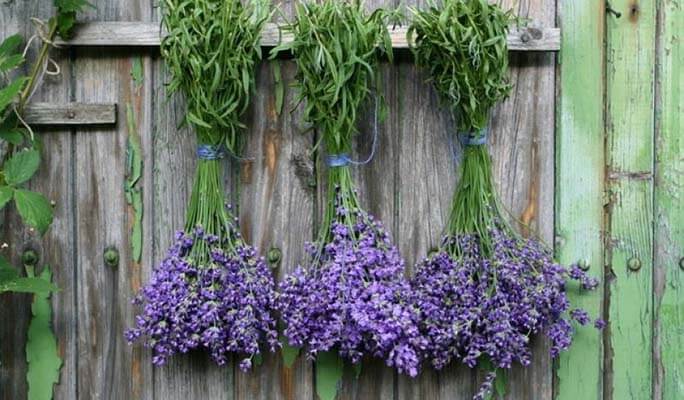
Some of these projects require dried lavender. To dry flowers and herbs, I usually just spread them out in single layers on paper towels or clean dish towels and let them air dry for several days. You could also tie your lavender in small bundles and hang them up until dry.
 Lavender Infused Oil
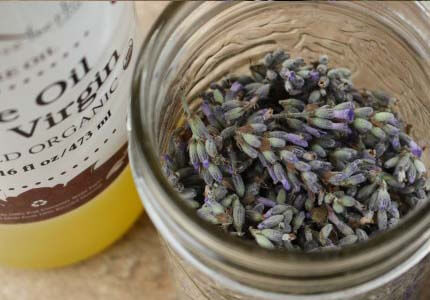
This lavender infused oil can be massaged onto restless legs, dabbed on itchy bug bites, rubbed into flaky scalps and used as an ingredient in recipes for salves, lotions, creams, soaps and such. Shelf life of strained, infused oil is around 9 months to a year.
To make it, fill a canning jar about half-way up with dried lavender flowers. Cover with about twice as much as your favorite carrier oil, or to the top of the jar. (Suggested oils include sunflower, olive, sweet almond, apricot kernel, avocado, hemp and so forth.)
For a quick infusion: Set the uncovered jar down into a small saucepan filled with a few inches of water. Heat over a low burner for a few hours, keeping a close eye that the water doesn’t evaporate out. Remove from heat and strain.
For a slower, more traditional infusion: Cap the jar of lavender and oil and tuck away in a cabinet for around 4 to 6 weeks, shaking occasionally as you remember to. When the infusing time has passed, strain.
For a third option: You could also set the jar of flowers and oil in a sunny windowsill for several days to a week to jump start the infusion. (Don’t store for long periods in sunlight though, as it tends to fade flowers and herbs over time.)
 Lavender Salve
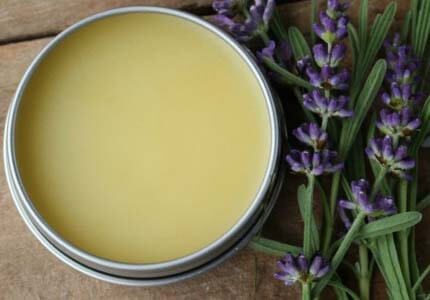
This recipe uses the infused oil we made above. It’s great for rubbing on restless legs, tired muscles, and to massage on the temples and back of the neck when you have a headache. It’s also skin conditioning so will help any little dry skin spots you might have.
Ingredients needed:
- 3.5 oz (100 g) of lavender infused oil
- 0.5 (15 g) beeswax in a heatproof jar or empty tin can.
(For a vegan option – try using roughly half as much candelilla wax instead of beeswax.)
How to make lavender salve:
Set the jar/can down into a saucepan containing an inch or two of water. Place the pan over a medium-low burner and heat until the wax is fully melted. Add a few drops of lavender essential oil (optional) and pour into tins or jars.
Shelf life of homemade salves run around 9 months to 1 year.
 Lavender Lotion Bars
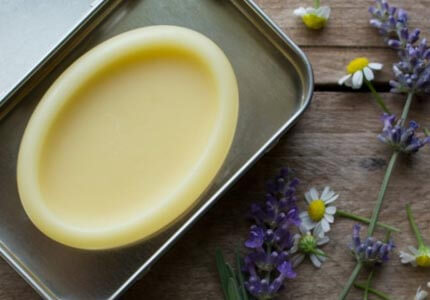
Lotion bars are the best thing ever for dry, cracked skin. They’re easy to throw together and make wonderful gifts too!
I usually make lotion bars with equal parts of oil, butter and beeswax measured by volume, but have also included the corresponding weights in grams, for those who prefer to use a scale.
Ingredients needed:
- 1/4 cup (52 g) lavender infused oil
- 1/4 cup (28 g) beeswax
- 1/4 cup (44 g) shea, mango or cocoa butter
How to make lavender lotion bars:
Combine the ingredients in a heatproof canning jar or upcycled tin can. (For a vegan version, use roughly half as much candelilla wax instead of beeswax.) Set the jar/can down into a saucepan containing an inch or two of water. Place the pan over a medium-low burner and heat until everything is melted. Add a few drops of lavender essential oil and pour into heatproof silicone molds.This recipe will fill 3.5 of the cavities.)
To use, rub a lotion bar over your skin wherever it feels dry. They’re especially helpful for spot treating rough feet, knees and elbows. Store your lotion bars in a cool area, out of direct sunlight and they should have a shelf life of around 9 months to a year.
 Lavender Face Cream with Lilacs & Violets
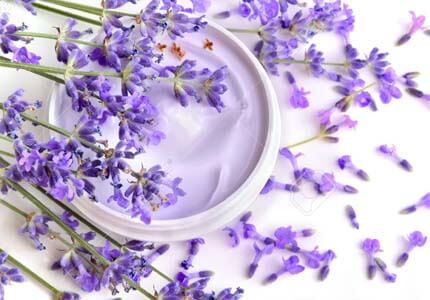
This lavender face cream is thick and rich, making it perfect for dry or mature skin.
The ingredients needed:
- dried or fresh violets, lilacs and/or lavender
- distilled water
- 2.5 ounces sweet almond oil
- 0.5 ounce jojoba oil (a bit over a tablespoon)
- 1.5 ounces mango butter (or shea butter)
- 0.5 ounce beeswax pastilles
- 2 tablespoons stearic acid (natural thickening agent)
- lavender essential oil
- preservative
 Whipped Lavender Hand Cream & Body Butter
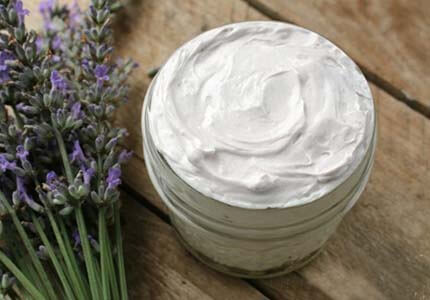
This luxurious hand and body butter is made with lavender infused oil and shea butter. The pretty natural color comes from adding a pinch of purple Brazilian clay.
Ingredients needed:
- 7 oz (198 g) shea butter (Bramble Berry’s works excellent in this recipe)
- 2 1/2 oz (70 g) lavender infused sunflower oil (directions in #1 above)
- 2 1/2 tsp arrowroot powder
- 1/2 tsp purple Brazilian clay
- 30 drops lavender essential oil
- a few drops of ylang ylang or litsea essential oil (optional)
 Lavender Honey Hand Scrub
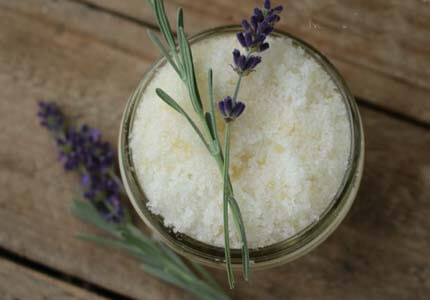
This scrub exfoliates your skin, leaving it soft, silky and smooth. It’s especially wonderful to use on your feet, elbows and knees.
Ingredients needed:
- a scant 1/2 cup cane sugar
- 1 to 2 tablespoons (more or less) lavender-infused oil
- 1 teaspoon honey
- a few drops of lavender essential oil.
How to make:
Combine all of the ingredients together in a bowl and mix well. Depending on how fine or coarse your sugar is, you may want to add a little more oil at a time until it’s a consistency you like. If it feels too oily, add more sugar.
The recipe will make enough to fit in a small 4-ounce jelly jar (like THIS KIND). To use, scoop out and gently rub on dry areas of skin. Rinse well with warm water. If you plan on keeping this more than a few days, it’s recommended that you add a preservative to keep icky things from growing in case water accidentally gets mixed in during use.
 Lavender Soap
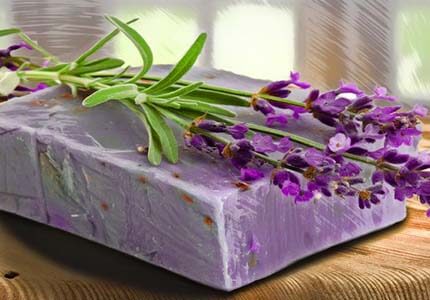
This is a lovely, old-fashioned soap that’s made with lavender tea and scented with lavender essential oil.
It’s naturally colored purple with Brazilian clay, but you could leave that out for an off-white bar instead.
 Lavender LIP BALM
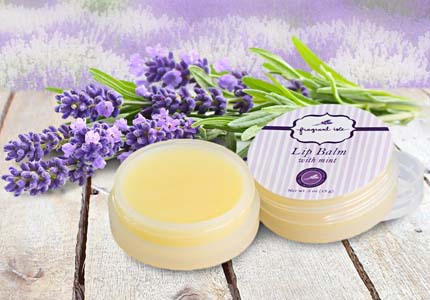
It’s full of ingredients which will protect and nourish your lips. I’ve added coconut oil to protect your from the sun, shea butter to heal, vitamin E oil to protect and soften, beeswax to moisturise and heal and lavender essential oil to regenerate and heal.
Ingredients
- 2 teaspoons of shea butter
- 2-3 drops of lavender essential oil
- teaspoon vitamin E oil
- 2 teaspoons of beeswax
- teaspoon of coconut oil
 Lavender vinegar and 5 uses
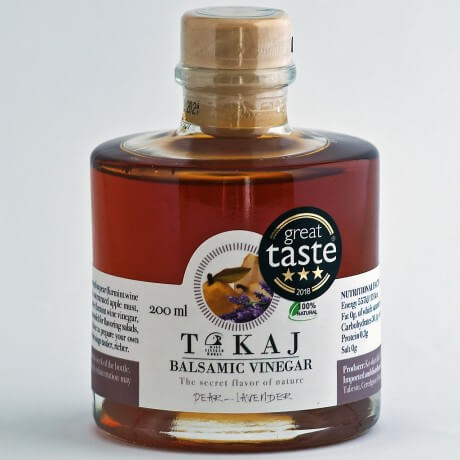
You can buy but make your own 🙂 it is similar as rose petal vinegar
How to Make it
Gather lavender, rub the buds off into a jar, then cover with vinegar.
Immediately cap to keep the vapors in. Store in a dark cabinet for a few weeks, shaking periodically.
If you don’t have a non-metallic top, then use a layer of plastic wrap or wax paper between the lid and the vinegar to prevent rusting and a yucky metallic taste.
It turns a lovely color, but other than sitting in your cabinet, looking pretty, here are five more uses for it:
1 Lavender Vinegar as a Frugal Fabric Softener
Instead of nasty toxic chemicals make your own.
Use 1/4 cup vinegar plus enough water to fill the fabric softener dispenser on the washing machine along with avoiding over-drying the clothes.
Using lavender vinegar in the wash not only does it lend a freshness to the laundry, but lavender is also antibacterial in nature.
If the scent is not quite strong enough, you can add a few drops of lavender essential oil to boost it.
2 Lavender Vinegar as a Flea Spray
Did you know lavender is repulsive to fleas and ticks?
Simply mix equal parts of lavender vinegar and water and mix well in a spray bottle. You can use this, as is, or add a few drops of essential oils, known for repelling insects.you canI add citronella, peppermint and eucalyptus since that’s what Iyou have handy.
Shake well, then mist your dog and their bedding with this mixture daily, plus whenever you take them outside.
3 Lavender Vinegar as a Hair Rinse
Use roughly 1 part vinegar to 1 to 2 parts of water. (Adjust this ratio to suit your hair type.) This helps to remove soap & shampoo buildup from your hair.
4 Lavender Vinegar as a Glass & Surface Cleaner
Use this mixture instead of the the glass-cleaner you buy at shop: 1 part vinegar, 1 part water and a tiny pinch of cornstarch.
When you read ‘cornstarch’,sounds weirdt! I read that tip somewhere in time and I think it does boost the cleaning power of the mixture. It can be omitted though.
Use crumpled newspapers to clean because either I just can’t bring myself to buy paper towels anymore or because that’s what I learned to use growing up from granny or you can use the Window Glass Cleaning Squeegee 🙂
5 Lavender Vinegar for Relaxing Baths & Soaks
These are for detoxification purposes, but also to calm and relax.
Lavender is especially soothing to both the mind and the skin.
Just add a few splashes of vinegar and a bit salts to your bath water while it’s running and relax!
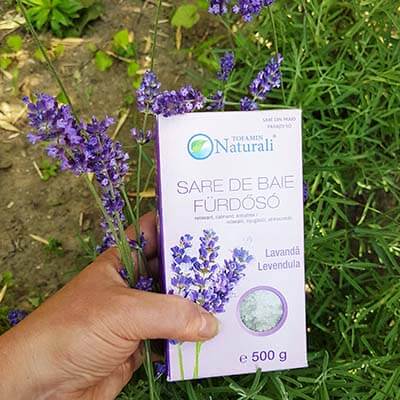
Little present from my little daughter
My little daughter was with school in Transylvania last June and she brought me this as she saw that I’m around levander nowadays:

SMOOTHIES
Lavender Lemonade
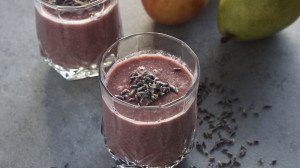
Lavender has been used for decades in folk medicine to treat a variety of ailments, but it’s most commonly used to help ease an overworked nervous system. Also known as “Chilean wineberries” maqui berries are native to South America, and have more antioxidants per serving than almost any other fruit (antioxidants also benefit the nervous system). By combining these two nervous system-loving superfoods with a hefty dose of vitamin C from pear, apple and lemon, we’ve created a calming drink that will keep you focused all day long.
Lavender Lemonade Smoothie Recipe
Ingredients
- 1 pear – chopped
- 1 apple – chopped
- 1 lemon – juiced
- 1/8 tsp lavender
- 1 tsp maqui berry powder
- 1 cup water
- 1 cup ice
Lavender has been used for decades in folk medicine to treat a variety of ailments, but it’s most commonly used to help ease an overworked nervous system. Also known as “Chilean wineberries” maqui berries are native to South America, and have more antioxidants per serving than almost any other fruit (antioxidants also benefit the nervous system). By combining these two nervous system-loving superfoods with a hefty dose of vitamin C from pear, apple and lemon, we’ve created a calming drink that will keep you focused all day long.
(Nutrition Facts: Approximately 92 calories, 0g fat, 25g carbs, 5g fiber, 16g sugar, 1g protein per 12-ounce serving. Yields 2 servings)
Honeydew Lavender Lift
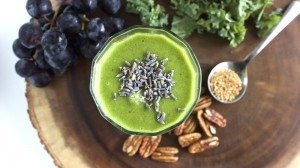
You may be familiar with lavender-scented soaps and creams, but this herb has also been shown to reduce anxiety and symptoms of PMS when ingested. Honeydew is full of Vitamin C, giving you 34 percent of your recommended daily dose, as well as a good serving of potassium. Kale has Vitamin C as well, but also gives you a few grams of protein. Flaxseed has those important Omega-3s, and pecans have a nice amount of fiber. If your stomach or your emotions need a recharge, see if this smoothie can’t do the trick.
Honeydew Lavender Lift Recipe
Ingredients
- 1 ½ oz kale
- 1 cup honeydew
- 1 cup grapes
- ½ tsp dried lavender flowers
- 3 tbsp pecans
- 1 tbsp flaxseed
- 1 cup water
- 1 cup ice
You may be familiar with lavender-scented soaps and creams, but this herb has also been shown to reduce anxiety and symptoms of PMS when ingested. Honeydew is full of Vitamin C, giving you 34 percent of your recommended daily dose, as well as a good serving of potassium. Kale has Vitamin C as well, but also gives you a few grams of protein. Flaxseed has those important Omega-3s, and pecans have a nice amount of fiber. If your stomach or your emotions need a recharge, see if this smoothie can’t do the trick.
Nutrition Facts: 176 calories, 9g fat, 16g sugar, 3g protein, 4g fiber, 21g carbs per 12-ounce serving. Yields 2 servings.
Lavender Apple Spice Smoothie
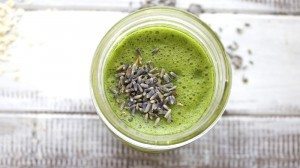
The fragrant herb lavender isn’t just for your aromatherapy bath! Edible-grade lavender (don’t use the sachets from your drawer!) adds an elegant flavor to a sweet or savory recipe. Apple and red butter leaf lettuce add fiber and nutrients including vitamins A and K. To provide that baked good element, you’ll blend in some gluten free oats, cinnamon (may help regulate blood sugar), and vanilla almond milk. This is a cake with health benefits!
Lavender Apple Spice Smoothie
Ingredients
- 1.5 oz red butter leaf lettuce
- 1 apple – chopped
- 1/2 tsp lavender flowers
- 1/2 tsp cinnamon
- 1/4 cup gluten free oats
- 1 cup water
- 1 cup ice
The fragrant herb lavender isn’t just for your aromatherapy bath! Edible-grade lavender (don’t use the sachets from your drawer!) adds an elegant flavor to a sweet or savory recipe. Apple and red butter leaf lettuce add fiber and nutrients including vitamins A and K. To provide that baked good element, you’ll blend in some gluten free oats, cinnamon (may help regulate blood sugar), and vanilla almond milk. This is a cake with health benefits!
Nutrition Facts: 96 calories, 1g fat, 8g sugar, 2g protein, 7g fiber, 23g carbs per 12-ounce serving. Yields 2 servings.
Blue Lavender Bliss
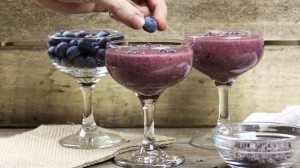
We all know lavender scent aids in relaxation. Eating lavender flowers has that same calming effect. Blueberries have some of the highest levels of the antioxidant anthocyanin, and have been linked to all kinds of positive health benefits, including sharper cognition.These sweet little gems are also rich in vitamin C, which has been shown to relieve stress. Avocado brings the omega-3 fatty acids, and lots of B vitamins. We need B vitamins for healthy nerves and brain cells. A healthy supply of B vitamins reduced anxiety. Sip, savor, relax.
Blue Lavender Bliss
Ingredients
- 1 pear – chopped
- 1/4 avocado – pitted
- 1 oz blueberries
- 1/2 tsp lavender
- 1/2 tsp maqui berry powder
- 1/4 cup gluten free oats
- 1 cup water
- 1 cup ice
We all know lavender scent aids in relaxation. Eating lavender flowers has that same calming effect. Blueberries have some of the highest levels of the antioxidant anthocyanin, and have been linked to all kinds of positive health benefits, including sharper cognition. These sweet little gems are also rich in vitamin C, which has been shown to relieve stress. Avocado brings the omega-3 fatty acids, and lots of B vitamins. We need B vitamins for healthy nerves and brain cells. A healthy supply of B vitamins reduced anxiety. Sip, savor, relax.
Nutrition Facts: 134 calories, 5g fat, 10g sugar, 2g protein, 5g fiber, 24g carbs per 12-ounce serving. Yields 2 servings.
Lavender Honey
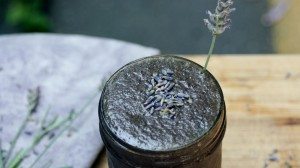
What is more calming than the smell of lavender? Maybe the taste of lavender? This smoothie will set you up for success by creating a great respite from the stressful NYC day. All the ingredients in the Lavender Honey Smoothie are light and airy; from the refreshing honeydew to the sweet coconut water. Before putting the lavender in your blender, breathe in the wonderful fragrance.
Lavender Honey
Ingredients
- 1.5 oz spinach
- 1 cup honeydew
- 1/2 cup blueberries
- 1/4 tsp lavender
- 1 tbsp chia seeds
- 11 ounces coconut water
- 1/2 cup ice cubes
What is more calming than the smell of lavender? Maybe the taste of lavender? This smoothie will set you up for success by creating a great respite from the stressful NYC day. All the ingredients in the Lavender Honey Smoothie are light and airy; from the refreshing honeydew to the sweet coconut water. Before putting the lavender in your blender, breathe in the wonderful fragrance. Sunny meadow, is that you?
(Nutrition Facts: 116 calories, 2g fat, 18g sugar, 3g protein, 5g fiber, 26g carbs per 12-ounce serving. Yields 2 servings.)
More smoothies from HERE
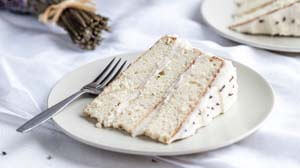
LAVENDER CAKE
Lavender Cake with Lavender Cream Cheese Icing
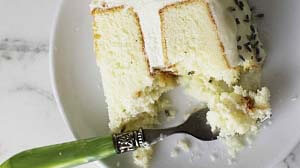
This is a moist, tender cake with a delightful and delicious lavender flavor in both the cake and the cream cheese icing.
This is a moist, tender cake with a delightful and delicious lavender flavor in both the cake and the cream cheese icing.
Although most varieties of lavender can be used in cooking there are a couple species that create more flavor in foods. Specifically, the Lavandula anguvstifolia and Munstead have the sweetest fragrance in their flowers which contribute to the flavor in foods.
Ingredients
Lavender Cake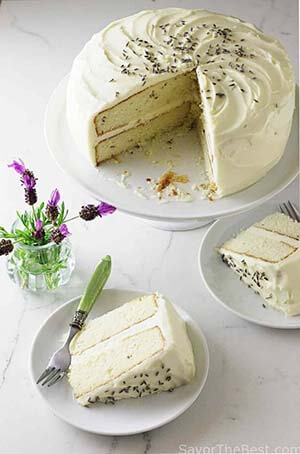
- 2-3/4 cups cake flour (300 grams)
- 1-2/3 cups sugar, superfine is best (330 grams)
- 1 Tablespoon baking powder
- ¾ teaspoon sea salt
- ¾ cup butter, (12 tablespoons) softened
- 4 large egg whites, plus 1 whole large egg
- 1 cup whole milk
- 2 teaspoons vanilla extract
- 8-10 drops lavender oil, about ⅛ teaspoon (see Notes)
- 2 teaspoon, dried, culinary lavender buds, pulverized in a pestle or ground in a spice mill
Lavender Cream Cheese Icing:
- 1 cup of butter (2 sticks), room temperature
- 16 oz of cream cheese (2 packages), room temperature
- 5 – 6 cups of powdered sugar (565 to 678 grams)
- 1 teaspoon of vanilla extract
- 2-5 drops of culinary lavender oil (or to preferred taste-see Notes)
Instructions
For the Cake
- Preheat the oven to 350°F
- Prepare two 9”x2” round pans by lining them with parchment paper and then spray the paper with non-stick spray.
- Mix the dry ingredients on slow speed for 2 minutes to blend. Add the soft butter and mix until evenly crumbly, it should resemble damp sand.
- Add the egg whites one at a time, then add the whole egg, beating well after each addition to begin building the structure of the cake. Scrape down the sides of the bowl with each egg addition.
- In a small bowl, whisk the milk with the vanilla and the lavender oil (see Notes). Add this mix ⅓ at a time, to the batter. Beat just until combined. Scrape down the sides and bottom of the bowl. Fold the crushed lavender buds into the batter.
- Pour the batter into the prepared pans and bake for 25 to 30 minutes or until a toothpick inserted into the center comes out with just a few crumbs stuck to the toothpick. Remove from the oven and cool completely on a wire rack.
For the Lavender Cream Cheese Icing:
-
- With an electric mixer, and using the paddle attachment, not the whisk, mix the butter and cream cheese together, about 3 minutes on medium speed until very smooth. Scrape down the sides and bottom of the bowl to ensure even mixing.
- Add the vanilla extract and mix. Slowly add the powdered sugar. Keep adding until you get to desired sweetness and thickness. With the mixer on the slow speed, carefully add one drop of the oil at a time and mix well. Taste for flavor and add more oil a drop at a time to get the desired taste.
- Spread icing on the cooled cake and refrigerate until serving.
Notes
Lavender oil is super powerful and you will need to drop in a couple drops at a time, mix it well and then taste it to determine if you need more. I used 10 drops and was delighted with the results.
If you do not have lavender oil you could substitute by heating the milk that is listed in the ingredients with 2 or 3 teaspoons of dried culinary lavender. Bring the milk to a boil, remove from the heat and let it steep until it is room temperature, then strain it through a sieve before adding to the cake batter.
from HERE
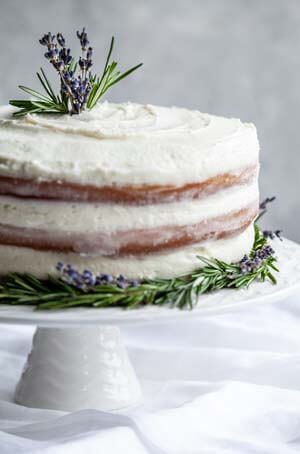
Rosemary Lavender Cake With A Lavender Buttercream
Ingredients
For the cake
- 5 large egg whites at room temperature
- 1 cup whole milk at room temperature
- 2½ tsps pure vanilla extract
- 3 cups cake flour, sifted
- 1¾ cups sugar
- 1 tbsp + 1 tsp baking powder
- ¾ tsp salt
- 12 tbsps unsalted butter, at room temperature and cut into cubes
- 3-4 springs of fresh rosemary for garnish
- 3-4 sprigs of fresh lavender for garnish (I used lavender from my Terre Bleu dried lavender bouquet)
- 3 tsps fresh rosemary, chopped
For the frosting
- 1 cup unsalted butter, room temperature
- 4-6 cups powdered sugar
- ¾ cup heavy cream
- 1½ tsps dried culinary lavender bud plus more to sprinkle over cake (I used Terre Bleu lavender culinary bud)
- ¼ tsp salt plus more to sprinkle over cake (I used Terre Bleu lavender sea salt)
- ½ tsp of vanilla extract
Directions
- Preheat oven to 350 °F.
- Prepare three 8” or 9” cake pans with butter or spray oil and parchment.
- In a medium bowl combine the egg whites chopped rosemary and vanilla and set aside.
- In the bowl of an electric mixer fitted with the paddle attachment, combine flour, sugar, baking powder, and salt together on low speed for 30 seconds to combine.
- Add the butter, and mix on a low speed until just combined.
- Add milk and mix until just combined.
- Increase to medium speed and mix for 1-2 minutes until light and airy.
- Scrape the sides of the bowl and begin to add the egg mixture in 2 separate batches, beat on medium speed until it is just combined.
- Divide the batter between the three cake pan and bake for 25-30 minutes for 8” pan and 20 minutes for 9” pan or until a toothpick comes out clean.
- Let cool on cooling racks until cooled completely. If assembling cake the next day remove each cake and wrap tightly with plastic wrap and store in the refrigerator until ready to assemble cake.
- While the cakes are cooling make the buttercream frosting. In a small saucepan over medium heat, heat the heavy cream and lavender until it just comes to a boil. Remove from heat and cover letting the cream infuse for 20 minutes. Once infused, strain the lavender out of the cream, and set the cream aside.
- In a stand mixer with a paddle attachment, beat the butter until it is creamy, and add the powdered sugar ½ Cup at a time.
- Slowly add the infused cream along with the vanilla until you get a consistency you like. If the mixture gets too runny, add more powdered sugar. Start with 4 cups of powdered sugar first and then add the cream and adjust additional amounts of powdered sugar. Finish off by mixing in the salt.
- Once cakes are cool, take them out of the pans, and place one layer onto a cake plate. Using an offset spatula, spread 1 cup of frosting on the cake.
- Turn the second layer upside down (so the bottom is face up) and gently place it on top of the first layer. Spread another cup of frosting on the cake.
- Turn the third layer upside down and gently place in on top of the second layer.
- Spread a generous amount of frosting on the top of the cake. Spread the frosting to the edge of the cake and then start to work your way down the sides.
- Using a bench scraper or an offset spatula, scrape some of the frosting off the sides of the cake so you can see the cake layers.
- Decorate to preference with fresh rosemary and lavender. For this cake I simply placed the rosemary all around the base of the cake and inserted stems of lavender between every other stem of rosemary.
Recipe adapted from Sprinkles for breakfast and Food
LAVENDER ICE CREAMS
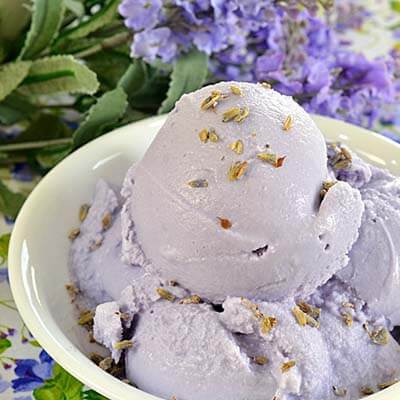
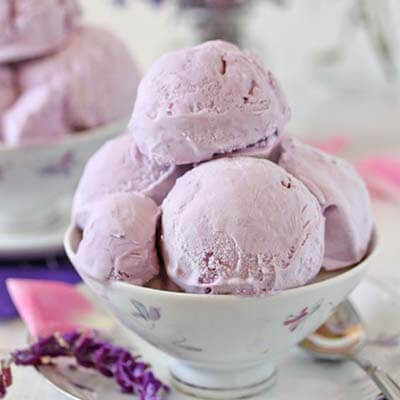
HONEY LEVANDER ICE CREAM LAVENDER ROSE ICE CREAM
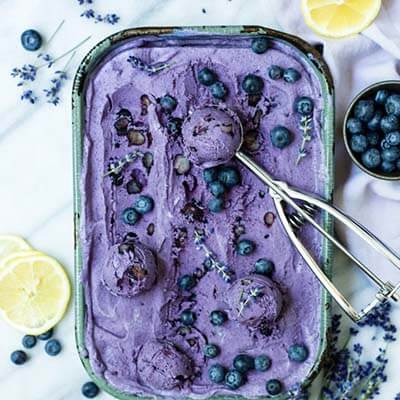
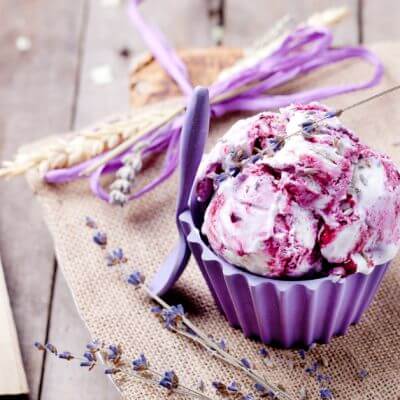
BLUEBERRY LEMON LAVENDER (Vegan) HONEY LAVENDER ICE CREAM
click on the name of the icecream for recipe
About Lavender
Six types of flower are generally distinguished in cultivars of herbaceous peonies.
- single: a single or double row of broad petals encircle fertile stamens, carpels visible.
- Japanese: a single or double row of broad petals encircle somewhat broadened staminodes, may carry pollen along the edges, carpels visible.
- anemone: a single or double row of broad petals encircle narrow incurved petal-like staminodes; fertile stamens are absent, carpels visible.
- semi-double: a single or double row of broad petals encircles further broad petals intermingled with stamens.
- bomb: a single row of broad petals encircles a shorter dense pompon of narrower petals.
- double: the flower consists of many broad petals only, including those which likely are altered stamens and carpels.

I collected over 400 photos in my PINTEREST ALBUM for you
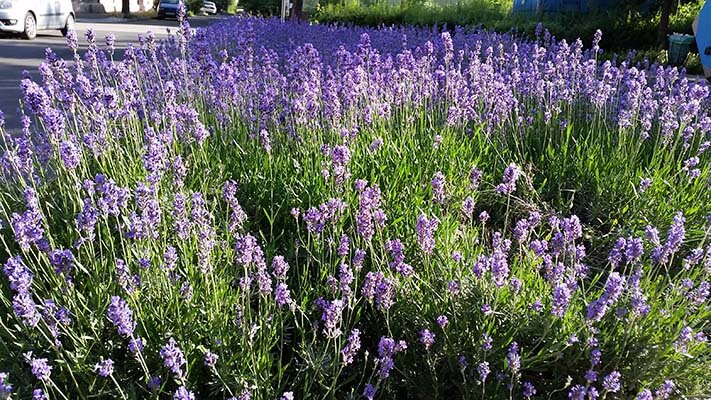
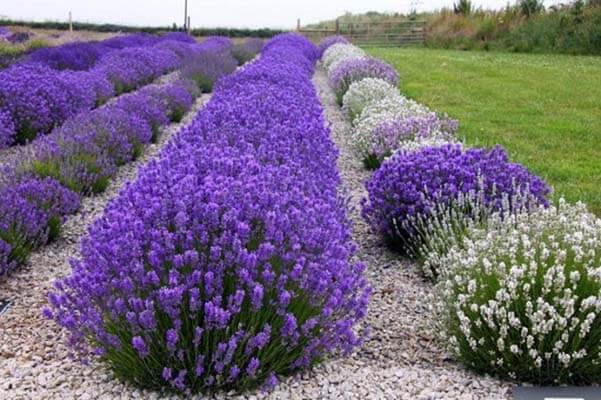
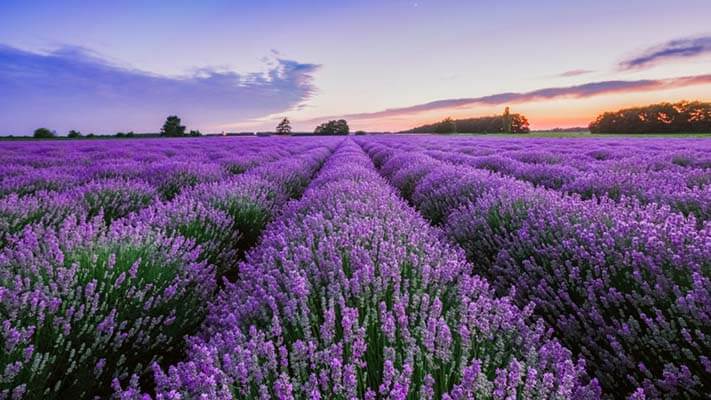
these are about 200 m from us
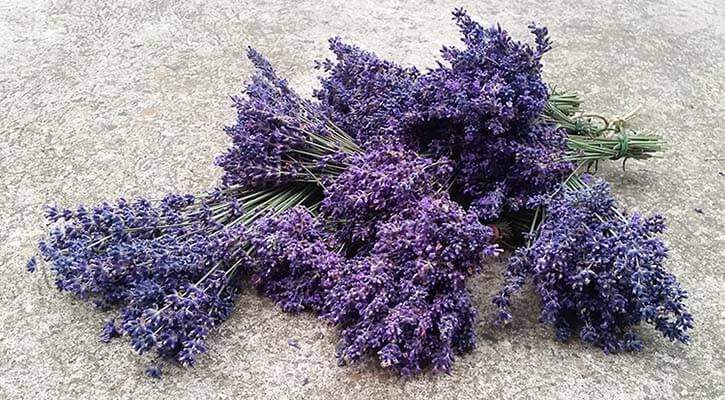
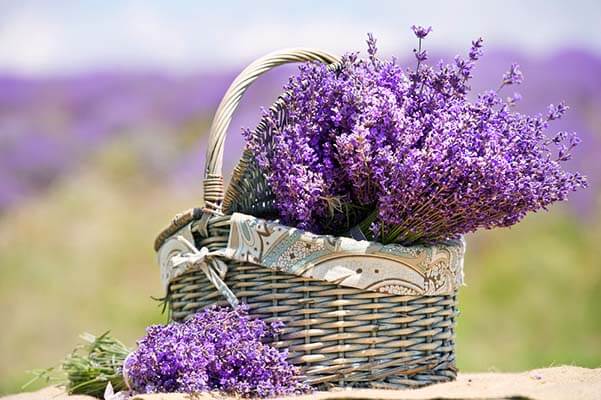
I made these bouquets and hung them in the pantry and in the lobby and everywhere. They are from Tihany at lake Balaton.
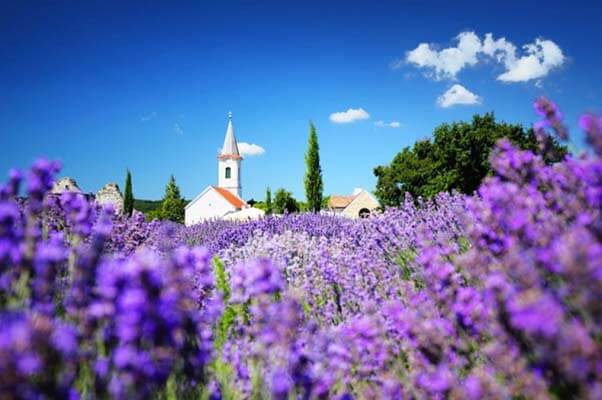
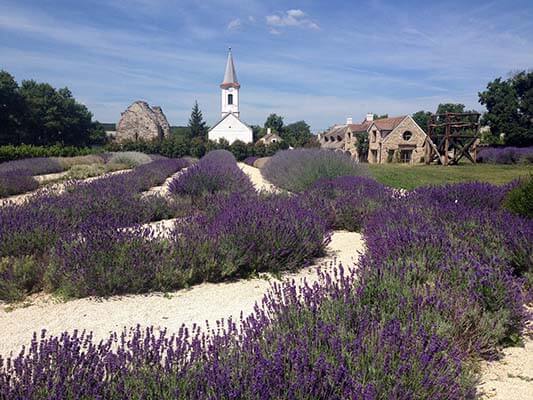
Dörgicse
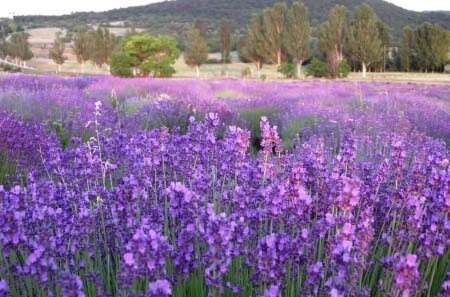
Tihany
See more at my pinterest album
pictures are mine and from pinterest.

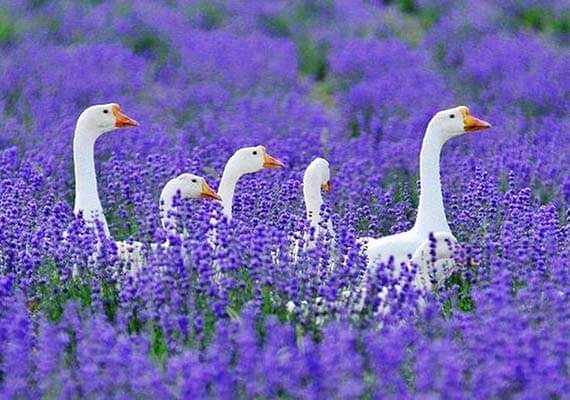
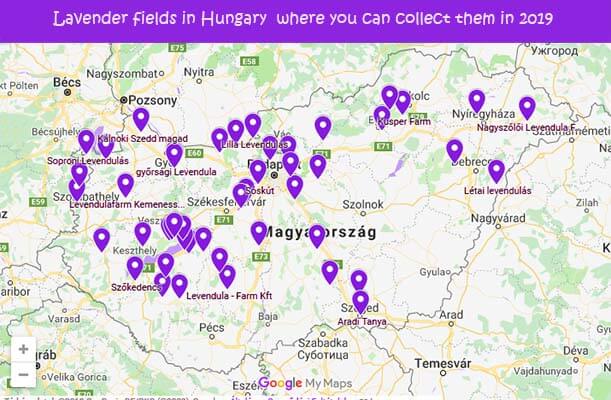
Levander is common in Hungary, there are plenty Lavender farm where you can pick them.
there is a website which collect the place and events every year
 .
.
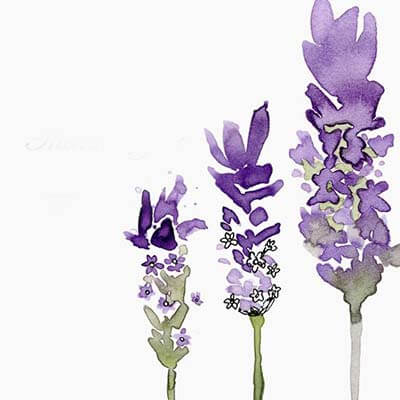
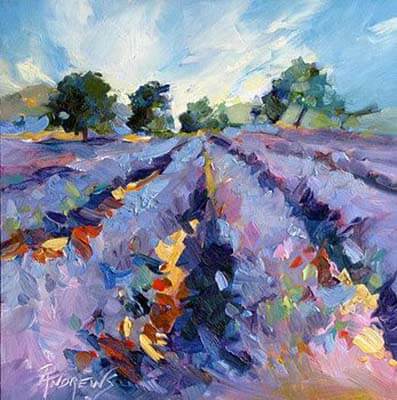
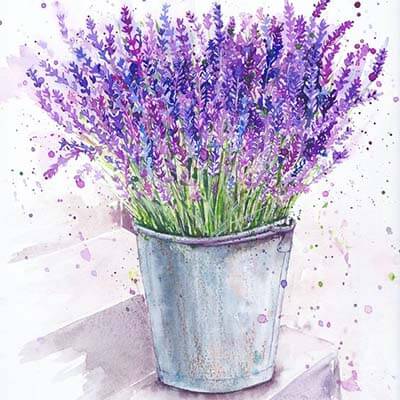
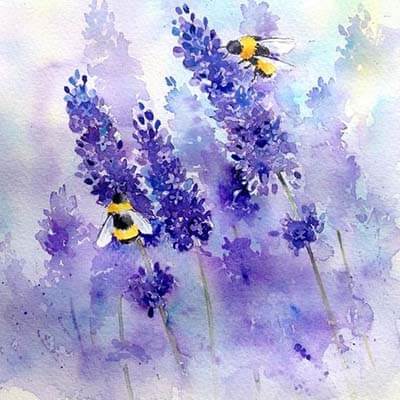
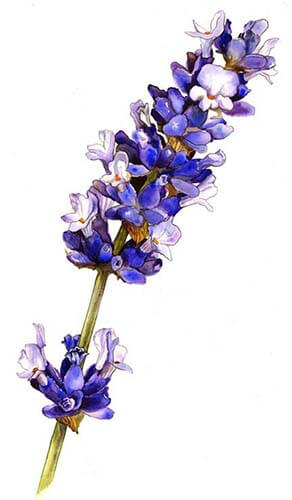
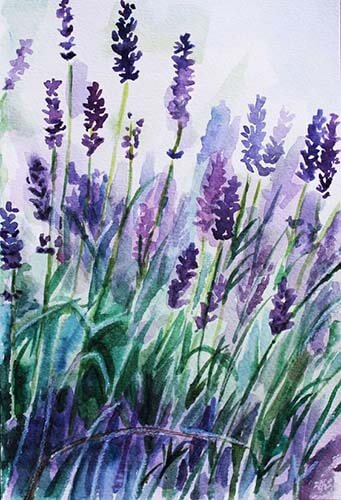
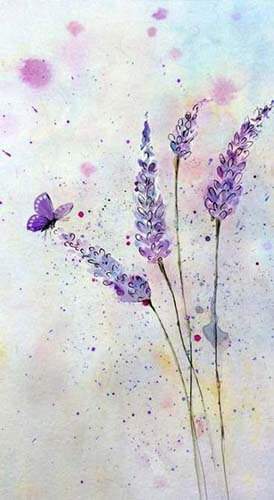
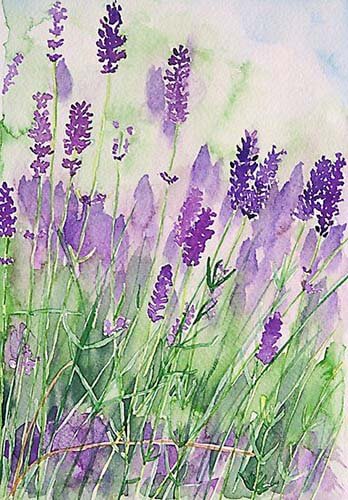
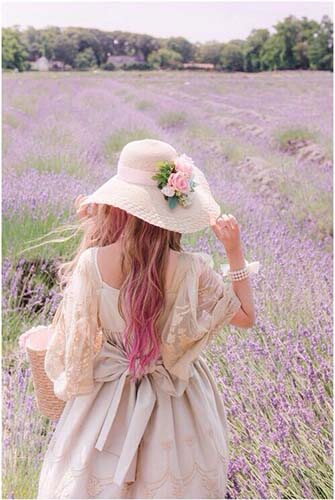
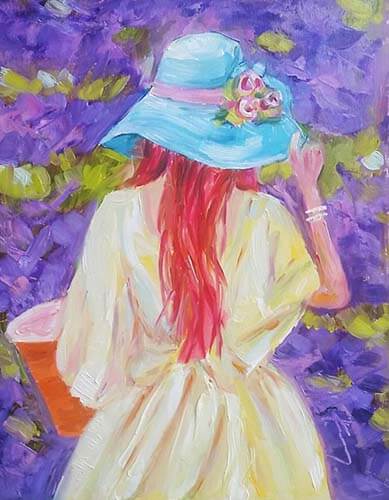

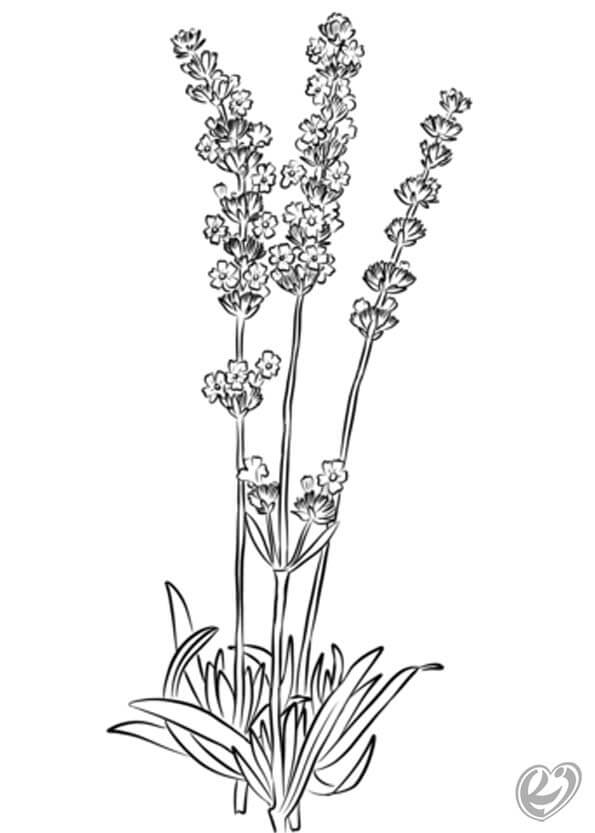
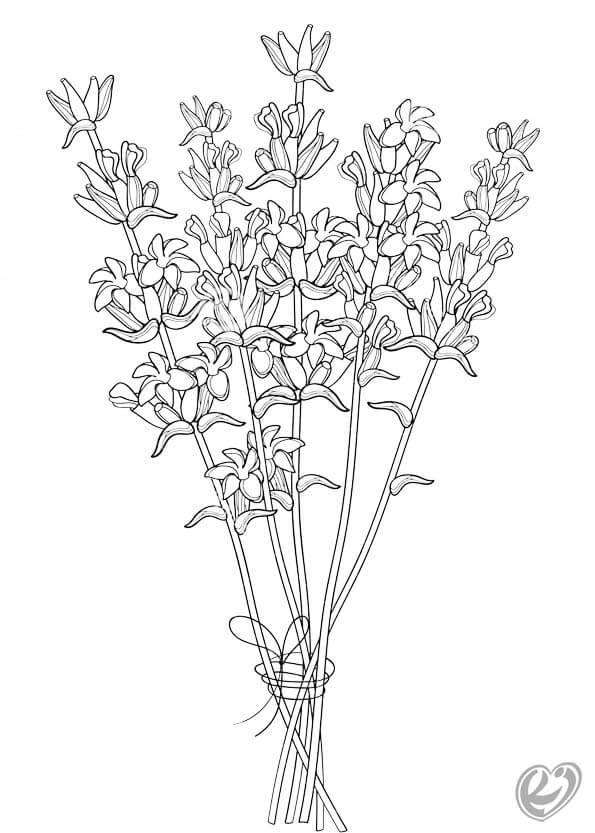
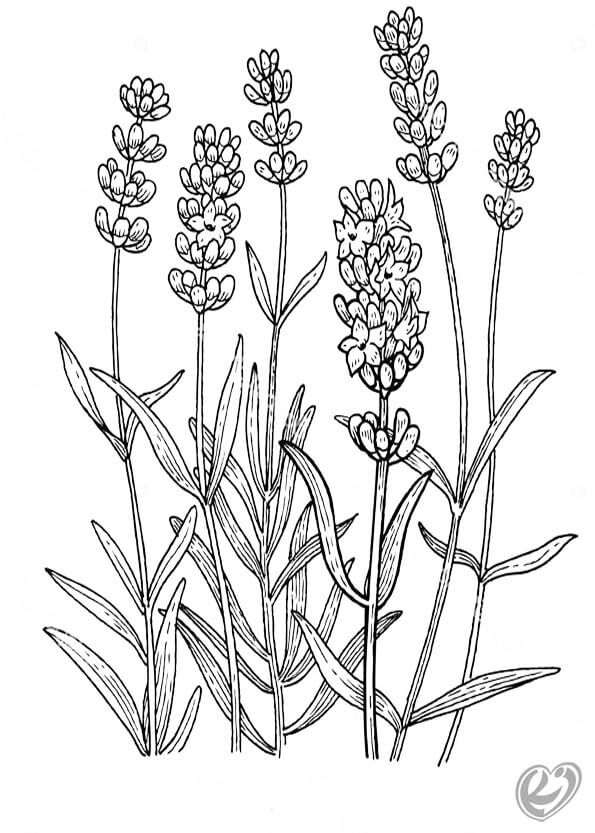
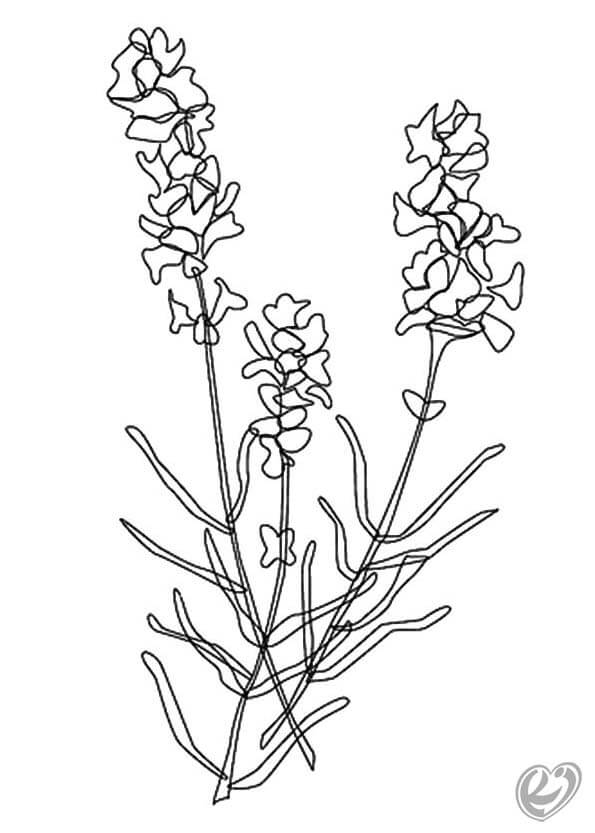
Here are the coloring or you can use as underdrawing, just pring it out:
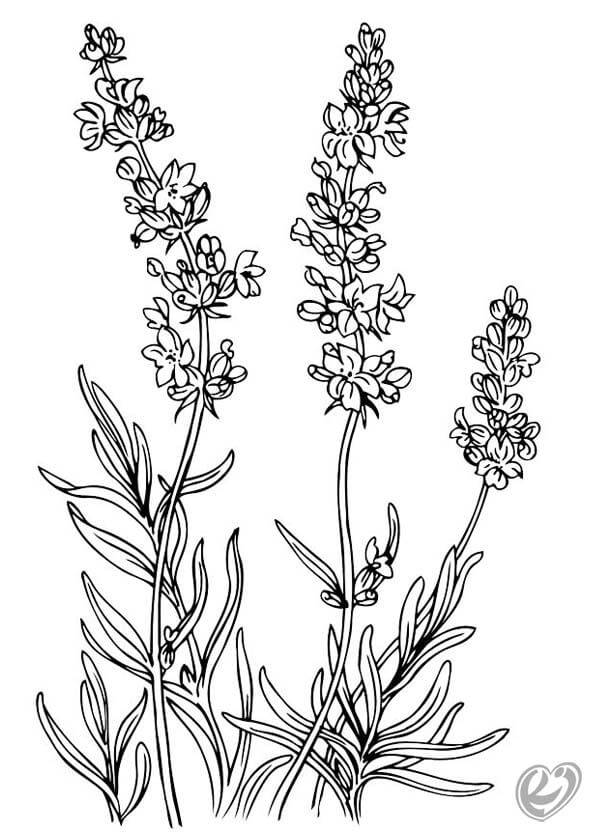
coloring levander 1 s
coloring levander 2 s
coloring levander 3 s
coloring levander 4 s
coloring levander 5 s
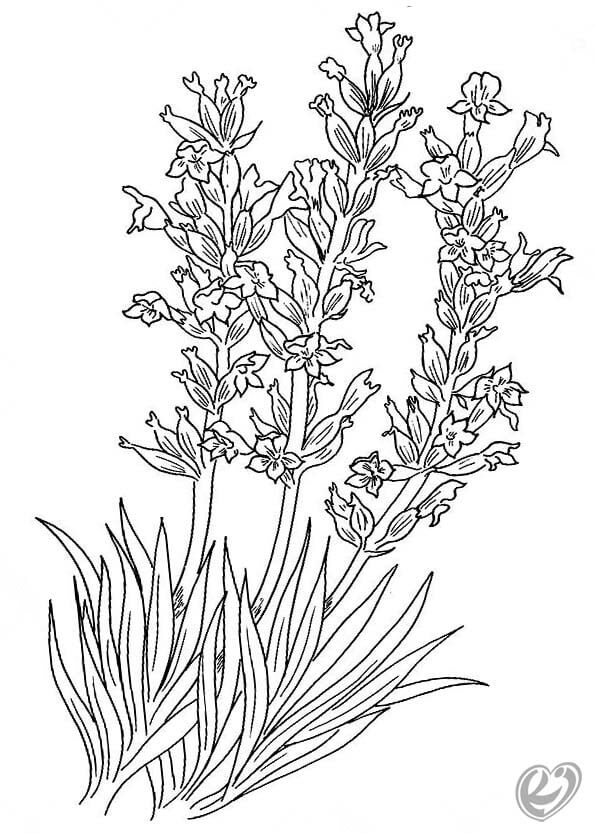
coloring levander 6 s

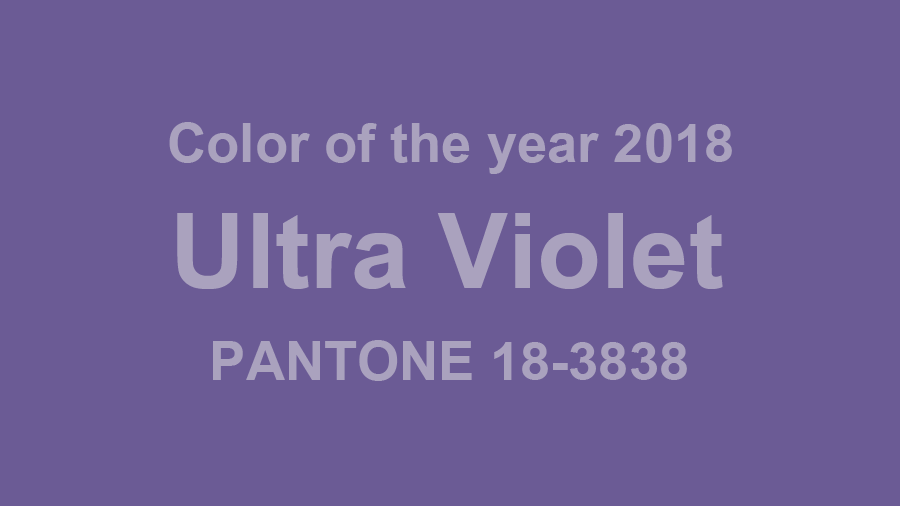
HOW TO MAKE LAVENDER MACE
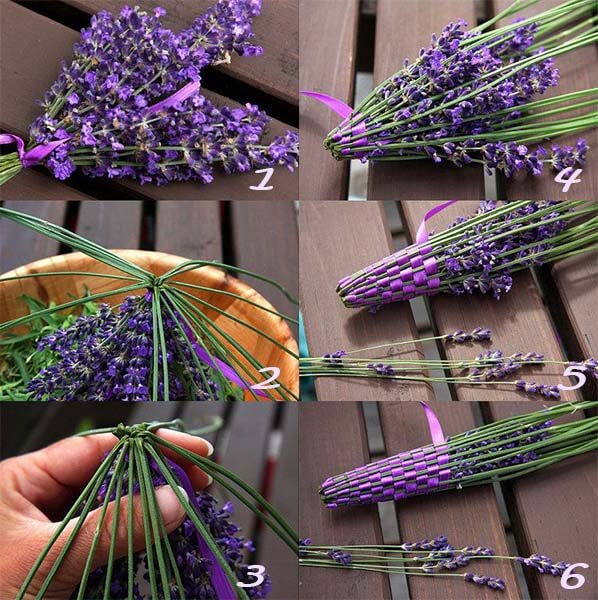
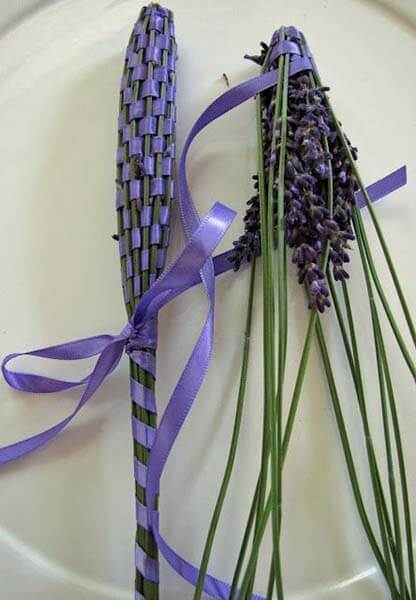
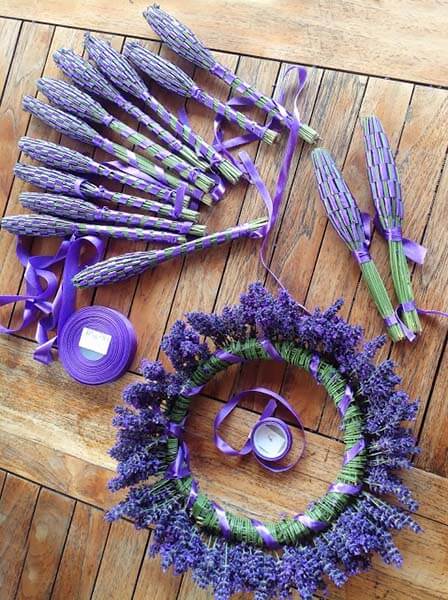

3D to 2D loosely
Supplies:
- 18x24cm 300gr aquarell paper
- aquarell paints (VIOLET, rosa, violetrosa, green, yellow ochre)
- brushes small and large (8, 2, 3, any you have)
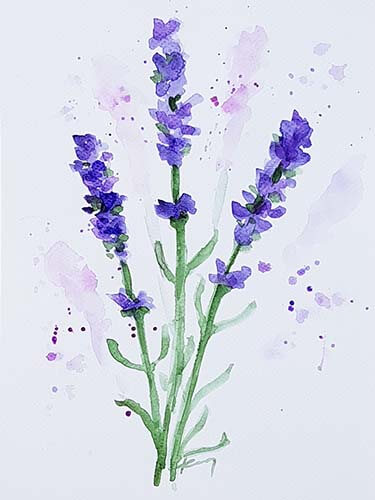

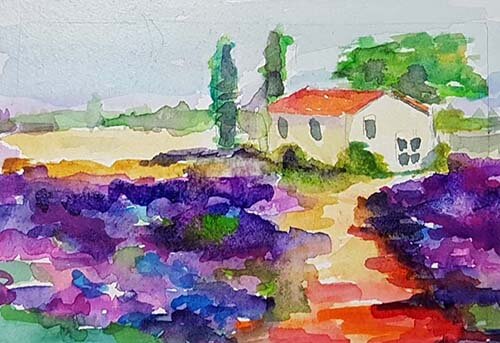
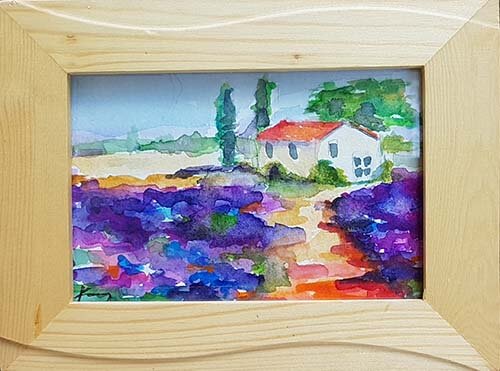
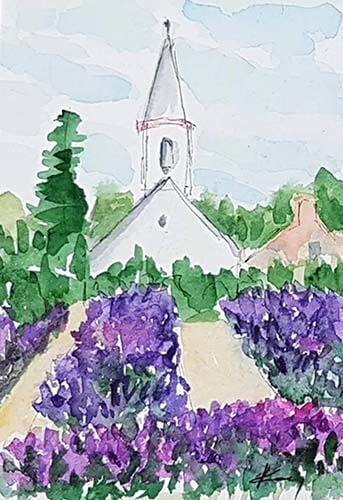
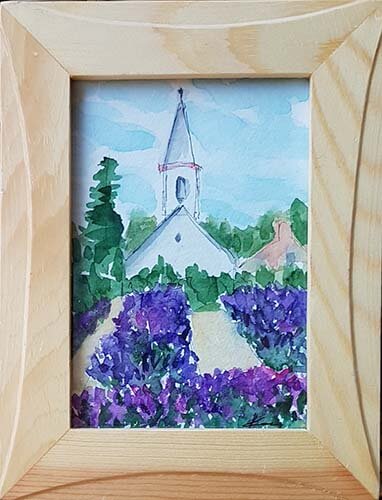
MINIS
Supplies:
- 12,5×8,5 cm (visible: 11,3×7,3 cm) 300gr aquarell paper
- aquarell paints (VIOLET, rosa, violetrosa, green, yellow ochre, red, orange, yellow)
- brushes small (8, 2, 3, any you have)
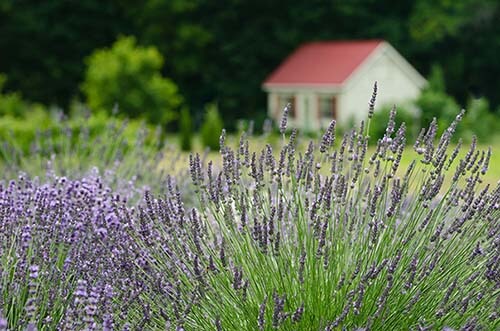
This is a photo which gaves the idea of the red roof
My little daughter finished chinese-hungarian elementary school and I have painted 10 farewell cards to the teachers.
This is no 2
easy and loose few minutes each.
I will share one in every week on my youtube channel.
this one is match to our lavender lesson although I have painted all from my head without reference photos and didn’t planned to match to our schedule. 🙂 I put it here if you may not receive the extra mail from it
supplies
- 17,5×25 cm folded in half 300gr aquarelle paper I paint on the 12,5×170,5 cm side (the original paper is 70×100 cut in half and half 35×50 and half 35×25 and half 17,5×25 I receive 16 pieces from a sheet)
- aquarelle paint ( violet, violetrose, magenta, green, yellow, orange)
- waterproof inkpen (I have Pigma Micron)
- brushes (10, any you have)
Ready painting:

Búcsúzunk means Farewell
watch the VIDEO
I would be very happy to see your painting will you upload them to the fb group?
and to the instagram with this hastag: #natureartwithildy #natureartsummer – hashtag your work from the course and follow hashtag to see what other students are creating! Follow me on Insta HERE. Happy creating!