
Dear friends,
Our weekly theme is MANDALA, and last week’s FEATHER too are a detour that can help you create your unique dreamcatcher, next week 🙂
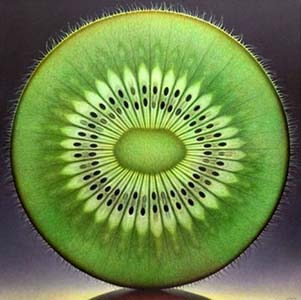
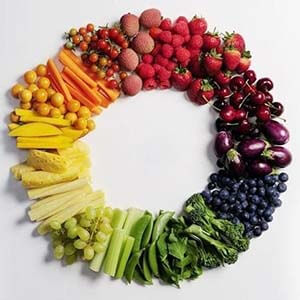
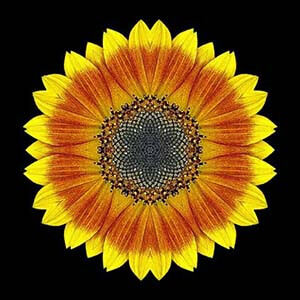
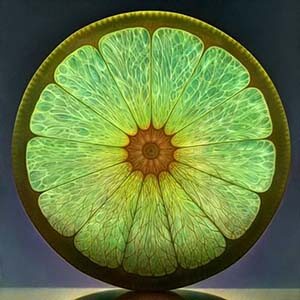
I am approaching it a little differently here, of course I will provide links to colorings and mandala drawings, but my main goal is to draw attention to the fact that we are surrounded by ‘mandalas’, either a window of a church or a flower or a cake 🙂 and of course it is in our next week’s ‘dreamcathers’.
This week would be great if you catch up a little and
0, before you start read the infos I collected about mandala (history, forms, colours meanings, symbol . . .) and if you have time there is a book I suggest to read 🙂
1, colour a printed mandala what you like (which is calling you) -it is a meditation
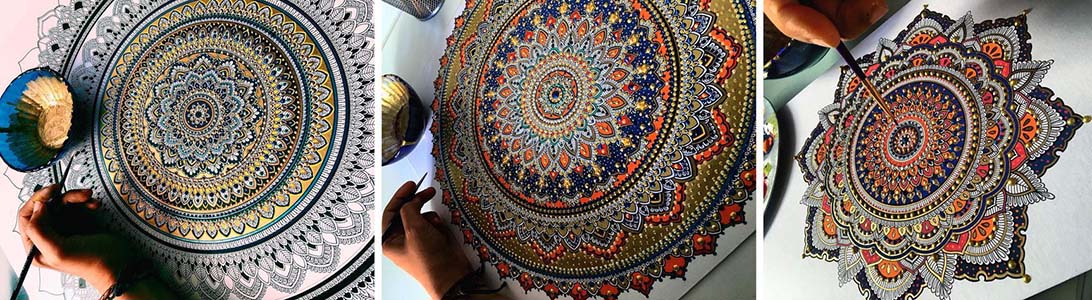
2, or put together a new piece and try to paint it with aquarelle
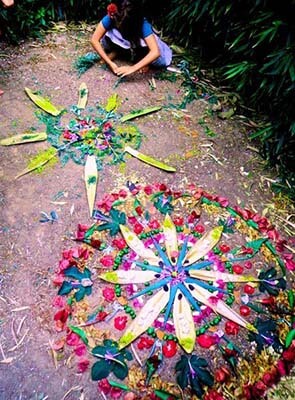
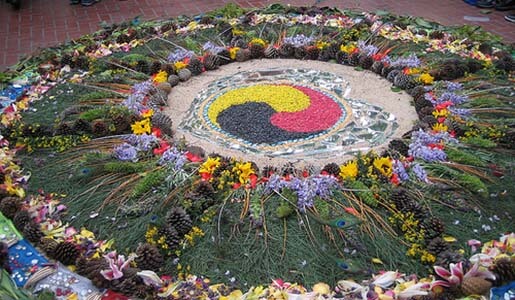
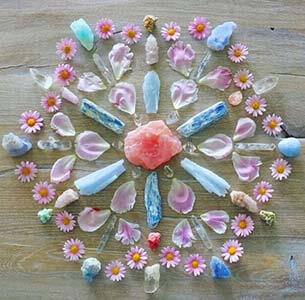
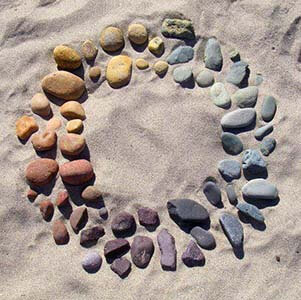
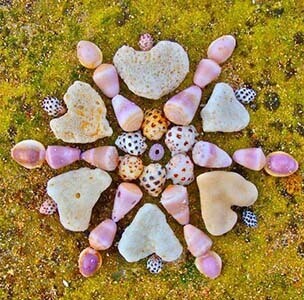
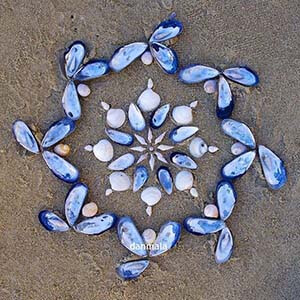
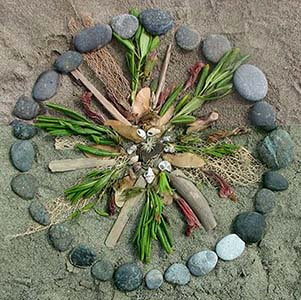
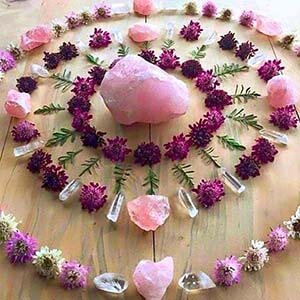
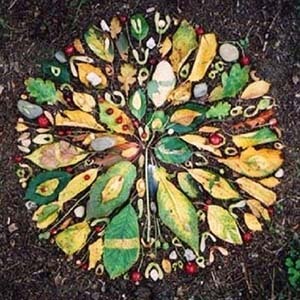
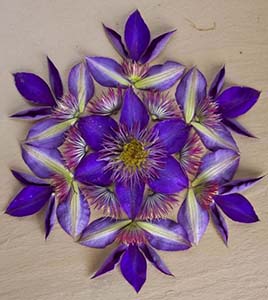
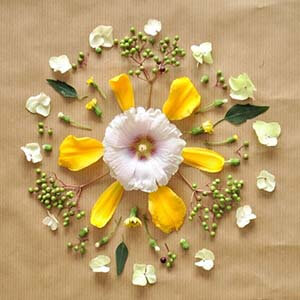
3, or create a nature mandala with the petals stones leaves shells sticks what you find in the nature 🙂
4, try to walk with open eye and see ‘mandalas’ in the nature, in the fruit or in the flower or in a window and would be great if you share in the facebook anything you find.
5, try to prepare your soul for the next week’s dreamcatcher 🙂
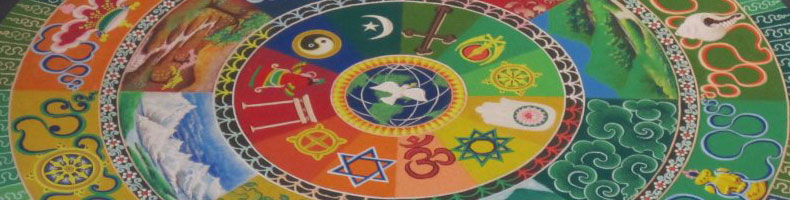
History of the mandala:
The word mandala, from the ancient Indian/hundu sacred language, comes from Sanskrit. Meaning: circle, arc, circle, disk. Another view is that the meaning is also related to the mind (manas means “mind”).
According to its origin it is from
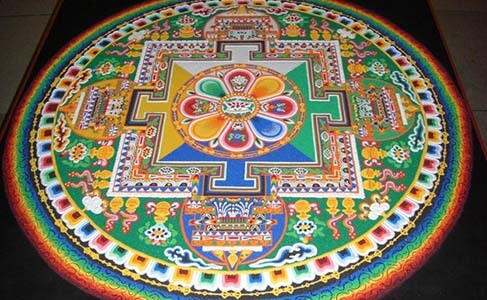
the Buddhist culture of Tibetan and Indian culture, where it has been used for meditation techniques and practices for thousands of years. Yogis use various tools to help them deepen, and they can hold their consciousness on the subject of their meditation.
These body and hand positions, that is, mudra, the sounds that are mantra, the objects that can be handled, are the vadzsra and the mala, and the various pictorial representations of the deities, namely the mandala.
Through meditation and following a path of thought and action, Siddhartha Gautama, the founder of Buddhism, attained enlightenment, freeing himself from the cycle of death and rebirth. He taught this path to his followers who still practice these principles today.
As Buddhist monks traveled the Silk Road, a major trade route through Asia, they brought Buddhism to many other lands. They carried mandalas with them and brought the practice of creating these works of art to other parts of Asia. The earliest evidence of Buddhist mandala art dates to the first century B.C.E. but appeared in other regions, such as Tibet, China, and Japan by the fourth century. Although rooted in Buddhism, mandalas later became present in Hinduism, New Age Spirituality, and other religious practices.
The mandala is a sacred magic space separated from the real one. In itself, it is the representation of the world and all its essential features. The center of the mandala symbolizes the center of the world. This point never moves, but everything is rotates around it.
Symbolic meanings of the colours:
Yellow
The eternal light, the majesty, the power of power, the symbol of mediation between men and gods.
Light or golden yellow is the color of faith, goodness, intuition, intellect.
The orangish-yellow is the Sun, the symbol of warmth; the divine love, the color of wisdom; greenish-yellow, however, was associated with death, envy, and treason.
In Buddhism, resignation, desirelessness, humility, color of monks.
In China this colour, the Earth is the center point. It was originally an imperial color – it was only wearing a yellow dress that belonged to the imperial family – later it became an expression of nobility.
In the Christian tradition, the multicolor of the yellow color also appears: holiness, the expression of the revealed truth, but the dark yellow is the color of heresy, the betrayal.
Orange
Transition color between red and yellow; it represents the balance of spirit and libido.
The color of love and happiness in China and Japan. The color of the Buddhist monks’ dress is the flame, the light of enlightenment, the revelation of divine love.
The Jewish tradition is the color of glow and splendor.
Red
It can be the colour of life or a sign of death; in both cases associated with blood.
Symbol of gender, libido color.
In the prehistoric times, a red dust was spread alongside the dead during the funeral ceremony. According to an ancient superstition it saves from demons and dangers.
The Egyptians painted their trees, their cows, their belongings red to protect them from fire and other damage and to be fertile.
The Jews painted their doorstep with the blood of the sacrificial lambs to protect their houses from the angel of the ten plagues.
In Greece, the dead was covered by a red cloak, symbolically being sacrificed to reconcile with the underworld, to descend into their empire.
In antiquity, means love, joy, passion; In Rome, the bride wears a fire-red veil, this is the flammeum.
It is also a symbol of power, fire and authority.
In the Jewish and Christian traditions the seriousness, the color of the majesty.
In the New Testament, sin, the atonement, the penitence, and the color of the sacrifice.
Negative meaning is related to the stigma of physical passions, the scarlet red is the color of the “great Babylonian harlot”.
The red lantern houses refer the color of the whore.
It represents the furnace of the alchemists and the third degree of “Great Work”.
In European folk traditions, Easter red eggs are a symbol of fertility.
Brown
The color of the earth is the meaning of motherhood, care, fertility, diligence.
As a material symbol, it is also an expression of the instinct.
Already in antiquity, the meaning of penance, simplicity, humility is taken.
In the Middle Ages, the following meanings belong to it: silence, contempt for worldly calling, poverty; this is the color of the Franciscan order.
Grey
The color of the ash and the fog, the symbol of sadness, melancholy, boredom, fatigue, and unanimity.
The Christian symbolizes the death of the body and the immortality of the soul. In this sense, it became the distinctive color of the ecclesial communities, the order.
Gray means neutrality, everyday life as opposed to colors.
Green
It is the expression of spring, the renewal of nature, the growing life.
Especially the evergreen plants are associated with fertility and immortality symbolism.
The color scale is “in the middle”, the red color is complementary, and as the blue and yellow blends, it denotes the trinity of colors. It also has a dignity: youth, hope, happiness, but change is a sign of transience, jealousy.
It is a warm and cold mixture of heaven and earth.
It may be a symbol of maturity, inexperience, and naivety.
In Christianity, immortality, the color of resurrection, is the Hope of the Virtues.
Negative meaning: poison, death, evil force of evil. Satan is often depicted with a green body and eye.
Blue
The sky, the color of the sea; it is the symbol of elusiveness, infinity, transcendence.
The intellect, the reflection, the expression of calm, which can also relate to the world of imagination and surreality.
Referring to the heavenly gods is the superhuman, heavenly power, in this sense, opposite of the earthly passions.of the red.
In the Christian symbolism the angels and the color of the Virgin Mary.
The color of secular rulers refers to the celestial origin of their power.
While the dazzling blue sky in day is masculine, the dark blue of the night refers to the feminine principle.
Lila
The color of temperance.
Balance between earth and sky (color of dawn and evening sky), between reason and desire, wisdom and emotion.
It may mean intelligence, knowledge, religious devotion, holiness, humility, repentance, pain, nostalgia.
At the Romans are connected to Jupiter.
In Christianity, priestly law, authority, truth, fasting, sadness, and expectation are all manifestations.
Black
The ancient darkness, chaos, night, the bottomless, mysterious depth, the symbol of space.
The opposite of life in colors, a symbol of death.
The color of resignation, the mourning of mourning; in many traditions it is bound to evil forces.
In ancient times black was associated with the gods of the underworld, eg. Hades-Pluto, Hechat, Osiris color.
Christianity, on the one hand, is the color of death and grief, on the other hand it is a symbol of sin, hell, and punishment.
It also expressed hesitation from the world, from life, from humble, so the priests and the Benedictine monks chose their clothing.
In the alchemy, the lack of color, the first degree of the Great Work, the decay, the fermentation, the symbol of desolation to hell.
White
Light, purity, transcendence, perfection, simplicity.
Lunar color indicates the virgin aspect of the female principle.
The color of the animals of the heavenly gods, eg. Zeus as a white swan; the elephant of the dream of the Buddha’s birth; the Holy Ghost Pigeon.
White is closely related to death and related ritual objects (deadly shroud, candle), symbolizing spirits and ghosts.
Colour of the Cosmic Egg of Hinduism, which is the realization of permanence and eternity.
The color of grief in China. The white tiger refers to the autumn, the mature age, and the mascot indicates the cunning.
The white flower is the birth of a child.
White appears in the sense of innocence in Athens, where the judges of Areiospaghos voted with white stones to release the accused.
In the Christian tradition, it is the carrier of joy and virtue. The sacrament, the color of God, and the color of the resurrection.
White dress means purity, virginity, and soul victory over matter.
Expressing peace and goodwill; this is attributed to Noah’s white dove and the white flag of the ambassador of peace.
Silver
It can refer to trade and the power of money.
According to Egyptian myths, Ré Sun God bones was from silver.
In China it was considered the most valuable metal; the Milky Way was called the “Silver River”.
In Greek-Roman mythology, the second world era is the silver age, which is the beginning of a decline against the happy world of golden age.
While the metals of kings are gold, the queen is silver.
Esoteric is the color of lunar astral.
Gold
Sunlight, divine power, enlightenment, immortality, symbol of glory.
It symbolizes all the sun gods, the gods of sowing and harvest, the fruit of the harvest.
In Christianity, icon painting, and the Western painting of the Roman Age, the golden background refers to the transcendental sphere, the heavenly empire, to the golden glory, and the glory to the glorified saints.
Gold is the color of the solar astral in esoterics.
MEANINGS OF THE MANDALA COLORS:
–White: relief, perfection, compassion, calmness.
– Black: secret, intuition, insight, rebirth.
– Gray: spiritual healing, gentleness, love, loyalty.
– Yellow: friendship, responsiveness, nature, intelligence.
– Blue: satisfaction, relaxation, harmony.
– Fire red: fearlessness, power, change, love.
– Purple: Humanity, Idealism, Wisdom.
– Pink: sensitivity, healing of “inner”, universal healing.
– Orange: self-control, vitality, ambition, hunch.
– Green: growth, trust, relationship, healing, calm.
– Brown: proximity to earth, stability, conscious attachment to the environment.
– Silver: supernatural, supernatural skills, emotional, well-being.
Symbolic meanings of the forms:
Point Unit
Circle: eternity, cosmic order, magic circle, spirituality
Spiral: whirling, dynamism
Square: earth, material, stability
Peak square: lability
Side triangle: masculinity, creativity, creative energy, ascension, Trinity
The Triangle on the Peak: Water, Femininity, Submissiveness
6-pointed star: Cosmic balance, Satisfaction
5-pointed star: perfect man, symbol of power, power, power
Line: Motion
Wave Line: Rhythmic Spread
Tree: Life, Development
Heart: love, love, emotions
Water: material existence, purification, unconscious, soul, instinct
Mesh: bondage
Semicircle: spiritual openness
Lotus flower: eternal life
Rose: Light, Love
Violet: Modesty
Tulip: Various modifications of the tulip can depict the woman from the age of the girl to every moment of life, to old age, to death. The tulip is highly stylized! The tulip is the symbolic representation of God in hungarian past. I wrote about the sacral meaning at the Tulip lesson :)Means the stylized representation of the formalities of the female genitalia and the woman in labor.
Symbolic meanings of the numbers:
1: openness, creation
2: inclusion, femininity, intuition
3: contact creation, change
4: determination, precision
5: creativity, success
6: peace, calm
7: determination, attraction
8: accuracy, spirituality
9: romance, talent
More about tulips:
The tulip, as a symbol, has a variety of meaning content. The color in Hungarian folk art is typically red, which typically refers to sensuality and love. As a fertility symbol, it also has evil countermeasures, so it has been carved on gates long ago.
They were also carved on objects of use, painted as a tulip chest/box, embroidered on tablecloths, bedding, clothes. Popular decorative motifs for bangles, belt belts and strap ends. We can also find this flower on the dishes, the main decorative element of the Corundum pottery is tulip.
Symbolizing the femininity with the birth, the tulip is essentially an iconic representation of the two open thighs and the gate of life. (Marcell Jankovics: Symbol Library)
THE PLACE OF THE IMAGE: The tulip is often depicted with the inverted heart as a symbol of the unity of man and woman. It is no coincidence, therefore, that this flower (tulip crate) was placed on female furniture. The bride collected her clothes and linen in this chest she brought with her to marriage. The tulip painted on the chest could symbolize the lost virginity of the bride.
FORM, SKIN, COLOR, SIZE: Various sizes, shapes and colors can be used to summon different stages of women’s life. According to this, we can decide which stage of life or life situation we want to strengthen with this symbol.
Bud – denotes little girls who are innocent, virgins. Lighter shades are typical. The baby tulip can be beautiful in the room of the little girls and the gifts for them.
Opening tulips – symbolizing young girls who are already in court, are on sale. A gift for the girls room in puberty and on the gift for them.
Opened tulips – denotes married women. Place it in the kitchen!
Tulips depiction with a reversed heart – a symbol of woman and man together. In the bedroom, it is worth putting on and using red color
Tulip with seed – Inside the tulip there is a seed or another tulip. This symbol denotes women in the blessed state who carry their embryo under their hearts. We put it in the middle of the apartment. Excellent decorations can be given to pregnant women.
Closing tulips – The symbol of older women who are no longer parenting. It is worth putting in the kitchen. If we want a child, we don’t accidentally place this tulip version on its own. The leaves of the tulip intersect each other, so this tulip is no longer able to absorb the new life.
WHERE TO PUT THE TULIPS: We can also place objects with tulip decoration in our home according to what we want to strengthen with this symbol. Make sure to decorate as described above.
EAST -Let’s do it here if we want to renew in our femininity. If we haven’t found a pair of our lives or are in the phase of courting. Those ladies who are looking for a child are also advised to orientate on this part.
SOUTH – If we are already married and have to be a mother. This symbol can strengthen our relationship and our sexual life.
WEST – We can stimulate the female cohesive force by placing the symbol on the western part of our living space.
NORTH – Retreat, the inward turning, the energy of rest. If we want a little solitude.
MIDDLE – The area of family and HEALTH, where the heart-shaped tulip strengthens love and harmony among family members. Water, which is the foundation and source of all life, is associated with the symbol of the tulip in the vase.
Healing with symbols and energizing are the most effective when You draw, paint, embellish the healing symbols, and in doing it,we project the positive wishes of our own soul. Believe me, invested energy will pay off.


The creation of mandala has a special effect on spirit and soul. The process of creation is already a meditation, because it relaxes and breaks away from everyday problems. After preparing the mandala, our energy level will increase, we will be happier, more motivated and more balanced
It is best to start alone to create and when nobody disturbs us for at least a couple of hours.
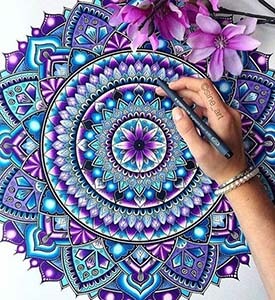
We can make mandalas with colored pencils, felt-tip pen, watercolor, oil paint, on paper, on wood, on stone …
can be applied to almost any technique, device and surface.
If you are making a circle shape, you should use a spinner and sometimes it is a good thing if the ruler is at hand, if you want to draw something very accurately. But what I can do is try to sketch it by hand.
Many people like to be quiet at work, but with quiet meditation music and a fragrant candle or incense can help to get deep immerse into the work.
Cheaper than a psychologist, you will get better from it sooner or even great as a gift!
Traditional mandalas consist of 3 circles. The smallest circle in the middle symbolizes the center, the next is the subconscious, the outer, and the largest, the personality. You must always draw and paint from the inside out. The essence of the mandala is that everything comes out of the center.
Religious and spiritual traditions have long used these patterns to expand consciousness and heal. In Buddhist culture, he got the greatest role in the not too old history. The mandala is not always circular, but it is always a condensed copy of the outer and inner universe.
Regular, rhythmically repeating patterns are able to influence the energy system of living organisms, set them to the right wavelength, and create a harmonious connection between the hemispheres.
It calms, regenerates, and initiates the body’s self-healing ability. It increases brain capacity, helps to understand relationships, learning, and is capable of developing skills. Mandalas raise the energy level of man. Each mandala radiates colors and lights.
ZENTANGLE, DOODLE, DRAW MEDITATION ?
In today’s fashionable adult colorants, we can often encounter mandalas. Someone who loves them and who does not. Yet these mandalas affect our spiritual and spiritual development. The more we get into such a meditative state, the more balanced we become. The anxiety and stress are falling.
In today’s fashionable adult colorants, we can often encounter mandalas. Someone who loves them and who does not. Yet these mandalas affect our spiritual and spiritual development. The more we get into such a meditative state, the more balanced we become. The anxiety and stress are falling.
The experience can be enhanced by not only coloring the mandala, but also making ourselves. When drawing the samples, let our interior lead. It’s a wonderful inner journey. If you haven’t tried it, start it.
Google is your friend, use it::
- mandala
- simple mandala patterns
- healing mandalas
- abundance mandalas
- love mandalas . . . . . .
you will find tons of beautiful mandalas
FIRST HOMEWORK: download some mandala you like, print out and color them
SECOND HOMEWORK: I suggest that after looking around and after some practice, try to draw your own! But be carefull you can quickly love it and not able to stop doing 🙂

IN NATURE
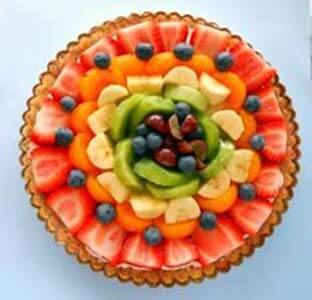
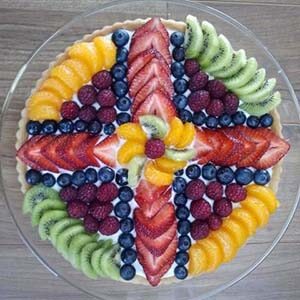
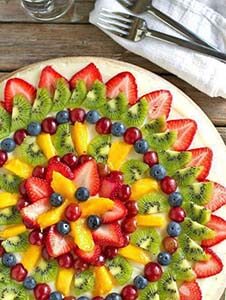
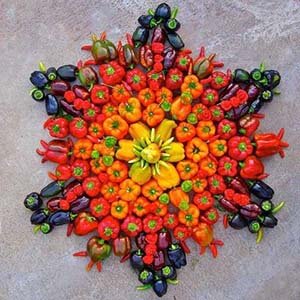
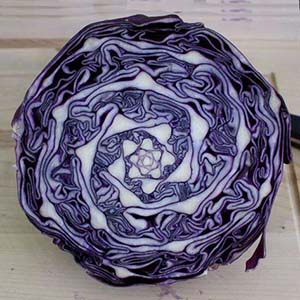
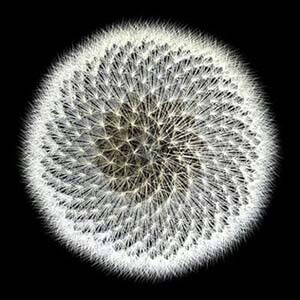
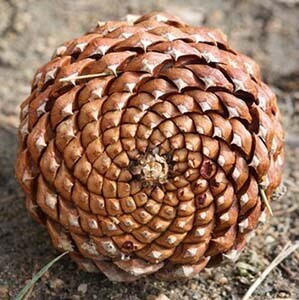
ARCHITECTURE
Mandala has played an important role in Eastern and Western cultures and ornaments. In nature it can be discovered in the form of creatures and colors.
Cave drawings, 7-8,000-year-old Mesopotamian patterns, Inca, Mayan, Buddhist, Celtic, Arabic art, and temple architecture can always be found.
The rose window or window rose on the Roman and Gothic churches above the main entrance – large window with ‘spokes’ structure., rarely above the side entrances. Its structure in Gothic has become increasingly complex.
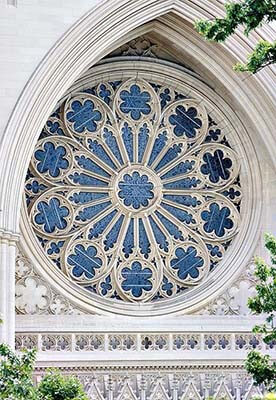
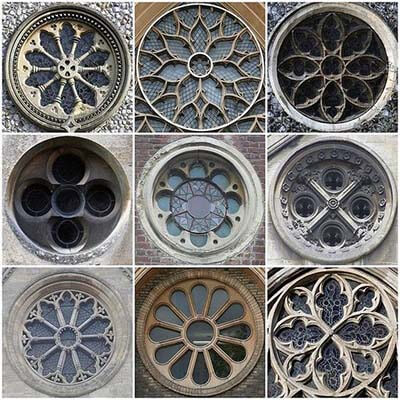
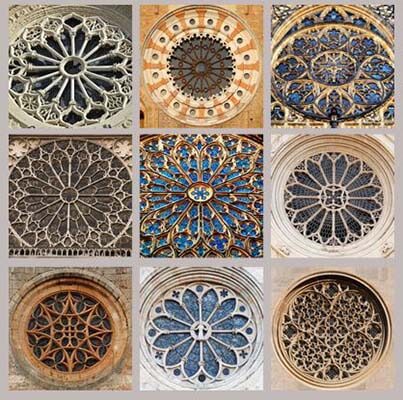
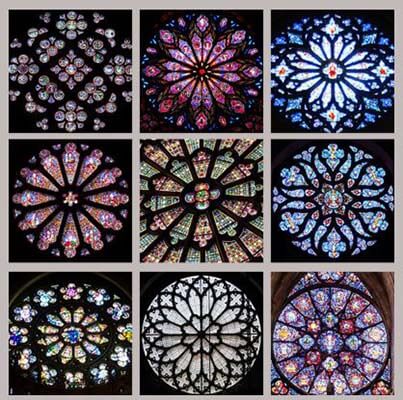
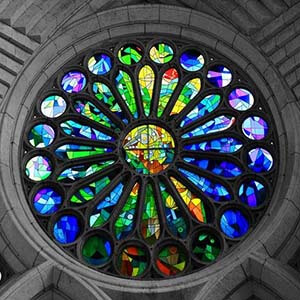
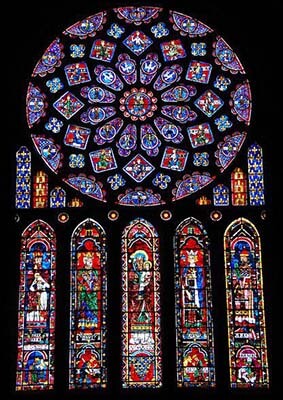
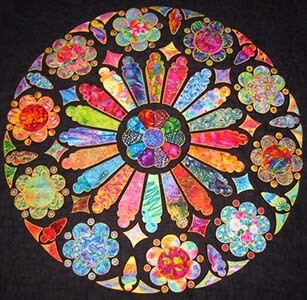
e.g.:, Notre Dame Paris, Budapest, Agricultural Museum, Gothic window of Esztergom Castle
Flower of life
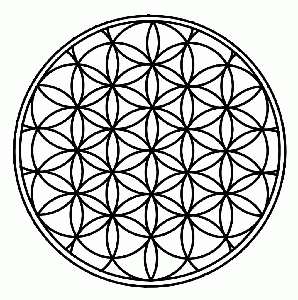
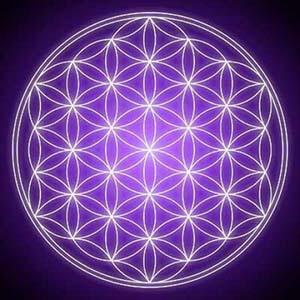
What is the flower of life? I’ve been asked this question many times and I try to answer it the best I can. In short: This symbol called the “Flower of Life” or “life’s flower”
consists of 19 overlapping and interconnected circles. It always consists of 19 circles – no more and no less.
The Flower of Life originates in one circle and all other circles are built up around that. That means you begin by
drawing one circle and then continue drawing all the other circles around it. This symbol of the Flower of Life belongs to Sacred Geometry which believes that all life is part of a divine, geometric plan. All structures known to us are following this plan. Evidently, the Flower of Life is a very important geometric symbol.
The Flower of Life’s harmonic circular structure seems to magically attract us. As if this ornament is constantly changing, if you look closely, many different forms and patterns become visible. This is what it felt like for me when I started to study the Flower of Life. I observed the symbol and detected so many different things. If you then start using colors and paint the Flower of Life you will discover so much more.
Just like many other symbols and ornaments the Flower of Life carries a hidden message
If you connect the several intersections you will get a new picture. This new ornament is called the Metatron’s Cube.
Metatron’s Cube contains all platonic solids such as Tetrahedron,Cube, Octahedron,Dodecahedron and Icosahedron.

Platonic solids in Metatron’s Cube

Platonic solids
If you look close enough you will discover these platonic solids within Metatron’s Cube. In his book “The Flower of Life” Drunvalo Melchizedek talks of a so-called “Merkaba”, a star tetrahedron. This symbol can also be found in Metratron’s Cube. Following Drunvalo Melchizedek, the Merkaba is the energy field that surrounds us.
Drunvalo Melchizedek says that the most people’s Merkaba is not activated anymore. He explains in his book how the Merkaba can be activated again.
What is Sacred Geometry then?
Sacred Geometry = Harmonic (Whole) Proportions of the Earth
Sacred Geometry reveals the harmonic energy patterns by which nature creates and designs.
Sacred Geometry is a vital element in all spiritual traditions. Every tradition used a unique symbolic language to preserve their knowledge about the Geometry of the Universe and its design.
Christians = Cross
Jews = Tree of Life (Kabbalah)
Celts = Spirals, Triskele
Hindus = Sri Yantra, Swastika
Chinese = Yin Yang
One example for the importance of the Flower of Life in various religions (here Kabbalah)

Tree of Life – Judaism
In the Kabbalah every circle is aligned with one chakra, called Sephirot. Every chakra represents a certain space of energy in the human body. The Kabbalah symbolizes the flow of energy in human bodies. If this flow of energy is blocked the energy can’t move freely.
The Flower of Life is of importance to many other cultures that either directly or indirectly knew of its meaning.
Leonardo da Vinci and the Flower of Life
Leonardo da Vinci studied the Flower of Life and its mathematical properties. He drew the Flower of Life and various components such as the Seed of Life. In his artwork, da Vinci drew geometric figures and forms such as the platonic solids, a sphere, a torus and many more as well as the Golden Ratio of Phi. All of these forms can be derived from the Flower of Life.
Here are some of Leonardo da Vinci’s drawings:
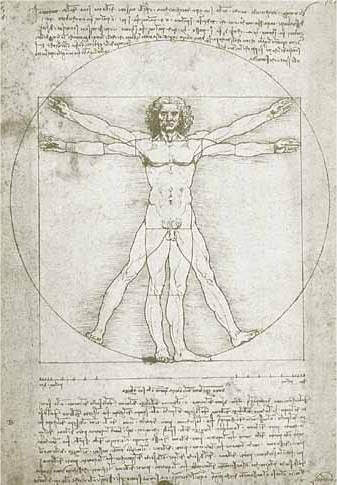
Leonardo da Vinci‘s Vitruvian Man
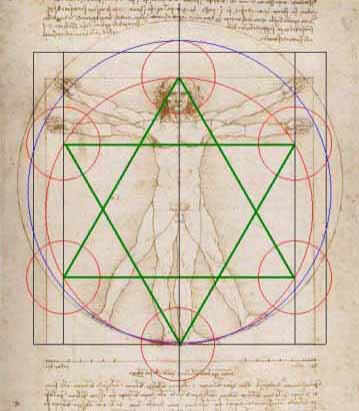
Star of David Merkaba
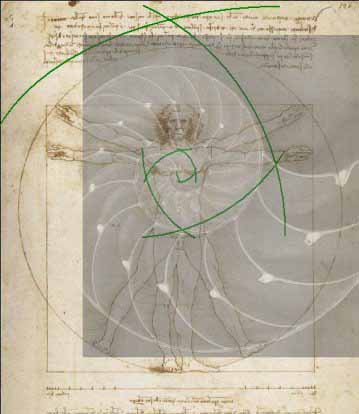
Sacred Geometry Golden Ratio – Fibonacci Spiral
IT CAN BE FOUND
Throughout history, the Flower of Life has been an important meaning for many cultures worldwide. It can be found in churches, art and manuscripts all over the world. The following list lists some of the places where the symbol was observed.
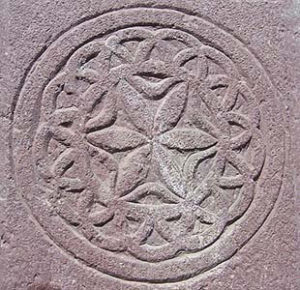
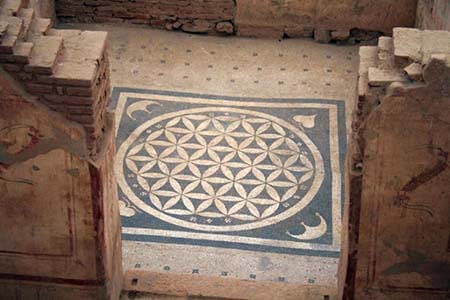
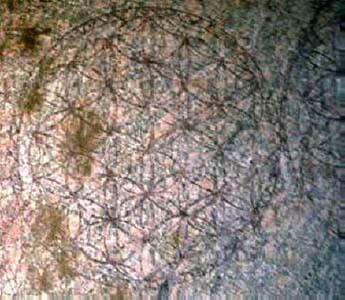
- Asszíria – Assur-bán-apli temple
- Egyipt – Ozirisz temple in Abüdoszban, and Sínai-mountain
- Hungary – at Karpat mountain
- Izrael – Maszadában; ezenkívül az Izrael Múzeumban egy freskón (Heródes király egyik palotájából származik a mű).
- China – Peking, in the Forbidden City and many more temple
- Japan – in many temples
- India – at Harmandir Sahib(Golden Temple); Hampi and Adzsanta temple
- Turkey – many ancient roman place; Epheszosz; Iznik
- Spain – at Monasterio De La Oliva, Iglesia de San Martín (Izco, Navarra); Córdoba
- Ausztria – Weitra, Pfarrkirche (Bad Deutsch-Altenburg)
- Norvay – Oslo, at Norsk Folkemuseum; at Hordamuseet
- Italy – Erbanno.
- Armenia – at Tatev Monostor, Ahtamar-island, at the wall of temple
- Íreland – Clonmacnoise
- Danmark – Brædstrupn, at Tønning Temple
- Bulgaria – Kabile (Jambol); a Demir Baba Teke mauzóleum; Plovdiv, at Etnography Museum
- North-Afrika – Marokko
- Near East – Libanon, and many islamic mosque ; Syria, Ruweiha ancient temple
- South America – Peru
- Mexico
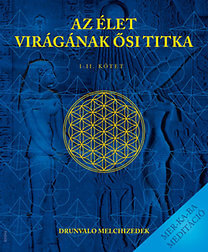
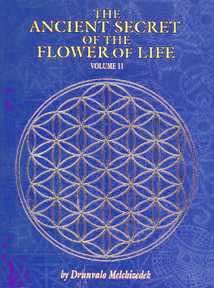
I suggest this book I read in 2008 more than 10 years ago but it changed my life then
Drunvalo Melchizedek:The Ancient Secret of the Flower of Life I-II.

I wrote you at MAGNOLIA lesson that 2 years ago I made a FLOWER MANDALA from the falling magnolia petals amd other materials I find in the garden.
It takes a little time but a very good feeling to make it. It is a good fun in the forest or in the beach during vacation from stones, shells, branches, leaves, crops anything you find in the Nature. This is what makes it NATUREART 🙂
Try it pls. Even kids love it, it is a good task the searching and the making as well.
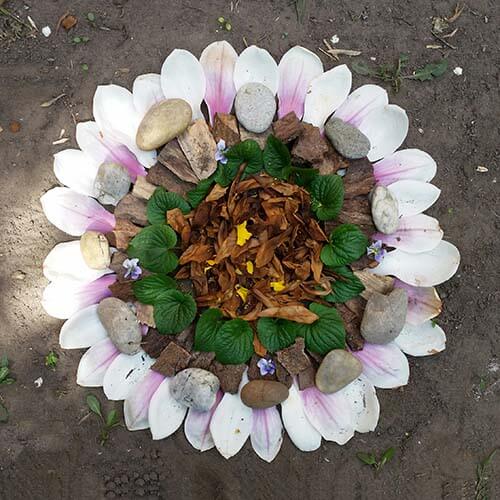
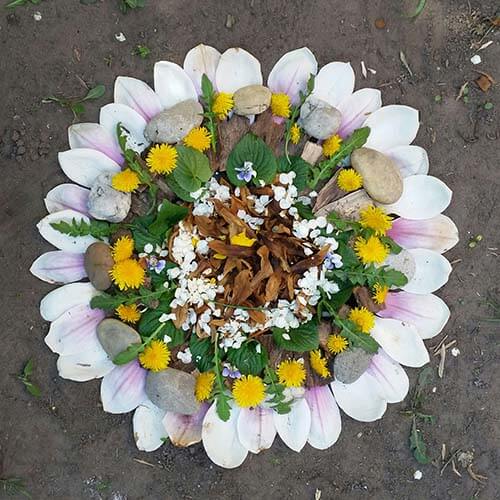
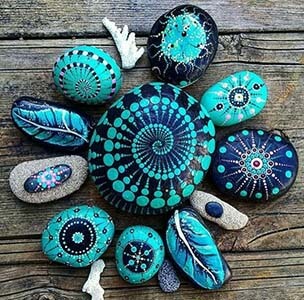
Some photos from net
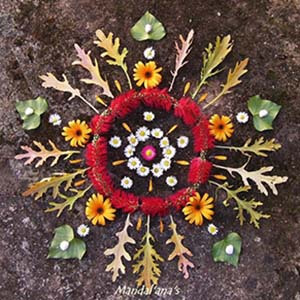
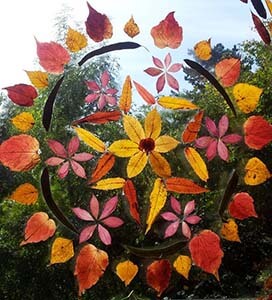

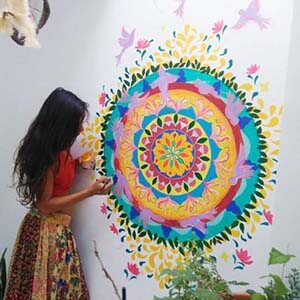
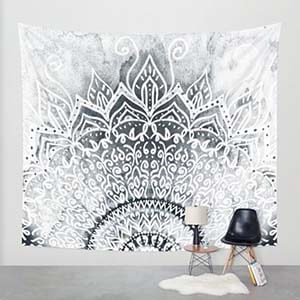
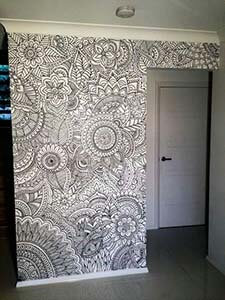
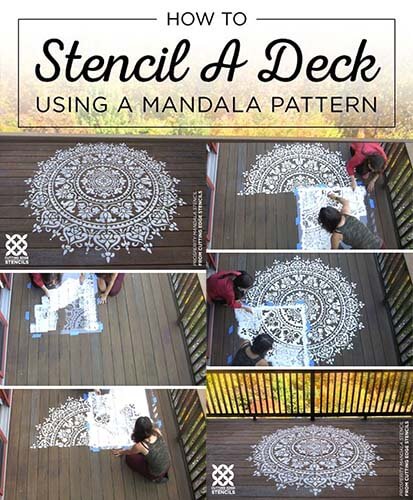
WALL ART – PAINT ON THE WALL
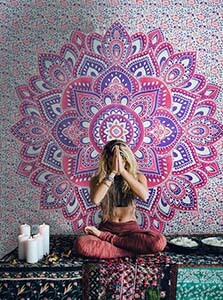
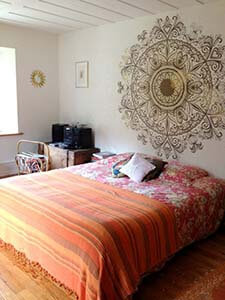
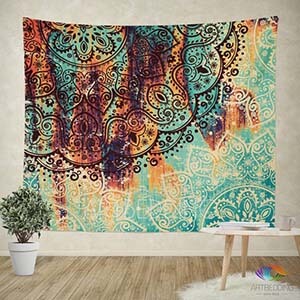
PAINT ON WOOD
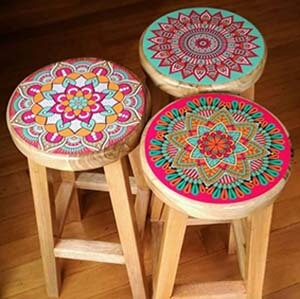
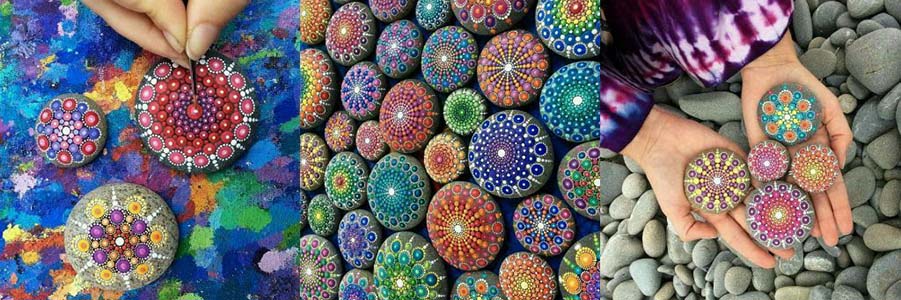
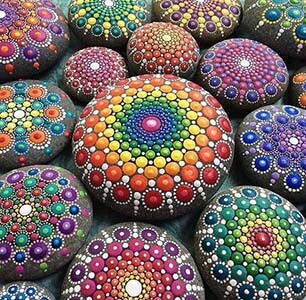
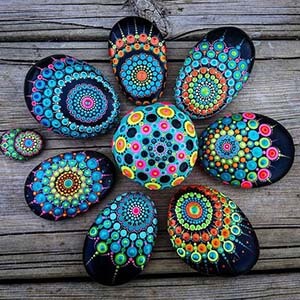
PAINT ON STONE
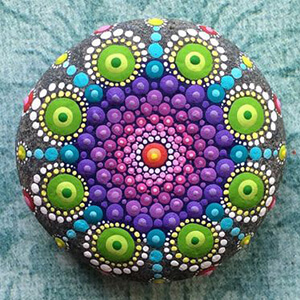
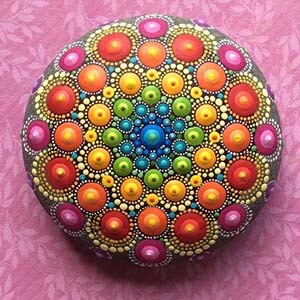
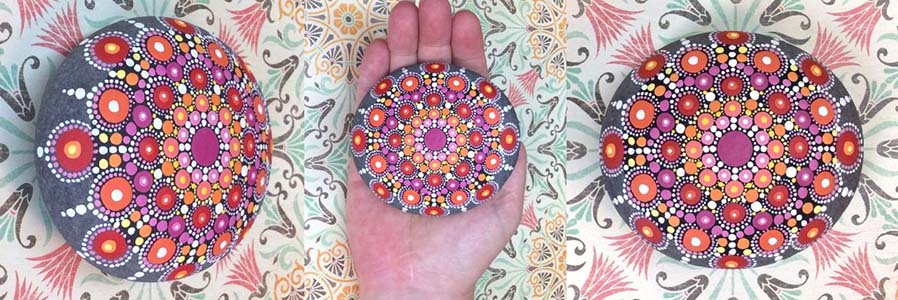
PAINT A PICTURE
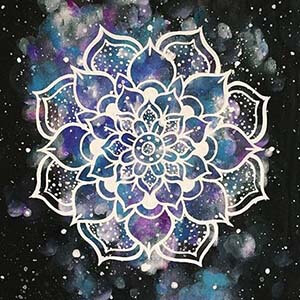
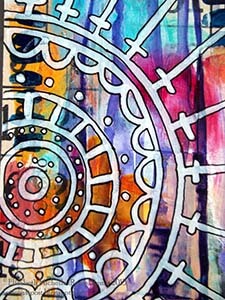
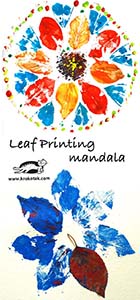
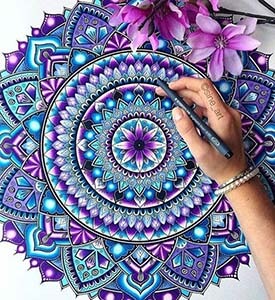
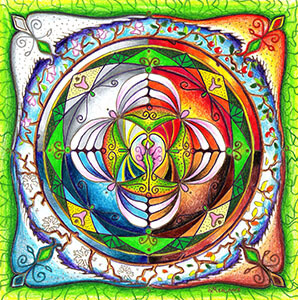

There are lot on internet, here are some great links:
- printable coloring HERE
- google is your friend
- free mandalas her PRINTMANDALA
- free mandalas SUPERCOLORINGEN
- and on FREEMANDALA and HERE TOO
- MANDALAFORFREE
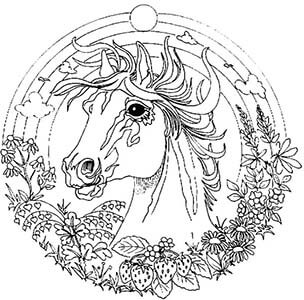
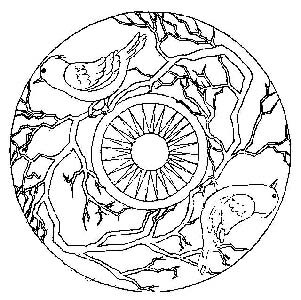
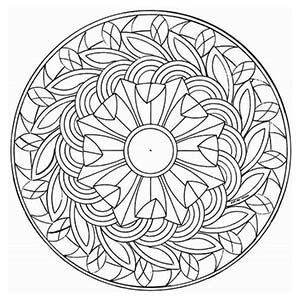
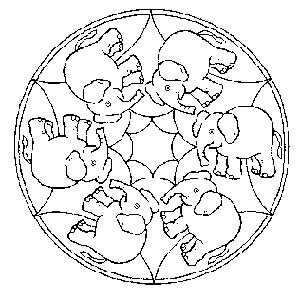
look at the photos I collected for you on my pinterest album
pictures are mine or from pinterest.
Do you like coloring mandalas? Did you try to draw your own mandalas?
What do you think is it a relaxing time or make you nervous to coloiur or draw tiny things? 🙂
We will put together our mandalas with feathers and maybe some totem animals and create our own dreamcatcher next week!
I would be very happy to see your painting will you upload them to the fb group?
and to the instagram with this hastag: #natureartwithildy #natureartsummer – hashtag your work from the course and follow hashtag to see what other students are creating! Follow me on Insta HERE. Happy creating!