
Wonderful friends,
Feel free to write if you have any questions or wishes or opinions. We are not the same and my goal is to help you, I’m grateful for all the feedback!
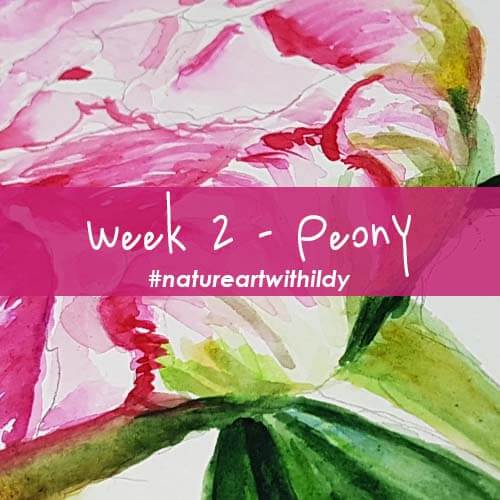
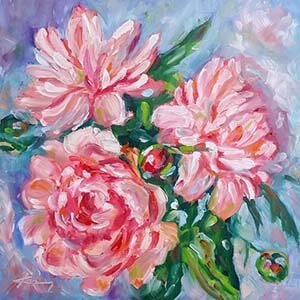
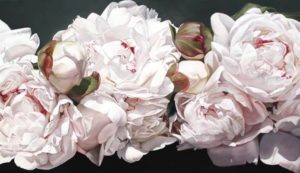
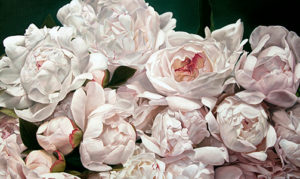
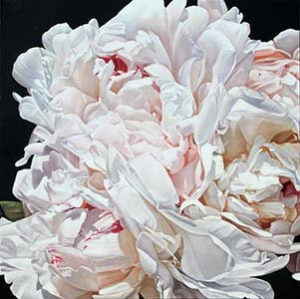
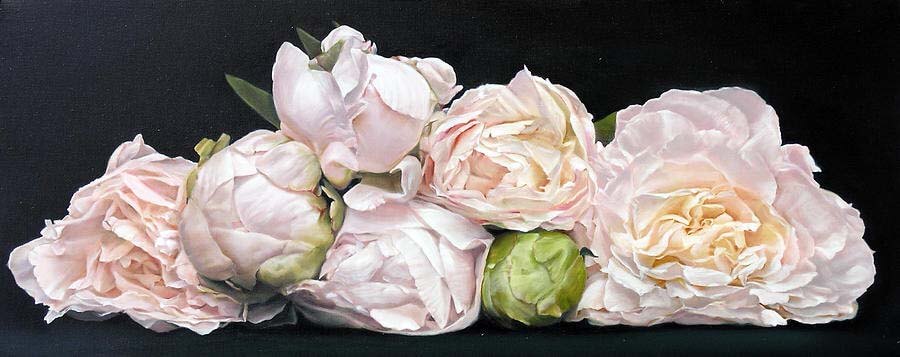
This week’s theme is PEONY.
 This flower was the favourite of my grandmother.
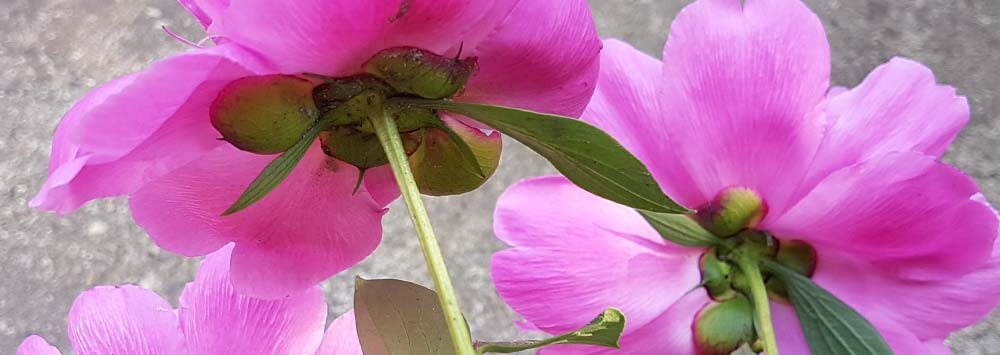
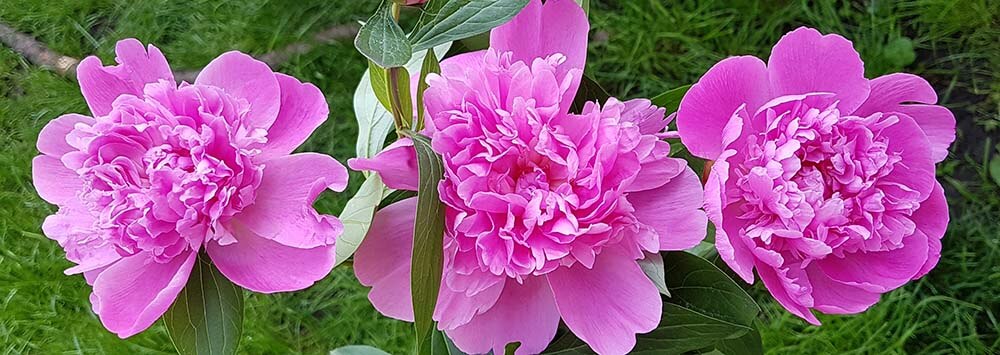
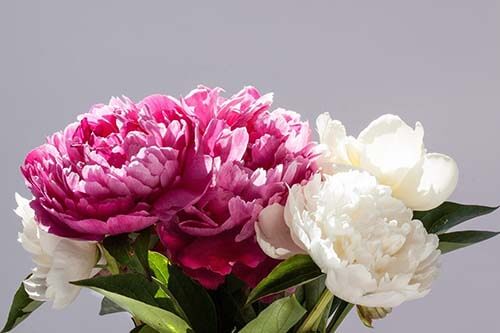
In my Mom’s garden there is a bush, 2 years ago there was only 5 flower lat year was 12 buds but now there were many on it. My Mom gave a bouquet to me and blooming in the vase. The buds are blooming in the vase too.
It is blooming here in the gardens and in front of some houses on the streets. I have seen white too.
(We live in Budapest, on the XV district in a garden houses area, but we are about 7 km from Parliament and the downtown 🙂 small city compared to the cities in the USA)

The peony or paeony is a flowering plant in the genus Paeonia, the only genus in the family Paeoniaceae. They are native to Asia, Europe and Western North America. Scientists differ on the number of species that can be distinguished, ranging from 25 to 40,although the current consensus is 33 known species.
Most are herbaceous perennial plants 0.25–1 metre (0.82–3.28 ft) tall, but some are woody shrubs 0.25–3.5 metres (0.82–11.48 ft) tall. They have compound, deeply lobed leaves and large, often fragrant flowers, in colors ranging from purple red to white or yellow, in late spring and early summer.
Because of he blooming period during Pentecost from May to June received the other name in Hungary pünkösdirózsa (pentecost rose). The freshness and colorful, often fragrant plant symbolizes the renewal of the soul and the fulfillment of the garden. It is a popular garden plant, but on the side of Zengő it also grow as wild. (Zengő is the highest point of the Mecsek mountain in south Hungary)
Most are deciduous soft-stemmed species, but there are shrub-like species, all of which live in China. Their leaves are scattered, unparalleled in their wing. Their flowers are usually lonely, large, white, yellow, pink, red or purple. The crop is a follicle opening on the abdominal side, the core is large, red or black.
The peony is a herbaceous perennial with a strong rootstick, but some of the varieties are elongated, even with deciduous shrubs. In China, approx. 2000 years ago it was grown as a herb. It spread in Europe in the early Middle Ages as a medicinal and ornamental plant.
His Latin name, Paeonia, is derived from the name of Paion, a physician healing the gods of Greek mythology.
Her extract from her roots includes paeoniflorin, which heals jaundice, kidney and bladder, and rheumatism. The root extract of white and red-flowered peony is still used in homeopathy today. Every part is poisonous, so home medical use is not recommended.
In China it has been the symbol of prosperity, luck and wealth for thousands of years.
Meaning
The peony has two opposing myths that account for its contradicting meanings. In one the origin of compassion can be found; in the other the more negative connotation that developed in the Victorian age is displayed.
In one tale, the peonies get their name from the Greek word Paeon. In Greek mythology, Paeon was the physician to the gods who angered his teacher Asclepius after he extracted a milky liquid from the root of a peony that cured Pluto. Asclepius was the god of medicine and healing. He threatened to kill Paeon out of jealousy because he was outsmarting his teacher. Zeus saved him by turning him into a beautiful flower, the peony.
Another myth links the name peony back to a nymph named Paeonia whose beauty attracted the attention of Apollo. Out of spite, Aphrodite turned her into a peony. This legend is likely what led to the flower’s meaning of poor luck in the Victorian age.
Meanings in different cultures:
- With its importance as the official emblem of China, the flower plays a large role in holidays and traditions like Chinese New Year. The Chinese name for “most beautiful” translates to peony.
- The peony has a strong tie to royalty and honor in Eastern culture.
- In contrast, the peony gained a reputation for bashfulness because legend had it that nymphs would hide their naked forms by turning into peonies.
- In the Victorian ages, it was considered unlucky to dig up a peony. If you did, Victorians believed fairies would curse you.
- The peony is also the Indiana state flower.
History
Peonies have been growing in Eastern gardens for over 4,000 years. As the imperial symbol, the flowers were spread across the country as different emperors moved their courts. They reached Japan around the beginning of the eighth century. They were also revered for their beauty and further hybridized.
In Europe, herbaceous peonies are a part of ancient Greek mythology and are highly regarded for their medicinal properties.
The root, bark, seed and flowers were all believed to have medicinal uses in eastern Asia and Europe. Ancient Greeks and christians from the Middle Ages believed peonies were a symbol for healing. They were used to treat stomach pains, bladder issues, jaundice and even nightmares.
Propagation methods:
According to Engstrom, peonies can by propagated by: seed, division, root cuttings, grafting, and layering.
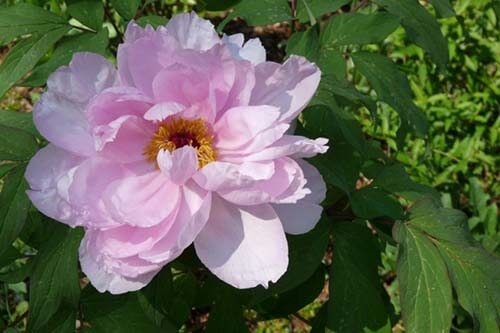
The Peony family has a herbaceous perennial plant or woody shrub that can reach a height of 30-200 cm. Its large red, pink, white or yellow flower originally has five members, but nowadays we see more full flowered individuals. It has a black, glossy seed follicle.
Peony is not a demanding plant. He has good drought and is well tolerated: we can see it up to 1700 meters in the Alps!
It loves loose soil and the sun, but he does not wear it well if he is transplanted, shivered, and does not bloom for a long time. Propagated by division, the ideal time for this is August. Its healing parts are its inflorescences and its roots
Woody peony
The most elegant and in garden in the spring is the beautiful woody peony. Its huge bush open its plate of flowers at the beginning of April fill the whole bush. He wants great space, a protected place, a good, fertile soil, but he boasts up to 30-40 years.
Its propagation is not an easy thing, because it has to be vaccinated and does not bring shrubs; therefore, you should buy it in a garden store and plant it in October so that the place of vaccination comes under one or two fingers below the surface of the soil.
Peony
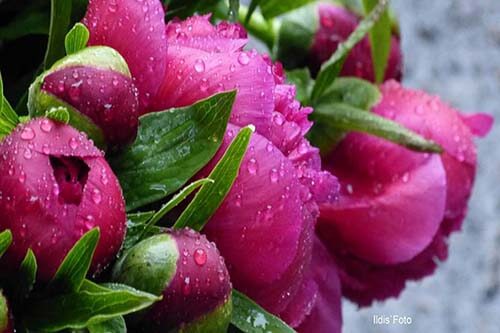
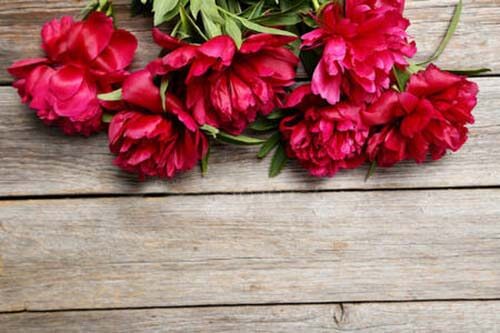
The perennial peony, later in May and June, opens its white, pink, red flowers, which are excellent for cut flowers.
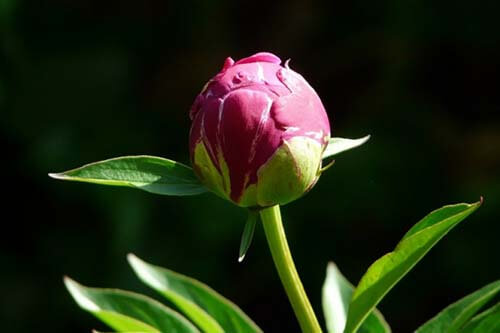
It doesn’t like transplanting, so has to choose its place carefully and soon, even before the early autumn frosts.
FOR HEALTH:
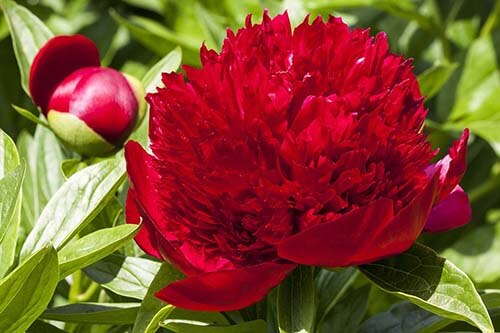
The red peony, called in Latin Paeonia officinalis, attracts the eyes with its large and colorful, primarily red flowers.
Herbal remedies known from ancient times
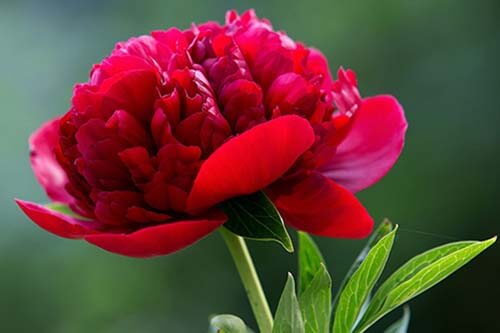
However, few people know that red peony has healing effects. The Latin name of the plant is derived from the name of Páion (the physician of the Greek gods) who, according to tradition, healed with the healing power of red peony.
The healing power of the red peony is mentioned by older Pliny, a well-known Roman naturalist, as well as the famous Dioscorides and Galénos Greek doctors. Medieval herbarias also describe its healing effects, including the well-known P. A. Matthioli’s Botanical Herbarium of Sienna.
.
In the antique world, the peony – primarily the dust of the root and the petals of the flower – was also blended into the popular love potions of the age. Arab doctors recommended it as a remedy for diabetes. It was also known in China i.e. 2000 and is also listed in the Chinese Pharmacopoeia
Primarily the extracts from the root were used against jaundice, kidney and bladder and rheumatism. Peony originates from East Asia, where it is respected as a traditional herb in both Chinese and Japanese cultures.
In ancient times, they were mainly cultivated in monasteries (also used for flower decorations, for example, during the day of the Lord’s Day). In some European countries today it is a protected plant. The Chinese and Japanese cultivated plants are only were known at the beginning of the 19th century in Europe , but since then peony has become a popular garden plant, ornamental.
To gather flowers in May and June, its roots must be in September and October. Brush leaf (collect red) at noon and spread it in a thin layer in a shady place for drying.
After washing the roots, it is recommended to dry it in the shade (max. 40 ° C). Dried flowers contain anthocyanin red dye, mucus and glucose, and in the root system alkaloids, tannins, starch, sucrose, organic acids, and so on, can be found.
Peony has been used in folk medicine since ancient times to treat digestive complaints, urinary tract, irregular and painful menstruation. Proven red peony antispasmodic effect: relieves pain as well as cramps, menstrual cramps (especially for fine muscle), improves uterine tone, asthma, kidney and bile ducts (studies prove that it helps kidney and gallstone removal), relieves headaches, beneficially six hemorrhoids and borreliosis (Lyme borreliosis: tick-borne infection), and epilepsy.


Peonies only bloom for a short time, from April to June, making them hard to find the rest of the year. Opulent, lush, and whimsical peonies have a captivating scent and make a statement in every arrangement. Unlike many other flowers, they are so fluffy and full that they can make impressive bouquets all on their own.
But while peonies’ beauty is self-evident, their long history is less obvious. Keep reading to discover 12 interesting facts about peonies that will make you love these stunning spring blooms even more than you already do.
- 1. Legend has it that the Peony is named after Paeon, a student of the god of medicine Asclepius, from Greek mythology. Zeus transformed Paeon into a beautiful flower to save him from the wrath of his teacher Asclepius who wanted to kill him out of jealousy. Maybe turning Paeon into a flower wasn’t the best way out, but it can’t be all bad if it gave us the peony!
- 2. Peonies are native in Asia, Southern Europe, and Western North America, and generally, need cool climates. This explains their exceptionally short growing season.
- 3. The best time for planting peonies is in early fall before the ground freezes.
- 4. While peonies in vases only live 5 days, if cultivated properly, a peony can grow in your garden for up to 100 years blooming annually!
- 5. Peonies come in pretty much all of the colors of the rainbow, except blue. Interestingly, the pink peonies are more fragrant than any other variety.
- 6. While too much potassium might not be good for you, it’s perfectly fine for peonies. In fact, peonies love potassium because it’s essential for their stem strength and helps to resist disease.
- 7. The nectar that forms on the outside of the flower buds tend to attract ants that actually play an important role in the way peonies bloom. Basically, in order to get to the nectar the ants help to open the buds. Although peonies will bloom without ants, the ants speed up the process and also help to keep damaging insects away.
- 8. Depending on the variety, peonies can grow very large – sometimes reaching 10 inches in diameter (that’s as big as a dinner plate)! The older the bush, the bigger the blooms usually grow.
- 9. The peony is the state flower of Indiana, the national flower of China, and the 12th wedding anniversary flower.
- 10. As the national flower in China, peony (which means “the most beautiful” in Chinese) is a symbol of peace, stability, success, and prosperity. For this reason, it is very popular in Chinese art. Paintings of peonies are often used in homes and offices and are believed to bring good luck. There was even a time when peonies were even considered a luxury and would cost thousands of dollars to buy even one flower stem.
- 11. Peonies in shades of pink and white are a symbol of good fortune and a happy marriage. They embody romance and love, and are one of the most popular flowers used in wedding bouquets.
- 12. It’s best to buy peonies still in buds instead of open blossoms to increase their longevity. Warmer temperatures help them open more quickly, while they will remain closed longer in cooler areas.

Some 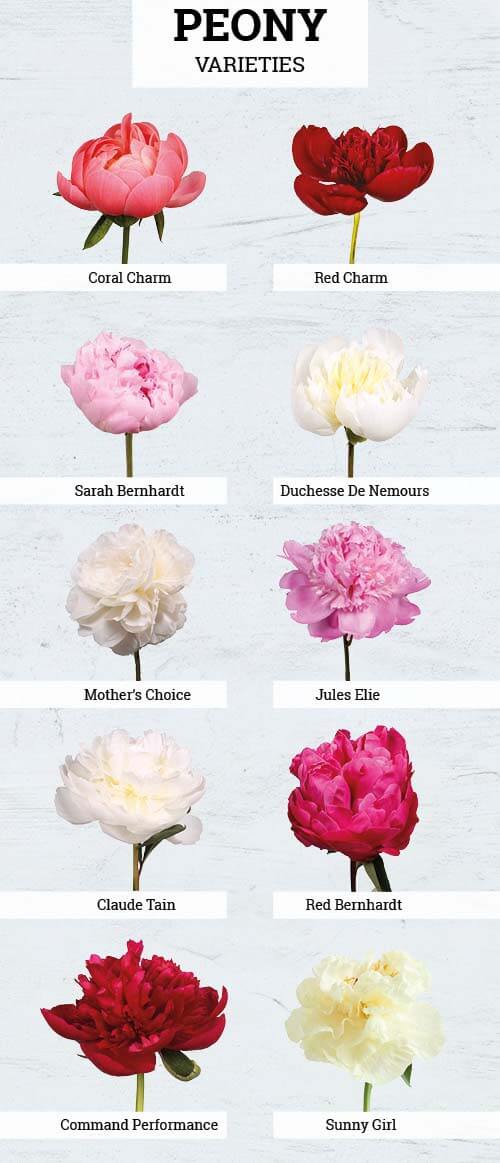 Peony Varieties
10 most common
- Peony Coral Charm – Coral Charm has a stunning coral color when the flower opens up, and this is slowly transforming into a light peach.
- Peony Sarah Bernhardt – Probably the best known Peony variety is this light pink colored beauty.
- Peony Duchesse De Nemours – Looking for a reliable white Peony for your designs? Duchesse is what you need!
- Peony Mother’s Choice – Mother’s Choice is also a stunning white variety, and even with a double flower.
- Peony Command Performance – A real novelty variety! The supply of this gorgeous variety is still little, but we are happy to say that we can offer you during the season. Command Performance has a really big flower and is stunning when the flower opens up.
- Peony Red Charm – Red Charm – the name already says it all – is a charming, deep Bordeaux red colored Peony variety. Perfect for bohemian, rustic designs that need a bit of contrast.
- Peony Jules Elie – Jules Elie is one of two tints darker than the well-known Sarah Bernhardt. This Peony matches very well with other pink flowers!
- Peony Claude Tain – Another filled white Peony, which is great to use in wedding designs.
- Peony Red Bernhardt – This is the darker variant of Sarah Bernhardt, and this one also looks absolutely breathtaking!
- Peony Sunny Girl – This is quite a new variety available on the market. The soft, sunny pastel yellow color makes that this is really something.
Flower types
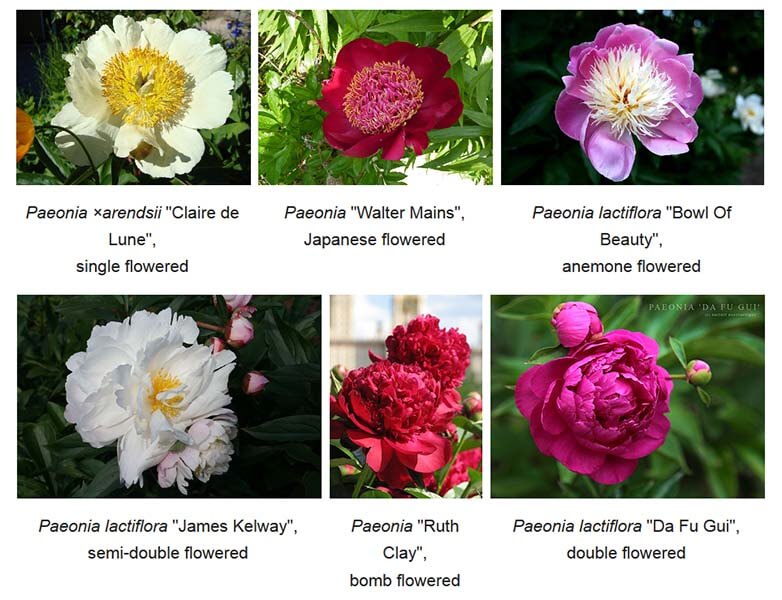
Six types of flower are generally distinguished in cultivars of herbaceous peonies.
- single: a single or double row of broad petals encircle fertile stamens, carpels visible.
- Japanese: a single or double row of broad petals encircle somewhat broadened staminodes, may carry pollen along the edges, carpels visible.
- anemone: a single or double row of broad petals encircle narrow incurved petal-like staminodes; fertile stamens are absent, carpels visible.
- semi-double: a single or double row of broad petals encircles further broad petals intermingled with stamens.
- bomb: a single row of broad petals encircles a shorter dense pompon of narrower petals.
- double: the flower consists of many broad petals only, including those which likely are altered stamens and carpels.

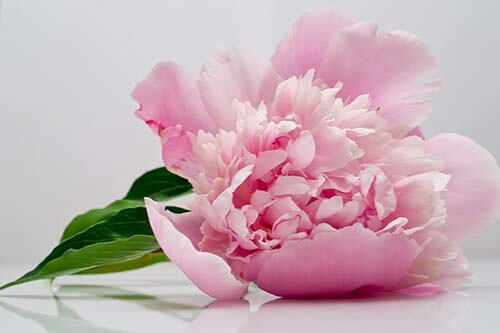
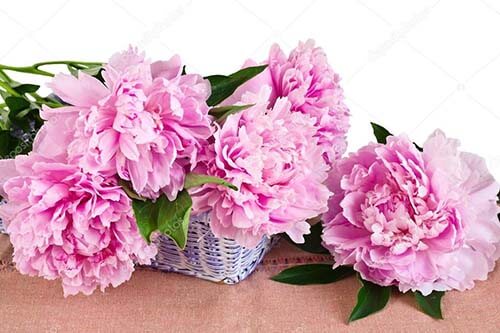
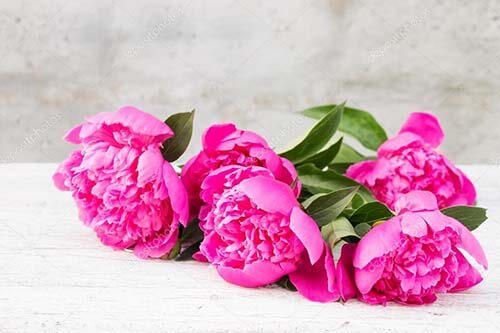
 .
.















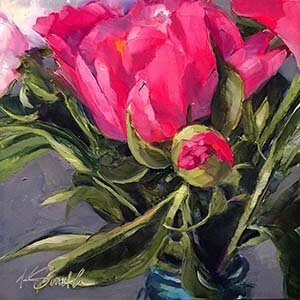
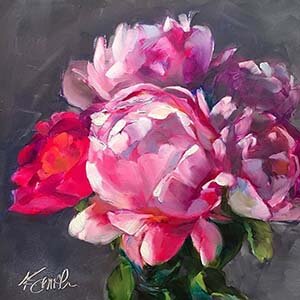
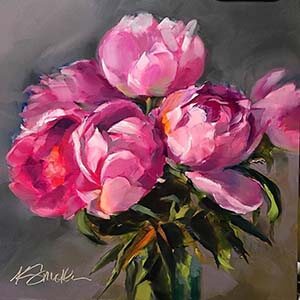

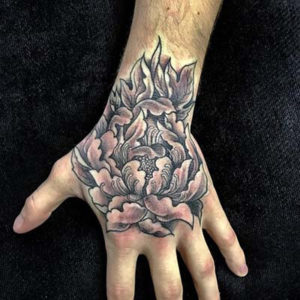
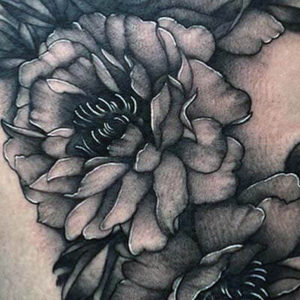
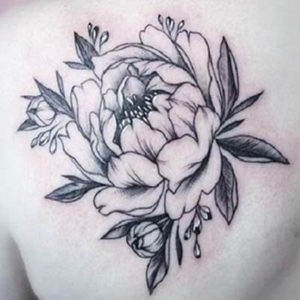
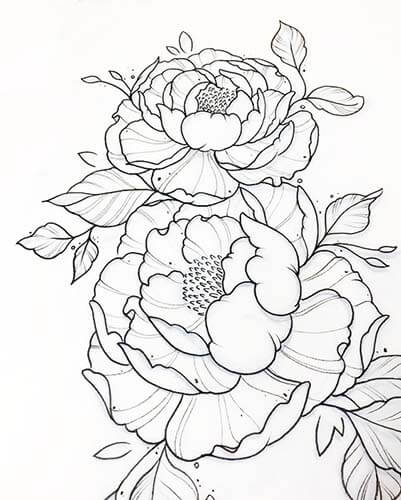
TATTOOS
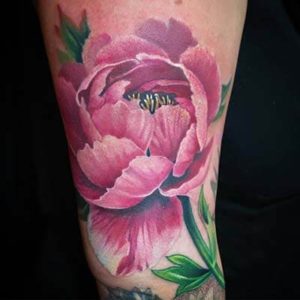









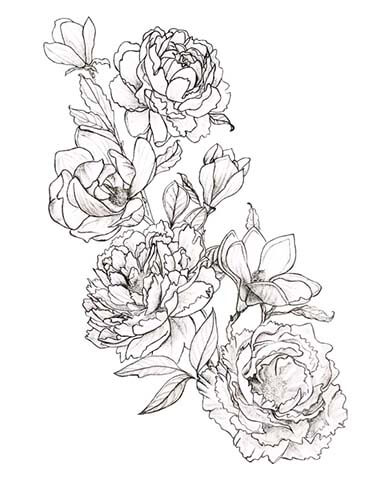
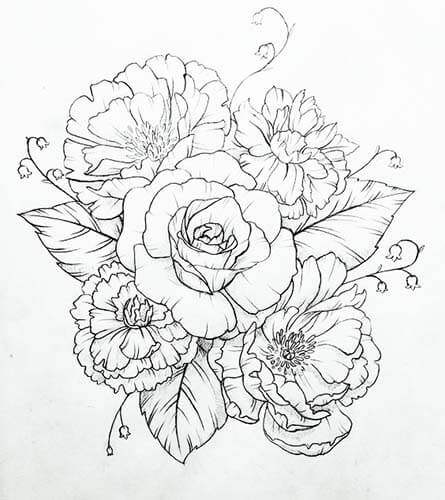
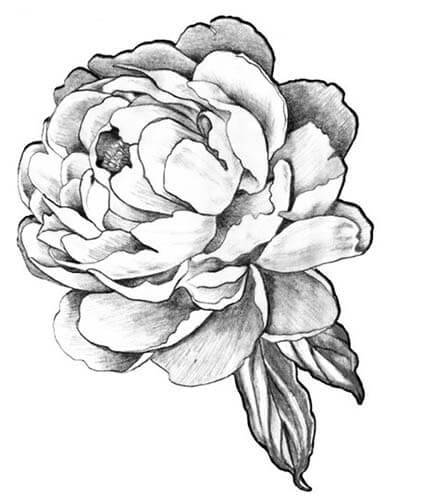
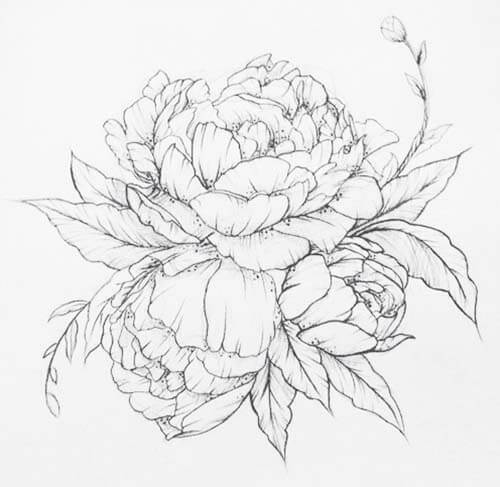

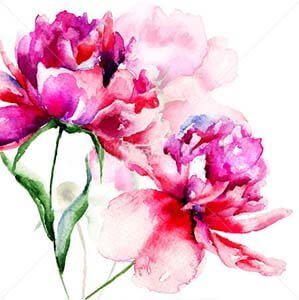
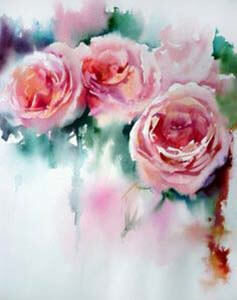
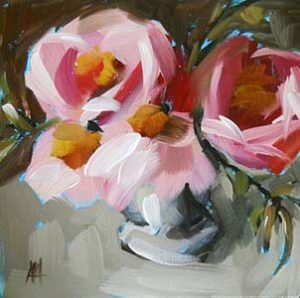
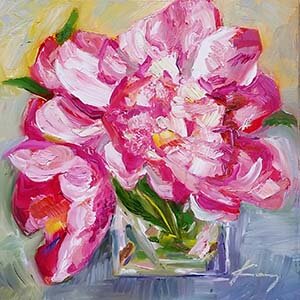
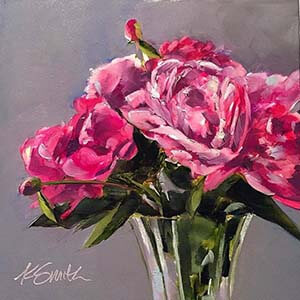
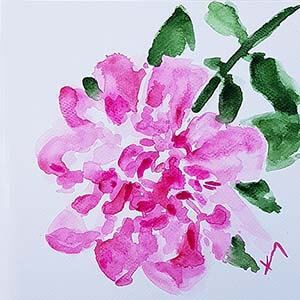
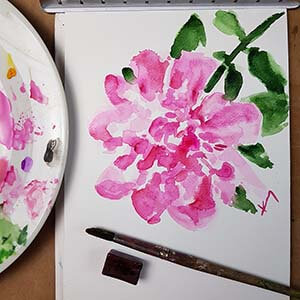
 EASY AND LOOSE PEONY
Supplies:
- 18x24cm 300gr aquarell paper
- aquarell paints (Violet rose, carmin, green)
- brushes small and large (12,10, 2, 3, any you have)
reference photo, my Mom’s flower 🙂
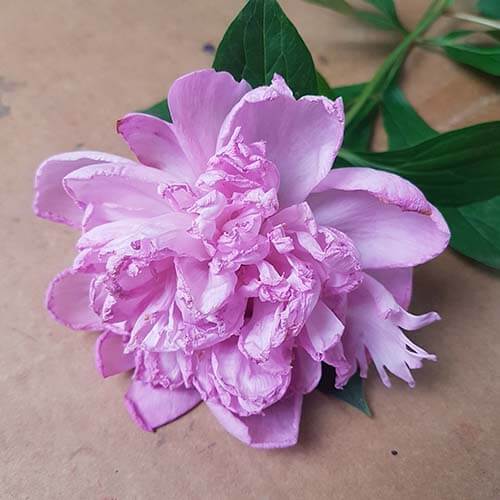
ready painting
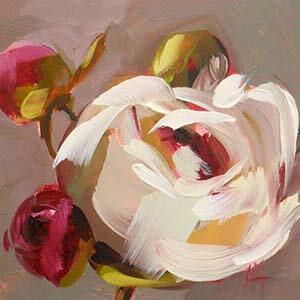
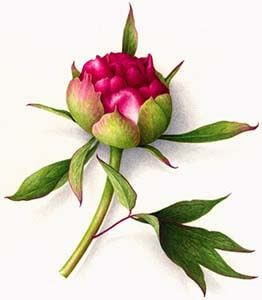
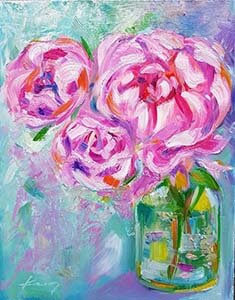
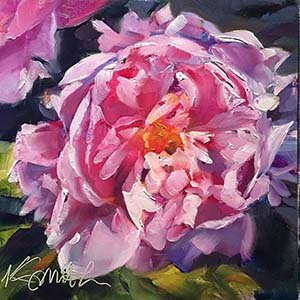
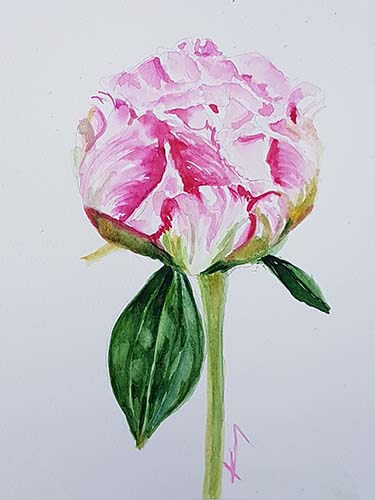
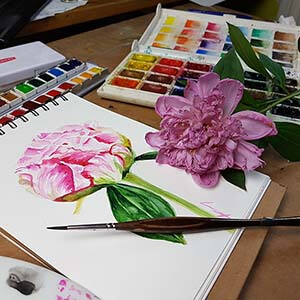
 PEONY BUD
Supplies:
- 15x20cm 300gr aquarell paper
- aquarell paints (violetrose, carmin,, yellowochre, green )
- brushes small and large (2, 3,, 6 any you have)
reference photo
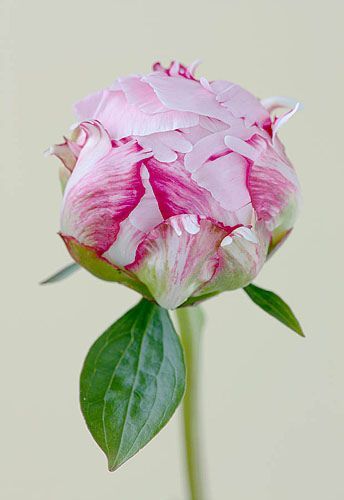
ready painting
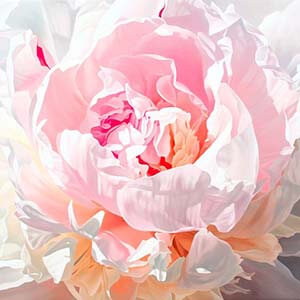
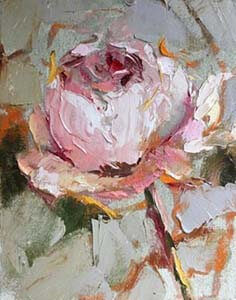
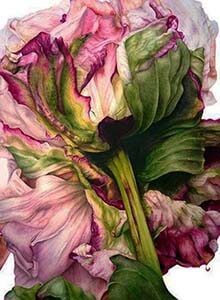
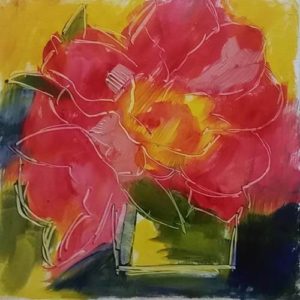
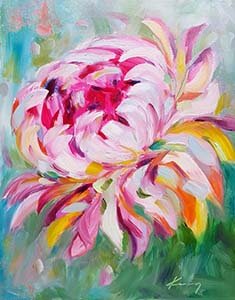
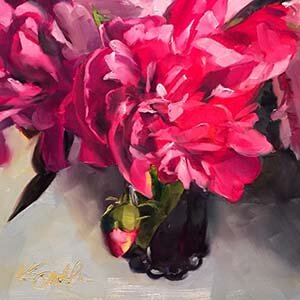
Supplies:
- 30x30cm 300gr aquarell paper
- aquarell paints (warm red, orange, yellow, green blue)
- brushes small and large (12,10, 2, 3, any you have)

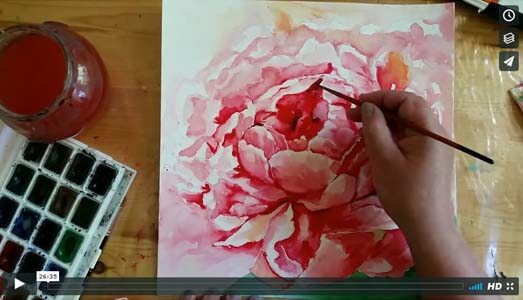
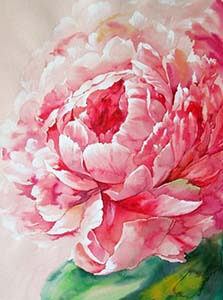
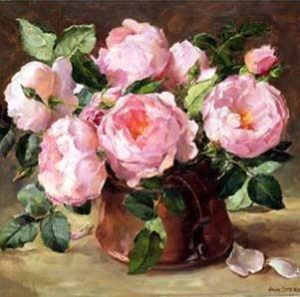
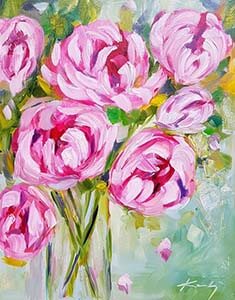
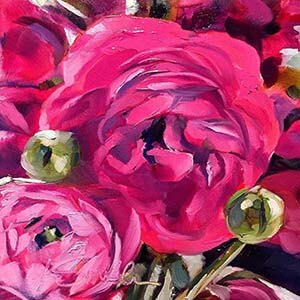
Supplies:
- 25,5x28cm 300gr aquarell paper
- aquarell paints (warm red, orange, yellow, green blue)
- brushes small and large (12,10, 2, 3, any you have)
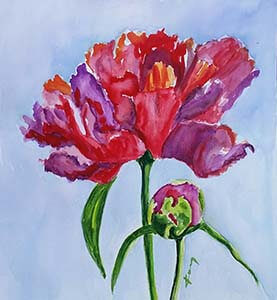
password: natureartlove
I would be very happy to see your painting will you upload them to the fb group?
and to the instagram with this hastag: #natureartwithildy #natureartsummer – hashtag your work from the course and follow hashtag to see what other students are creating! Follow me on Insta HERE. Happy creating!