
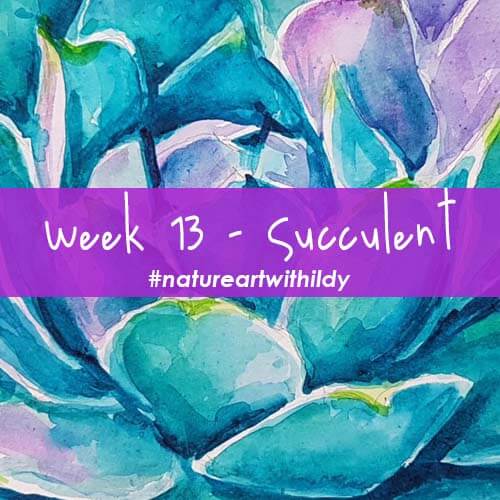
This week we are going to be friend with SUCCCULENT 🙂
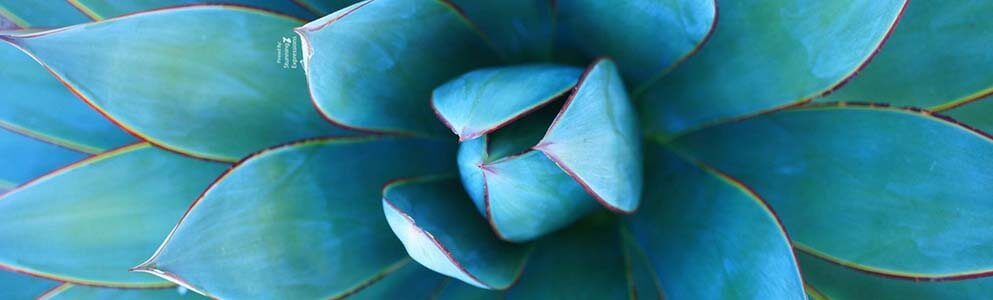
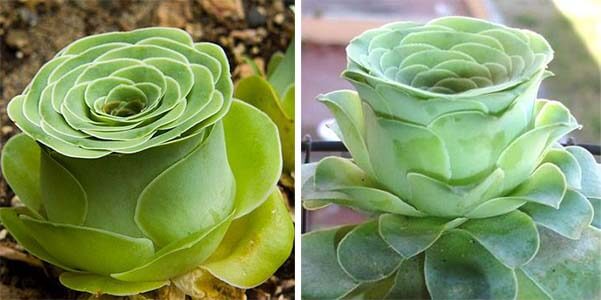
We have a lot in the garden. About 30 years ago, while my mom and I were living together in a big apartment house building. From the third floor one falled down to our first floor balcony and my mom planted it. Now in our garden there are 2 giant pots and every year it blooms in summer, its flower is quite strange (here in the picture). We don’t do anything with this plant as it is so undemanding.
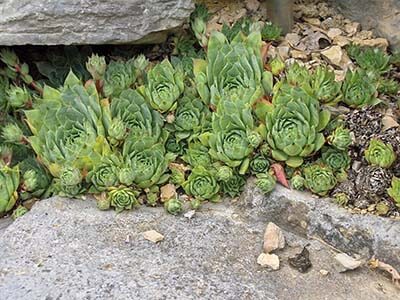
Sempervivum
the king of the succulents
Hens and Chicks (Sempervivum tectorum) are low growing evergreen succulent plants that look a little like rubbery roses. They are considered alpine or rock garden plants, because of their hardiness and drought resistance. The original rosette, the ‘Hen’ produces tiny rosette offsets that are known as the ‘Chicks’.
The name Sempervivium is Latin for “live forever”. They don’t really live forever, but since they produce so many ‘chicks’ or plantlets, they seem to last forever. Plus, they remain evergreen throughout the year, even in cold climates. Hens and Chicks are also tough, drought-resistant plants.
Little succulent native to the mountains in southern Europe.
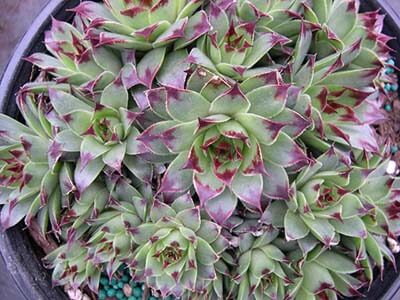
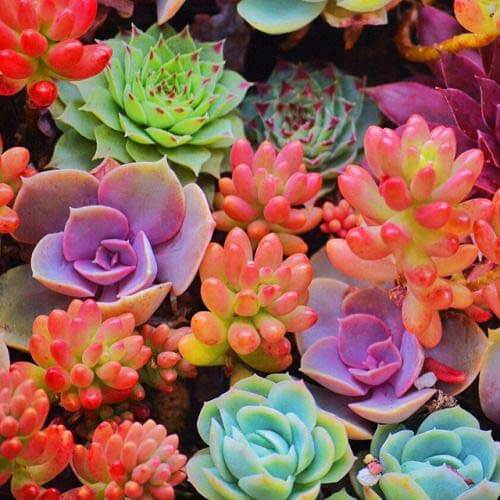
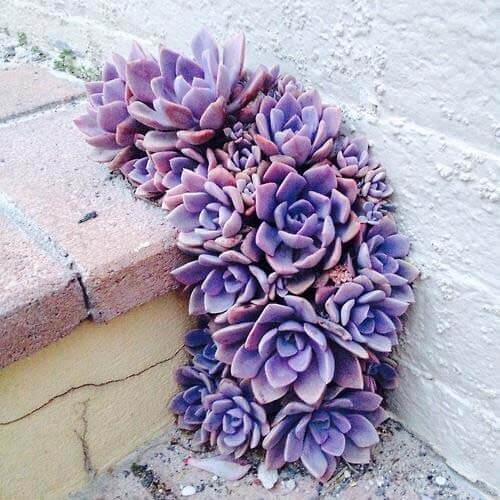
- Leaves: Thick, fleshy pads arranged in 3 to 4-inch rosettes. The leaves are usually pointed and some have purple tips. There are varieties with green leaves and shades of red.
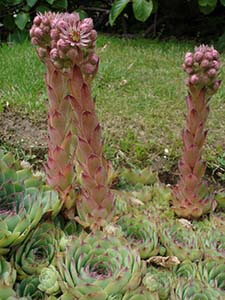
- Flowers: Mature plants produce an odd looking thick flower stalk with star-shaped flowers at the tip of mauve-pink or red. The flower stalk extends 8 to 12 inches before blooming. Once the plant blooms, the mother plant dies.
Botanical Name
Sempervivum tectorum
Common Names
Hens and Chicks, Houseleek, Roof House Leek
Mature Size
These are not tall plants, except when they stretch out to flower. Expect your Hens and Chicks plants to reach 3 to 6 inches (h) x 6 to 12 inches (w)
Bloom Period
Hens and Chicks are not grown for their flowers, but when they do, it is usually during summer.
Suggested Varieties of Hens and Chicks
There are hundreds of varieties, but you’ll probably need to go to a specialty nursery or catalog to find most of them. Most nurseries simply sell the common Hens and Chicks.
- Sempervivum tectorum ‘Boissieri’ – Bronze tinged leaves rusty tips.
- Sempervivum tectorum ‘Sunset’ – Bright green leaves with shades of red and orange.
- Sempervivum tectorum ‘Oddity’ – Bright green leaves with quilled edges and black tips.
- Sempervivum arachnoideum (Cobweb houseleek) – Related species with white threads, like a web, across the rosette.
How to Grow Hens and Chicks
- Soil: Hens and Chicks, as with most succulents, need excellent drainage. Poor, sandy soil would be just fine. You could work some peat into heavier soil, to lighten it and improve drainage. Soil pH should be in the neutral range, 6.6 to 7.5.
- Planting Hens and Chicks: Hens and Chicks can be grown from seeds, seedlings or by dividing offsets. Don’t plant your Hens and Chicks too deeply. Dig a shallow hole and spread the roots. Cover to the crown of the plant and tamp the soil gently so that the plant is firm in the ground. Water lightly, but you don’t need to water newly planted Hens and Chicks every day, the way you would with non-succulents. Hens and Chicks need to let their roots dry out between waterings.
- Growing Hens and Chicks from Seed: Seeds can be sprinkled on top of a soil or gravel mix and kept moderately moist until they germinate. Once they sprout, sprinkle some fine gravel around them as mulch. Seeds are usually started in pots and then transferred to the garden as seedlings. You can start your seeds in the fall and transplant in the spring.
- Dividing Hens and Chicks: Hens and Chicks will spread by underground roots. During the growing season, expect each plant multiplies itself by at last 4, by producing little offset plantlets all around the perimeter of the ‘Hen’. These are the ‘Chicks’. The Chicks can be snapped off and replanted elsewhere at any time.
Caring for Your Hens and Chicks Plants
Once established, maintenance of hens and chicks is minimal. You’ll need to remove the old hens, after they flower, and divide chicks as needed. Except in extremely hot, dry situations, you won’t even need to give them supplemental water. No fertilizer is needed.
Sempervivum tectorum, commonly known as Common Houseleek or Hens and Chicks, is a low-growing, evergreen, succulent plant. It is considered alpine or rock garden plant, because of its hardiness and drought resistance. The original rosette, the “hen”, produces tiny rosette offsets that are known as the “chicks”.
The name for the genus “Sempervivum” is Latin for “live forever”. They don’t really live forever, but since they produce the “chicks” or plantlets, they seem to last forever.
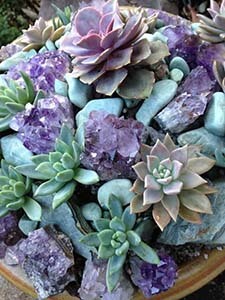
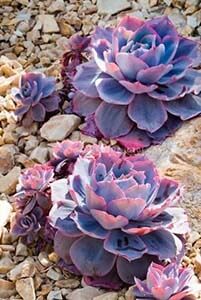

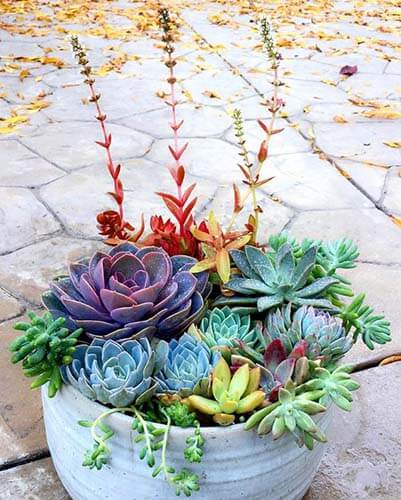
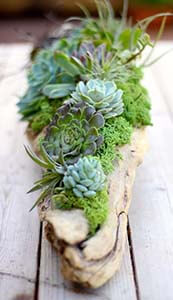
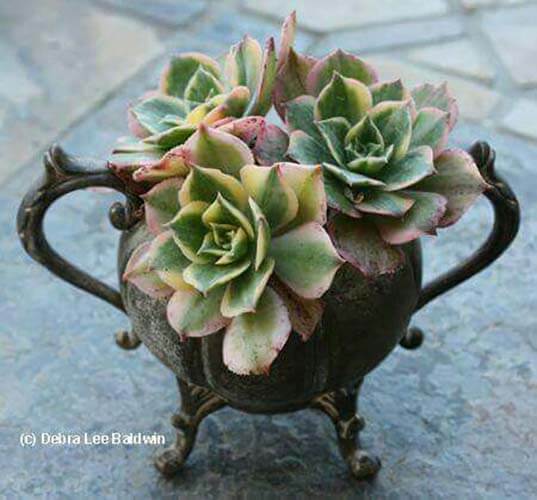
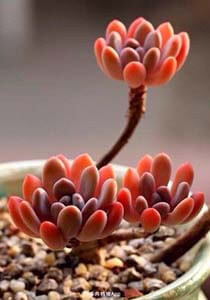
In botany, succulent plants, also known as succulents, are plants that have some parts that are more than normally thickened and fleshy, usually to retain water in arid climates or soil conditions. The word “succulent” comes from the Latin word sucus, meaning juice, or sap. Succulent plants may store water in various structures, such as leaves and stems. Some definitions also include roots, thus geophytes that survive unfavorable periods by dying back to underground storage organs may be regarded as succulents. In horticultural use, the term “succulent” is sometimes used in a way which excludes plants that botanists would regard as succulents, such as cacti. Succulents are often grown as ornamental plants because of their striking and unusual appearance.
Many plant families have multiple succulents found within them (over 25 plant families). In some families, such as Aizoaceae, Cactaceae, and Crassulaceae, most species are succulents. The habitats of these water preserving plants are often in areas with high temperatures and low rainfall. Succulents have the ability to thrive on limited water sources, such as mist and dew, which makes them equipped to survive in an ecosystem which contains scarce water sources.
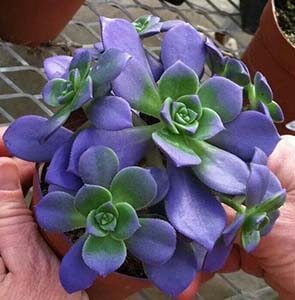
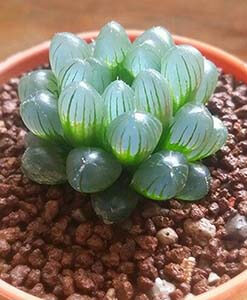
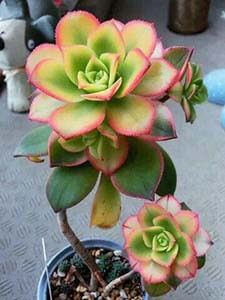
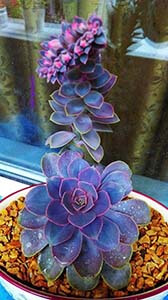
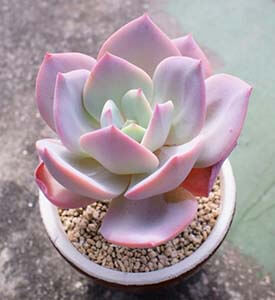
Active ingredients:
The leaves of the plant accumulate large amounts of various amino acids in addition to carbohydrates, citric, malic and malonic acids. Of these free amino acids, aspartic acid and phenolic carboxylic acid are significant. The plant also contains quercetin, campferol and flavon glycosides, tannins. Vitamin C and mucilage are also significant in it.
Curative Effect:
In folk medicine, Hens and Chicks are one of our oldest first aid plants, often referred to as ears
Folk medicine uses the juice of its leaves to treat burns, ear infections, wart insects and nettle stings, shingles, cut wounds. The active ingredients in its leaves: tannins, mucilages, fruit acids, flavonoids, vitamin C are now used by the cosmetics industry. When incorporated into a cream, it is also excellent for treating freckles, discoloration of the skin, and treatment of warts. It is also known for its bacterial and antiviral properties.
- bacterial and antiviral effect
- for the treatment of oral infections, insect and nettle stings, shingles, stingrays, cut wounds, burns, and dry of running warts
- its juice also relieves earache associated with otitis media, dripping into the ears, we can notice improvement within a short time
- if the juice is mixed with a simple pharmacy cream, it can be used to lighten or eliminate liver spots or other skin discoloration
- effective against sunburn. Squeeze the leaves of a thoroughly washed flower, mix with a tablespoon of olive oil, but better with aloe vera, add a few drops of lavender oil, and use it after sunbathing.
- the cut rose leaf can also be used to remove corns. Let’s fix it on the corn eye for the night, then soak our feet the next day and scrape off the dead skin. Repeat in the evenings as needed.
- it can relieve the burning sensation and itching after waxing
- effective for faster drying of chicken pox
- leaf scald can be used as tea for sore throat, bronchitis, sore mouth and apta
- use its juice to treat hemorrhoids and cracked nipples
- anti-inflammatory, antipyretic, exogenous analgesic, bacterial and antiviral,
- used in folk medicine to treat diarrhea and wormhole, it relieved limb pain externally,
- it usually relieves a severe headache in minutes by putting a handful of leaves on your forehead,
- it is also used today in the cosmetics industry. can be an effective skin care product
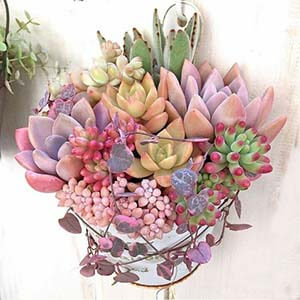
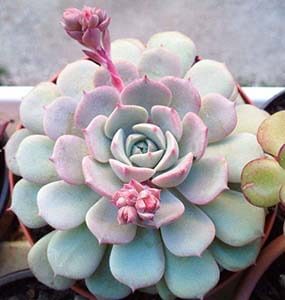
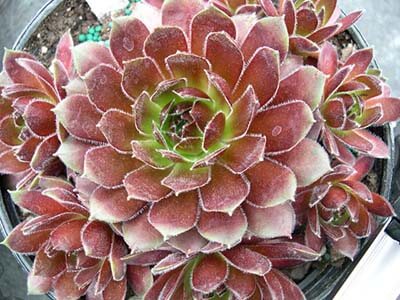
Flower, reproduction:
Their flowers are yellow, white or pink in clusters at the tip of the flower stalk. The mother plant, usually located in the middle, dies after the seeds have matured and provides space for the next generation. The easiest way to propagate a succulent is to detach and plant these branches. Their interesting feature is that the spherical, small rosettes will, after a while, detach themselves from the mother, roll away and continue to grow roots in the open space. This is the secret of their fast and self-growth!
The ideal time for planting new plants is in the spring, then in summer, we work with the plants to remove the open flowers from the mother plant, and in the fall, if necessary, separate the plants from the mother plant and plant them separately.
If you are planting several varieties of them closely next to each other, do not be surprised to discover new plants in our garden over time, as each species intersects with each other.


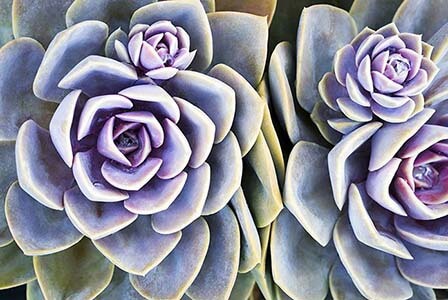
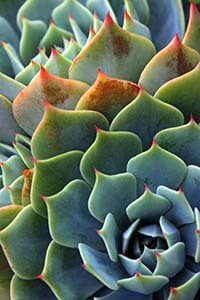
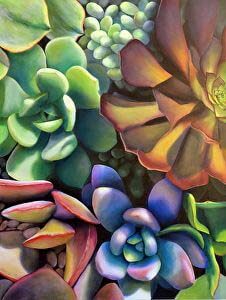
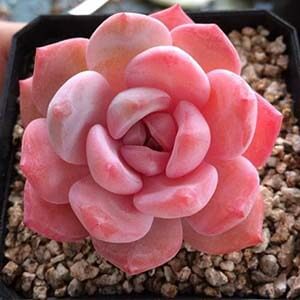
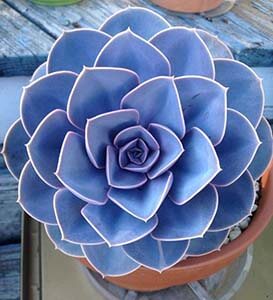
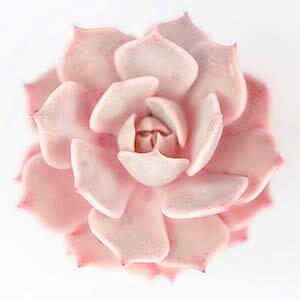
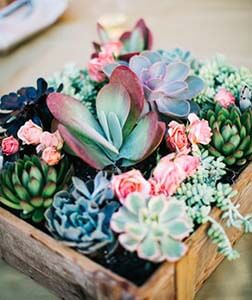
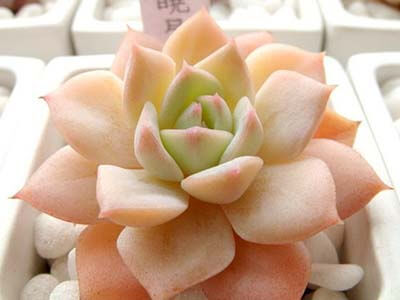


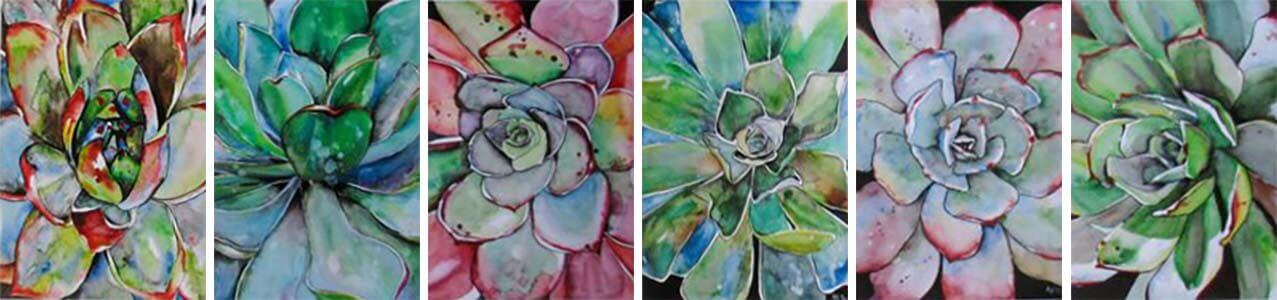
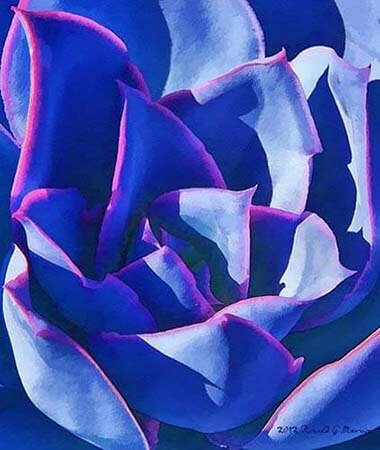
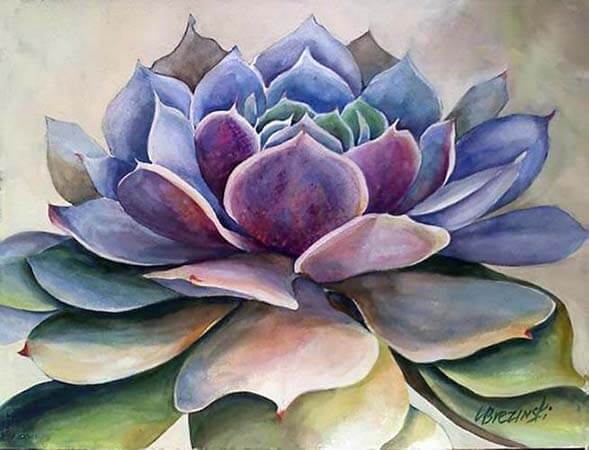
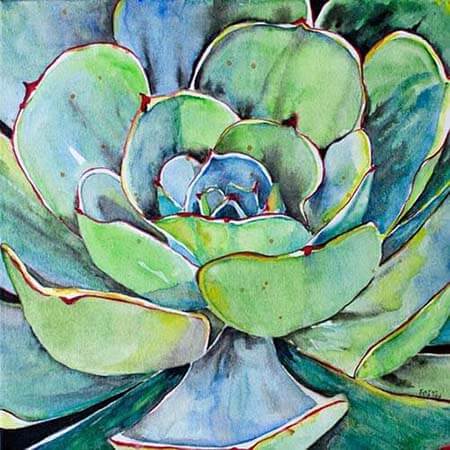
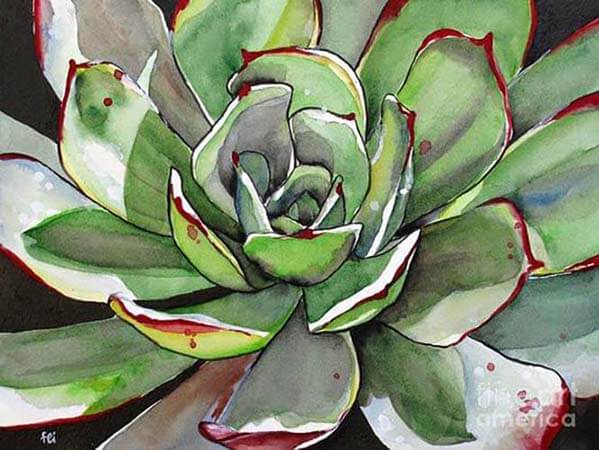
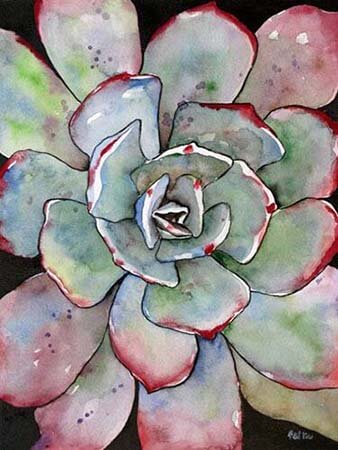
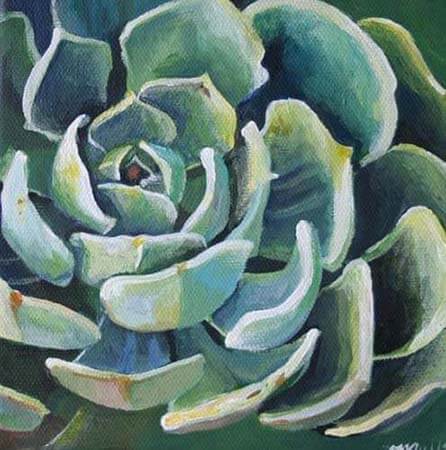
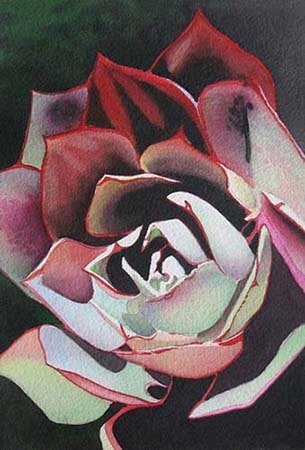
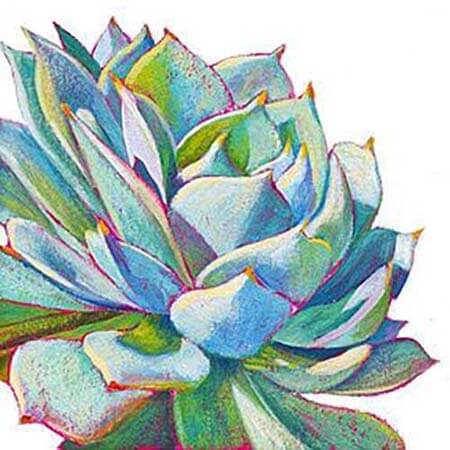
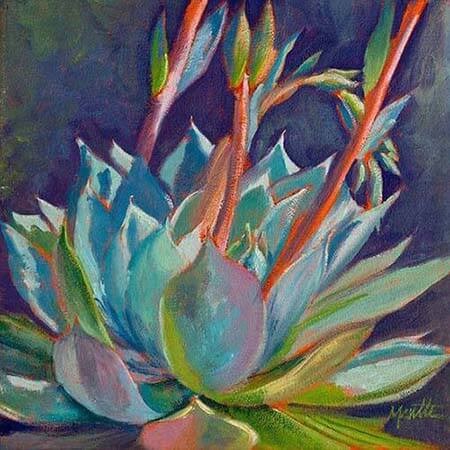
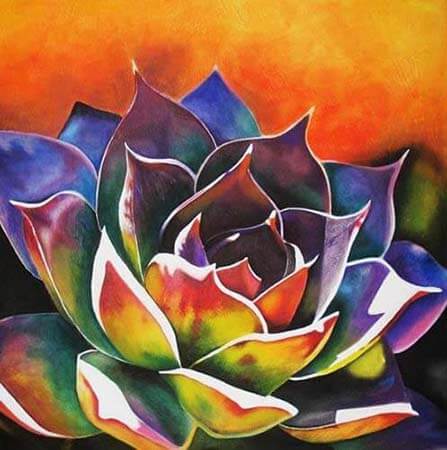
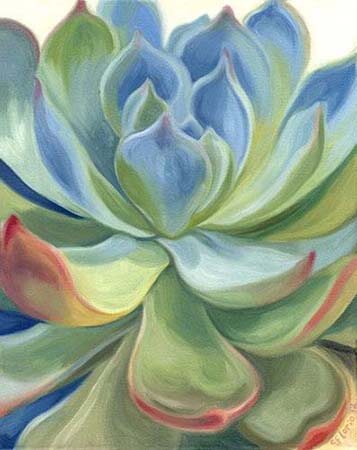
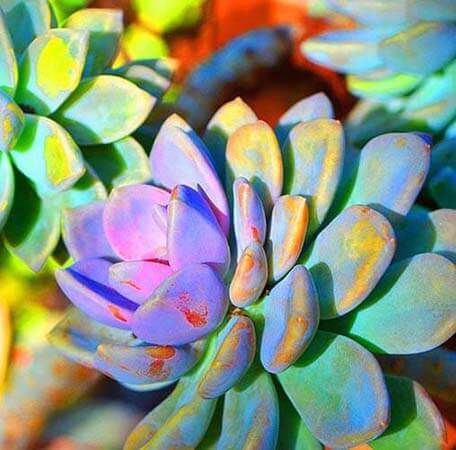
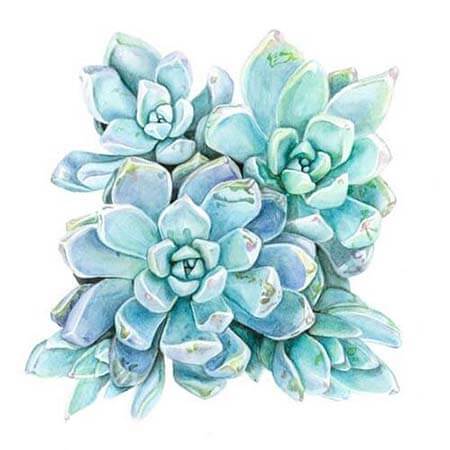
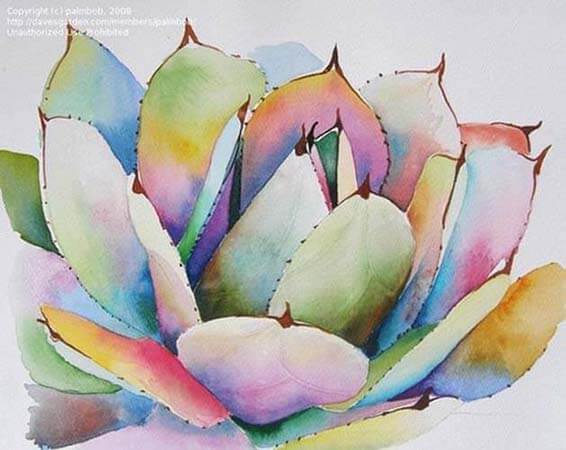
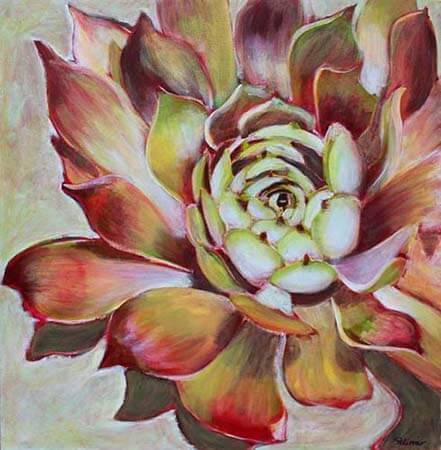
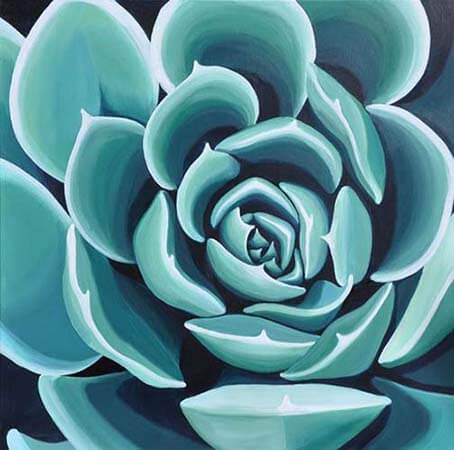
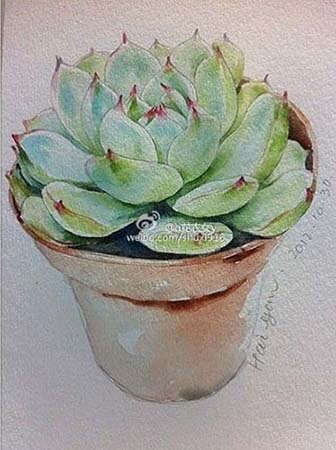
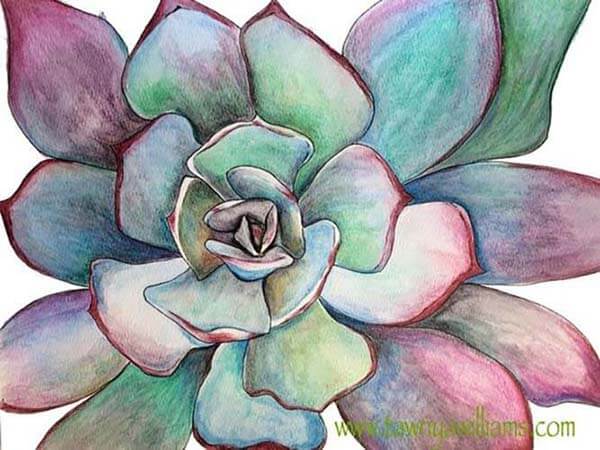
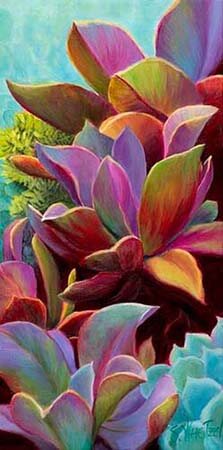
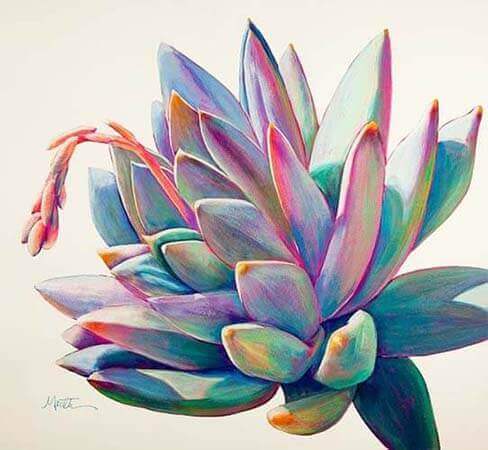
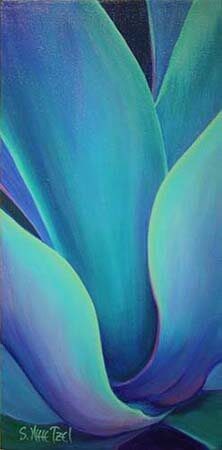
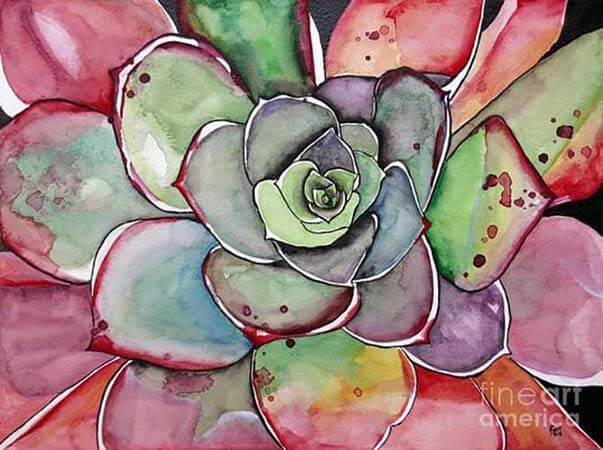
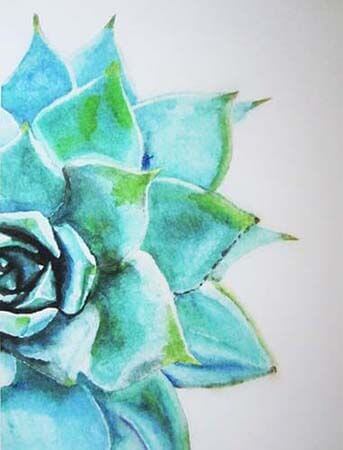
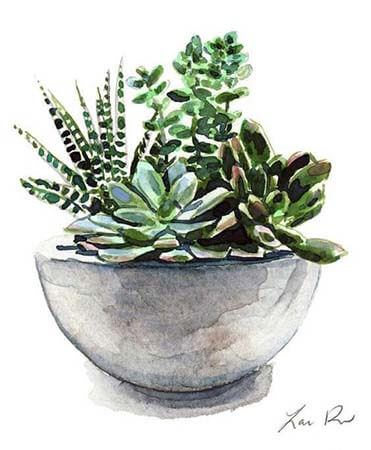
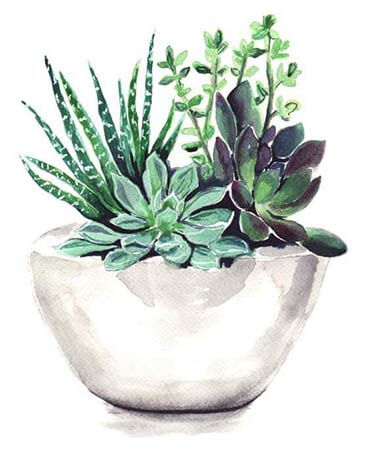
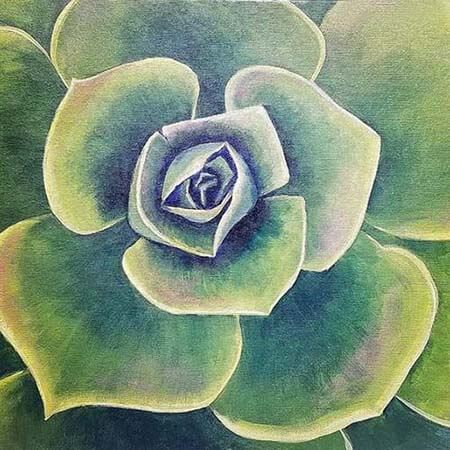
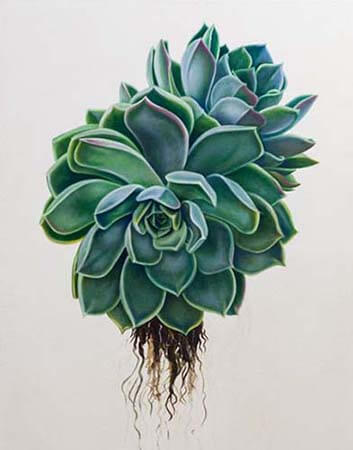
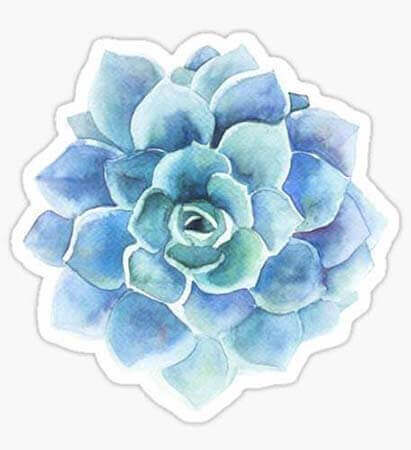
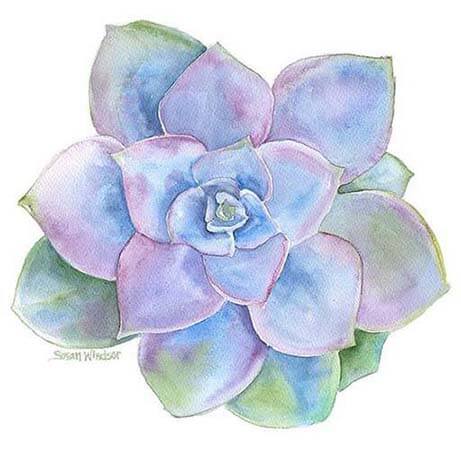
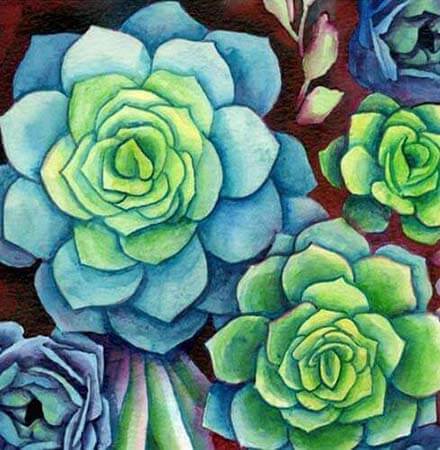
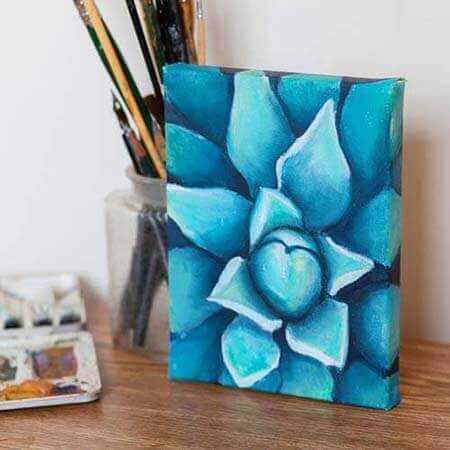
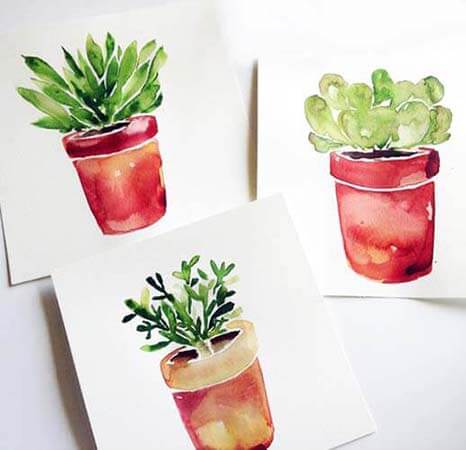

This is a drawing practice homework. first one was at ladybug lesson (week 8).
I’m making for a time now a ‘how to improve your drawing skill’ workshop where there are lot of drawing task. There are resize, upside-down etc in this series 🙂 One of the easiest is like you see below.
While the ladybug was the same size, in this exercise draw this in bigger size to the empty splitted square. Please don’t see the whole picture when you draw only 1 little square at a time, and draw the lines exactly same to the empty square. You can even blanket the other squares. This is what we draw in the kindergarden and one of the many task that I made. I practiced these ‘tests’ with children and it was interesting that some was easy for them (what I thought will be hard) and others were hard work.
I’m interested in what do you think? Anyway this is a good practice for copying what we see on photo.
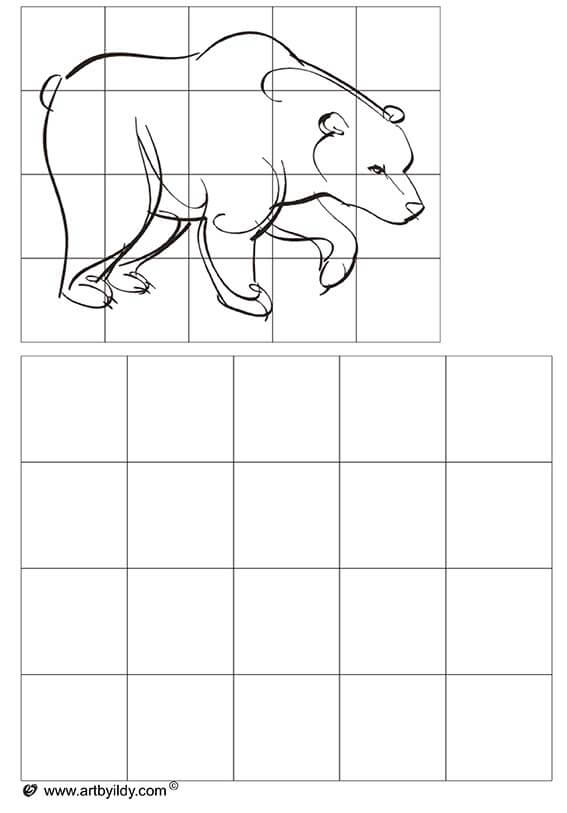
The same we do when we draw from a photo, for example the succulent at this time.

This is my plant, there are plenty of them in the garden.
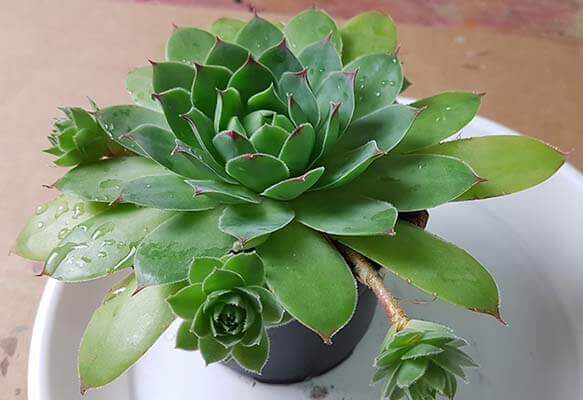
I cut this detail of it: and I put a 3×2 grid on it
go to this web page griddrawintool website, it is free to use
and upload your photo
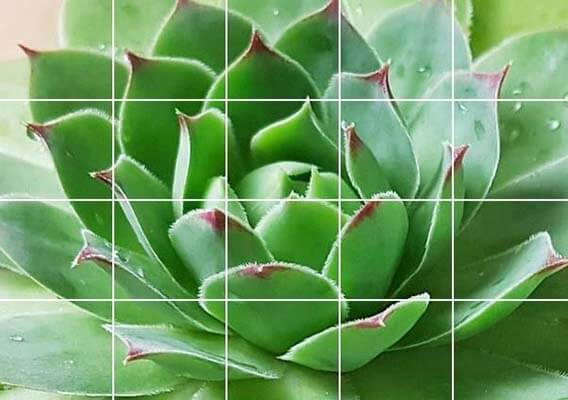
at the step 5 : grid, add the grid dimensions what you want, what size help you to draw it onto a paper
for this I choose 3×2 and changed the colour of the line to white
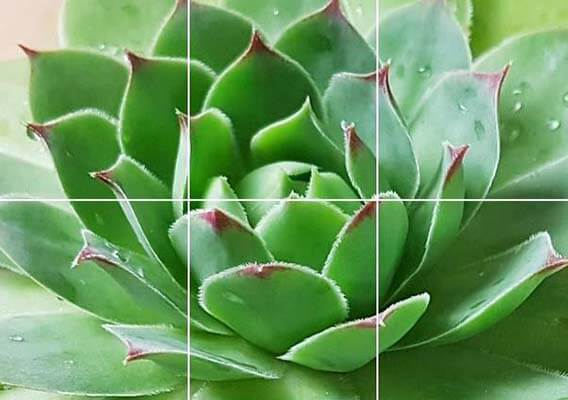
you may choose 5×4, like this:
the ready painting
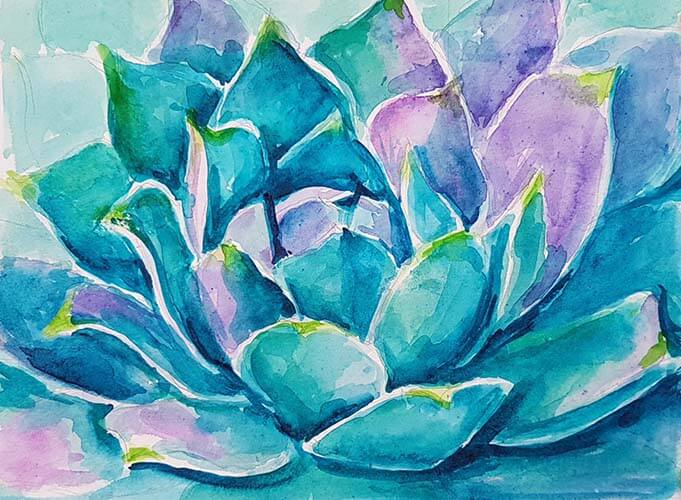
part 1: draw your photo to an aquarelle paper
VIDEO PART 1
password: natureartlove
supplies:
- aquarelle paper 300gr
- pencil
- kneaded eraser (this don’t hurt the paper)
VIDEO PART 2
password: natureartlove
supplies:
- aquarelle paper 300gr I use 20×15 cm
- aquarelle paint
- brushes small and a big one
part 3: Shadow and light
This is where we add dept and 3D to our painting with darker colour to the shadow area.
You already know that the aquarelle painting is always lighter when it is dry. That’s why you have to go back to a part you already painted.
VIDEO PART 3
password: natureartlove
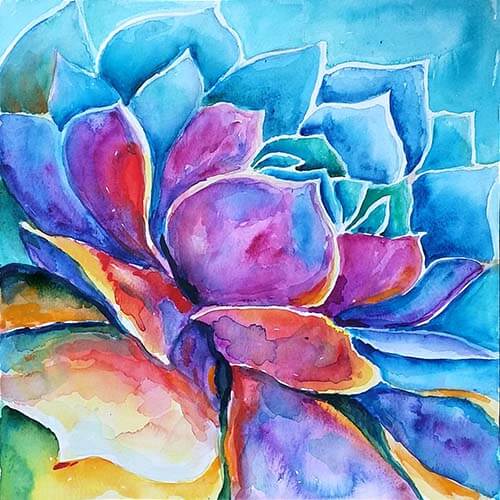
Look at this succulent, it is boring with its green leaves, if you want to create a more interesting one just use more colours and turn it in a different angle.
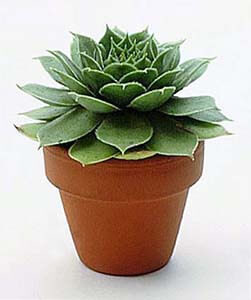
the ready painting 30x30cm on 300gr aquarelle paper
password: natureartlove

Do you have this plant? I have a lot in the garden! What type do you have ? Upload a picture of it 🙂
I would be very happy to see your painting will you upload them to the fb group?
and to the instagram with this hastag: #natureartwithildy #natureartsummer – hashtag your work from the course and follow hashtag to see what other students are creating! Follow me on Insta HERE. Happy creating!