

Welcome in week 6!

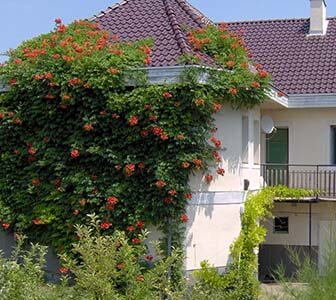
This week’s theme is
CAMPSIS RADICANS
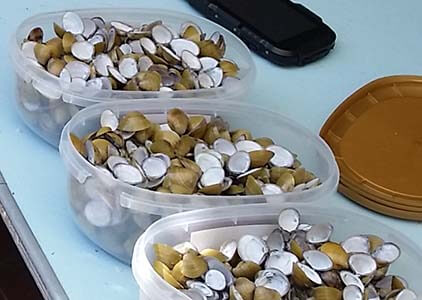
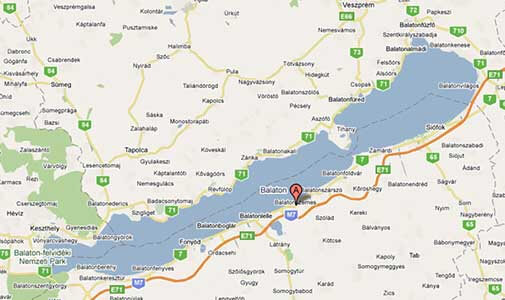
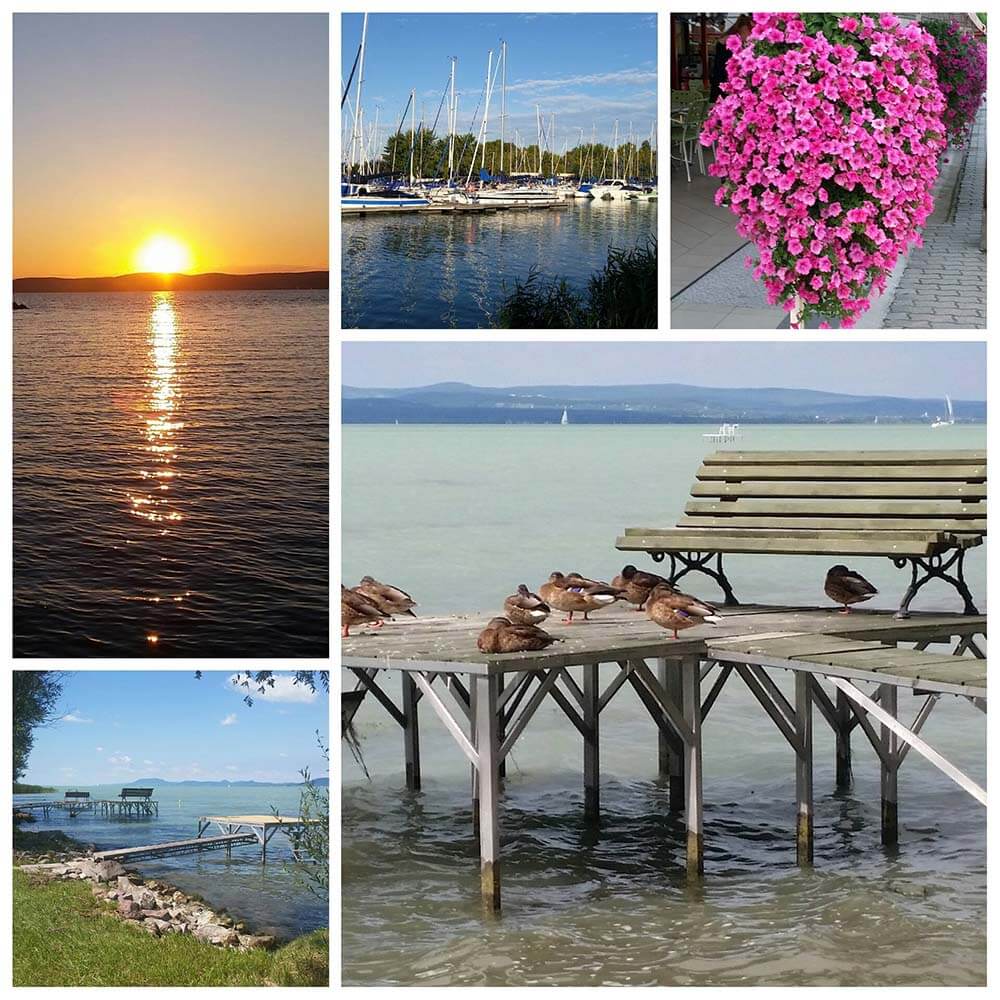
Every year we go to the lake Balaton, my Mom and her sister has a little old house there, about less than 100 m from the lake. This year we were not there yet but last year there was very hot, in the house 38 Celsius and under the sun the thermometer gave up at 60. The house is in Balatonszemes located in the south part of the lake. (south part the water is low on the north part is deep) The water was warm, Cool us down only in the deep part about 50 meter walk into the lake. We collected millions little shells, I took home 3 icecream boxes full. You know the ‘it will be good for something some time‘. My Ati don’t like if I collect, but he do the same. 🙂
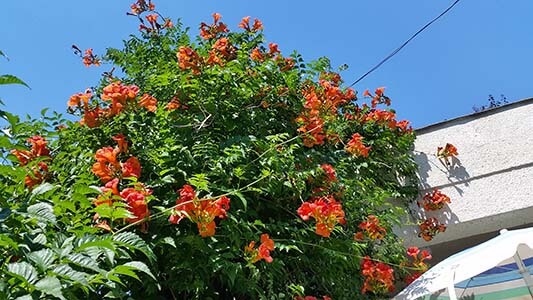
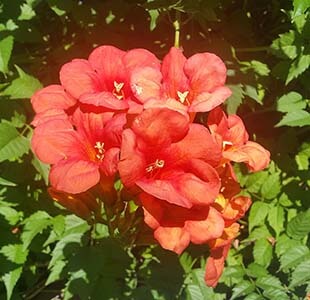
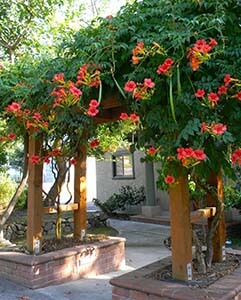
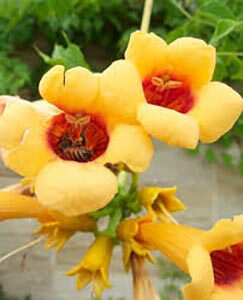
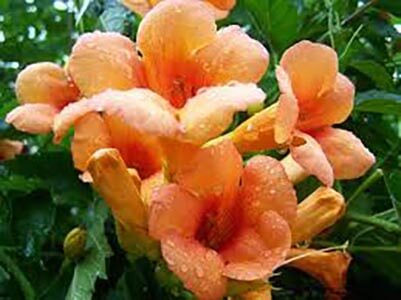
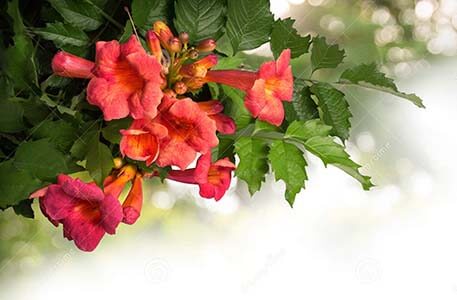
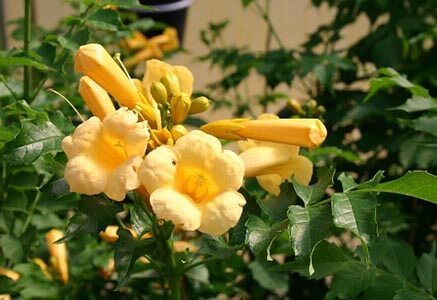
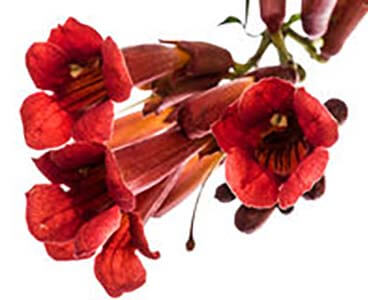
My Mom had it run to the house. This is a beautiful but very violent plant. Full of flowers and buzzing bees. Here is some picture of them
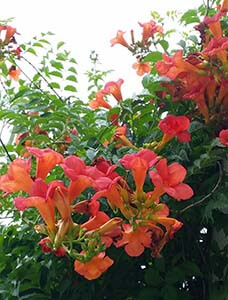
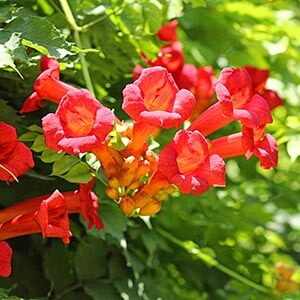
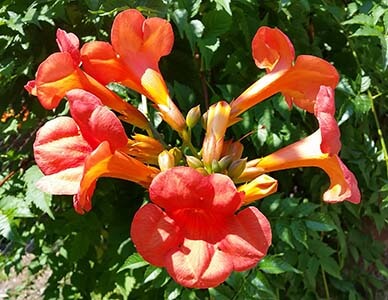

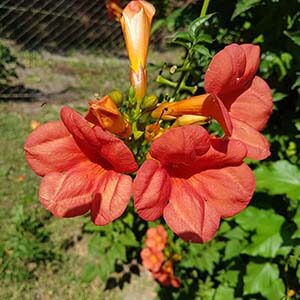
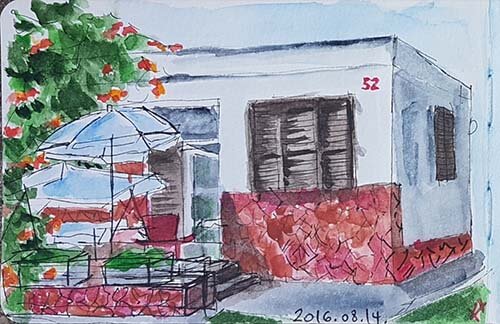
Remember the photo of me painting at the deck chair (in the warm up lesson) ? In 2016 I painted this 5 min painting there:
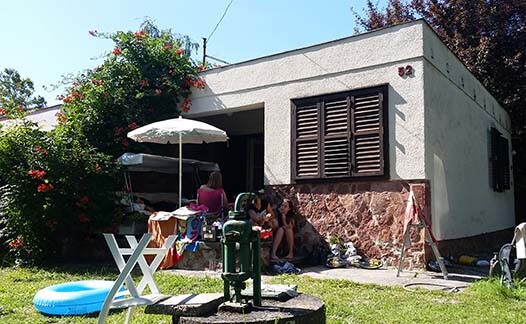
Pictures of Balatonszemes


LITTLE HOMEWORK:
sit down in a comfy chair or even in the bathroom and take your time to write your gratitude list 🙂

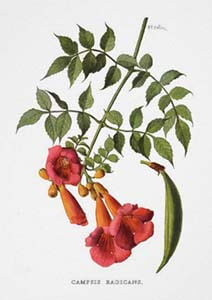
CAMPSIS RADICANS
trumpetcreeper , devil’s shoelaces, hell vine, shoestrings, trumpet climber, trumpet creeper,
trumpet honeysuckle, trumpet vine, Virginian trumpet flower
Culture
Easily grown in a wide variety of soils. Best planted in lean to average soils with regular moisture in full sun to part shade. Foliage grows well in shade, but plants need good sun for best flowering. It blooms on new growth, so early spring pruning will not affect the flowering. Vines must be grown on sturdy structures because mature plants produce considerable weight. The problem with species plants (Campsis radicans) is usually not how to grow them but how to restrain them, in large part because they sucker profusely from underground runners and freely self-seed, often forming impenetrable colonies in the wild which can choke out many plants that get in their way.
Noteworthy Characteristics
Campsis radicans, commonly called trumpet vine or trumpet creeper, is a dense, vigorous, multi-stemmed, deciduous, woody, clinging vine that attaches itself to structures and climbs by aerial rootlets. It is native to the southeastern U. S. including Missouri, but has naturalized in many northern states. In Missouri, trumpet vine is native to the Ozark region, but has naturalized throughout the State where it now typically occurs in woods, thickets, fields and along streams, roadsides and railroad tracks (Steyermark). Species plants rapidly grow to 30-40′ high. Compound, odd-pinnate leaves (to 15” long) are shiny dark green above and glabrous dull green below. Each leaf has 7 to 11 elliptic to oblong leaflets (to 4″ long) with serrated margins. Leaves turn yellow in fall. Clusters (terminal cymes) of red trumpet-shaped flowers (to 3” long) appear throughout the summer (June to September). Flowers are very attractive to hummingbirds. Flowers are followed by long, bean-like seed pods (3-5” long) which split open when ripe releasing numerous 2-winged seeds for dispersal by the wind. Trumpet vine is also commonly known as cow-itch vine because some people experience skin redness and itching after coming in contact with the leaves.
Genus name comes from the Greek word kampe meaning bent in reference to the bent stamens on plant flowers.
Specific epithet means having rooting stems.
Problems
No serious insect or disease problems. Species is a very aggressive spreader.
Garden Uses
Woodland gardens, naturalized areas. Provides quick cover for fences, arbors, trellises, walls or other structures in the landscape. Also may be grown along the ground to camouflage rock piles or old tree stumps. Good vine for hot, dry sites. Needs lots of room. Excellent for hummingbird gardens.
This is an American plant that is loved by hummingbirds and butterflies. Easy to adapt to cold and warmth, this is a particularly good choice for gardeners living in the north who want an evergreen plant.
Adult plants bloom in winter, though they need careful pruning. Flowering begins after a few years. It has orange, red and yellow flowers and can grow up to 6m high.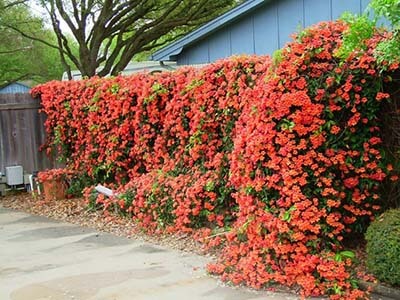
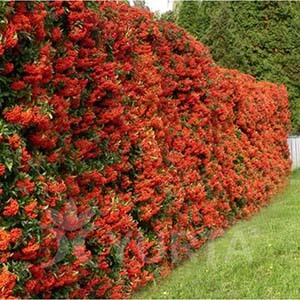
Blooming with abundance and lust. In addition, it is winter-resistant.
This is the plant’s notable abundant flower yield, high tolerance, but also violent nature and rapid growth.
HOW TO KEEP IN ORDER:
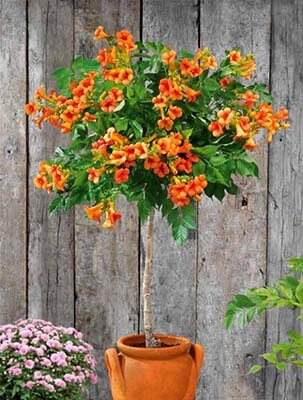
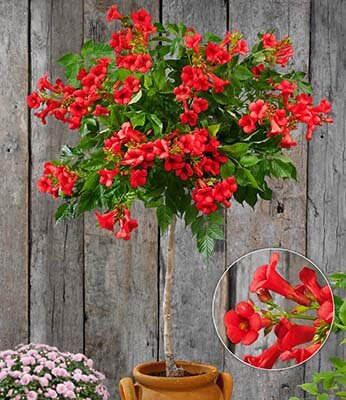
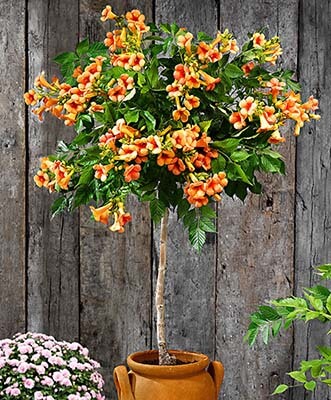
Sometimes you have to fight with it to not take over the whole garden or your neighbors’s.
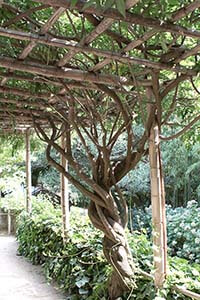
But there is a simple and effective method of restraint, and it remains an outstanding decoration for the garden. The planted small plant should be helped to climb up a column, and when it reaches the desired height, it should be cut back shortly to two eyes each year.
In this way, the plant retains its column-like shape, does not escape anywhere, but flourishes richly. The shovels should be cut out regularly when they are still so they won’t have much trouble with them. Maybe if we have a huge big tile then it can be planted since then it doesn’t go to the root where it wants. I recommend these methods to anyone who has little room for this plant.
EXTERMINATION:
The trumpet flower is a hardy, fast-growing plant that penetrates deep, both vertically and horizontally, to take up and store as much nutrients as possible. By cutting off the above-ground part, you are encouraging the cultivation of shoots, which, due to their extensive root system, emerge in the garden.
How to get rid of it?
- Dig out the roots. Although it is hard work, digging out the plant’s roots by hand will eliminate it.
- Kill the plant with hot water. Pouring scalding water on the plant’s stems will kill it to ground level, but you will need to apply hot water several times as new growth sprouts up before the roots will be killed.
- Spray the plant with diluted vinegar. A half-and-half solution of vinegar and water sprayed over the foliage will eventually kill trumpet vine.
- Apply salt to the soil. Add a cup of rock salt to a gallonof hot water and pour it over the plant’s root zone. Be aware, though, that this might kill other plants in the vicinity.
2 Herbicide to Get Rid of Trumpet Vine You can use various herbicides for killing trumpet vine as well. On the chemical side, a non-selective type is often used. Cut the plant off at the ground and paint the fresh cut stump with full strength weed killer. Again, this will most likely not kill the entire root system, so keep an eye out for further growth in the coming months. If you see any shoots regrowing, respray them immediately with herbicide. On the organic side, you can use boiling water as an herbicide to kill trumpet vines. Again, cut the vine at the ground and treat the ground 3 feet (.91 m.) around the base with boiling water. Boiling water is effective, but some roots will escape and shoots will regrow. Keep an eye out for these and pour boiling water on them as you find them. How to kill trumpet vine is something that can seem near impossible, but it can be done. Being diligent in your efforts for killing trumpet vine, which every you choose, will be rewarded with a trumpet vine free garden. Note: Chemical control should only be used as a last resort, as organic approaches are more environmentally friendly.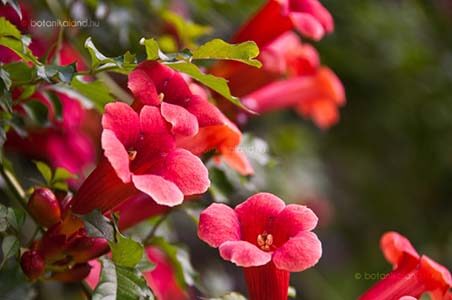
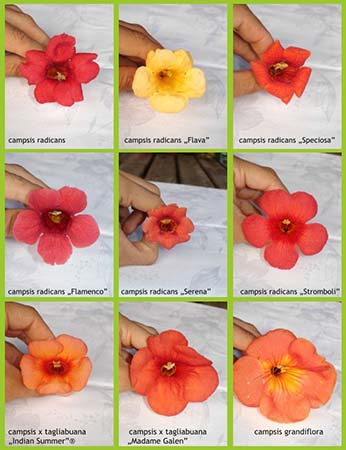
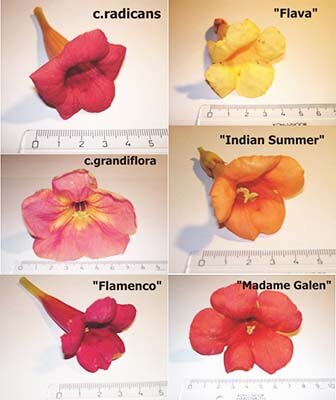
Varieties of Trumpet Vine
- C. radicans ‘Aurea’: This cultivar produces yellow flowers.
- C. radicans ‘Flavea’: This is another yellow-flowering cultivar.
In addition to the main species, Campsis radicans, there are two other species sometimes grown:
- Campsis grandiflora, also known as Bignonia chinensis, is native to East Asia and is hardy in zones 7 to 9. It blooms in late summer and autumn.
- Campsis x tagliabuana is a cross between C. radicans and C. grandiflora, and is hardy to zone 6. It has orange flowers and is less aggressive than C. radicans.


In HUNGARY Szombathely there is a place which is famous not only the Snowfrops field and crocus but these outstanding big trunks or rather branches of Trumpet Vine at Kámon arboretum.
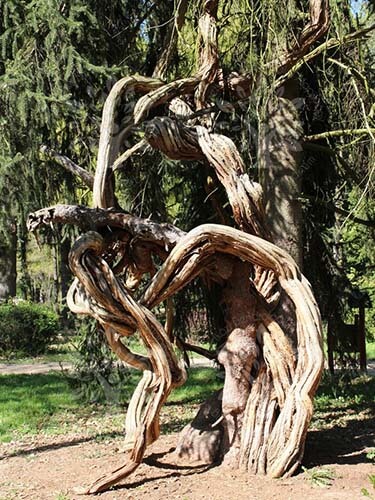
see more wonderful photo

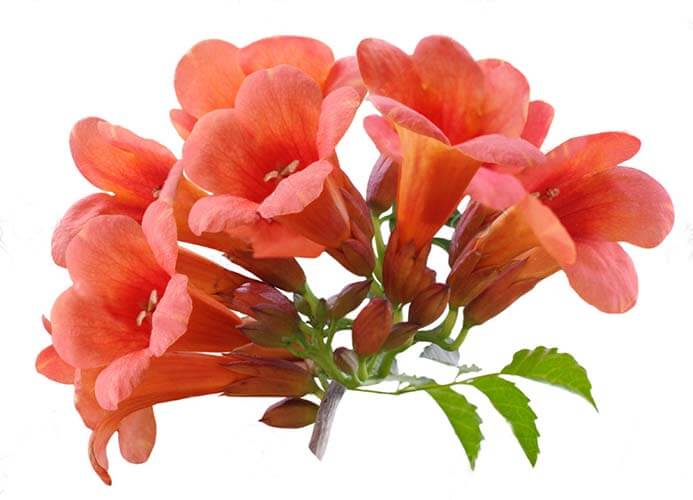
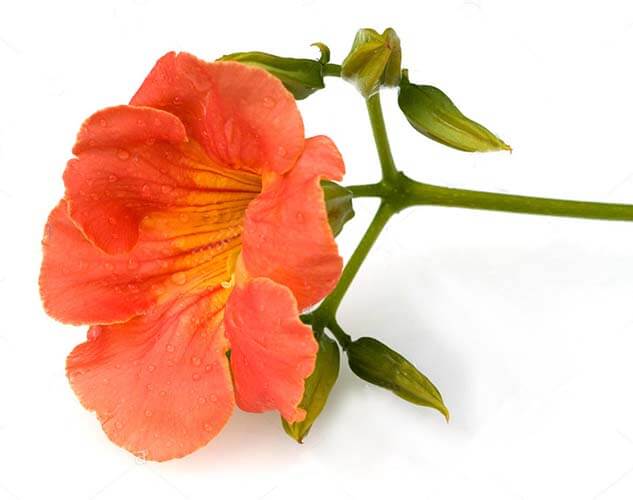
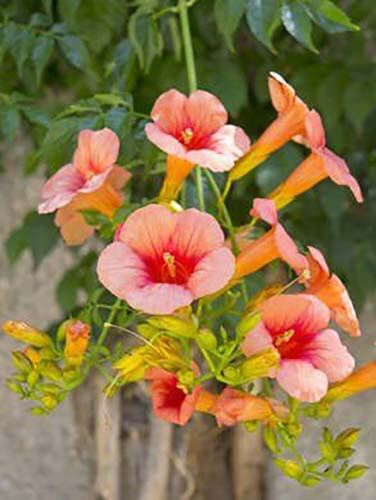
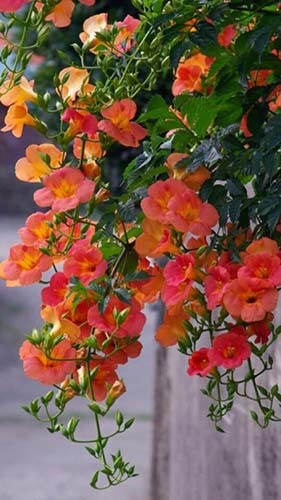
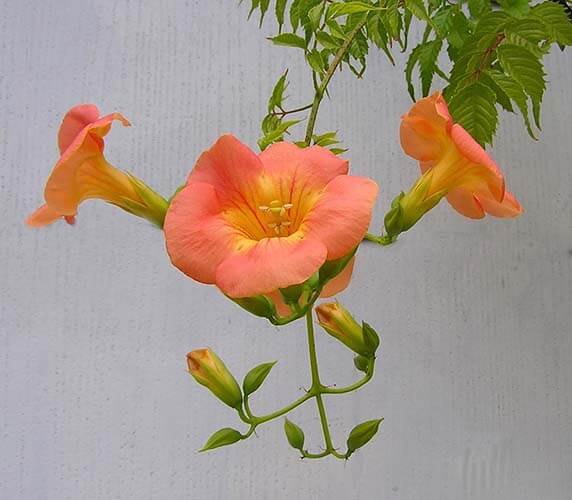






PAPER FLOWER

Supplies:
- 18x24cm 300gr aquarell paper
- aquarell paints
- brushes small and large (12,10, 2, 3, any you have)
- PIGMA MICRON pen (permanent marker
- Derwent INKTENSE pencil
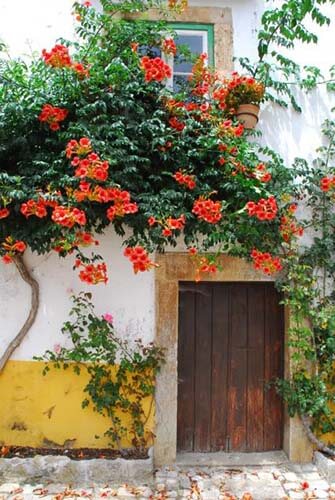
reference photo
the ready painting:

password: natureartlove
password: natureartlove

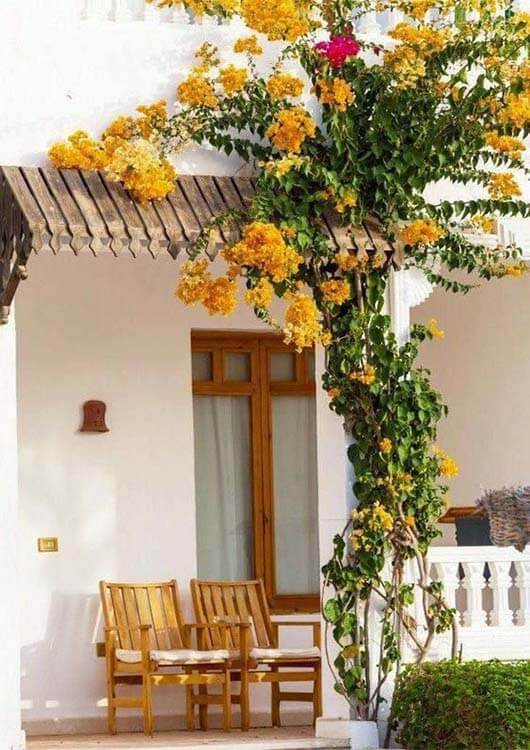
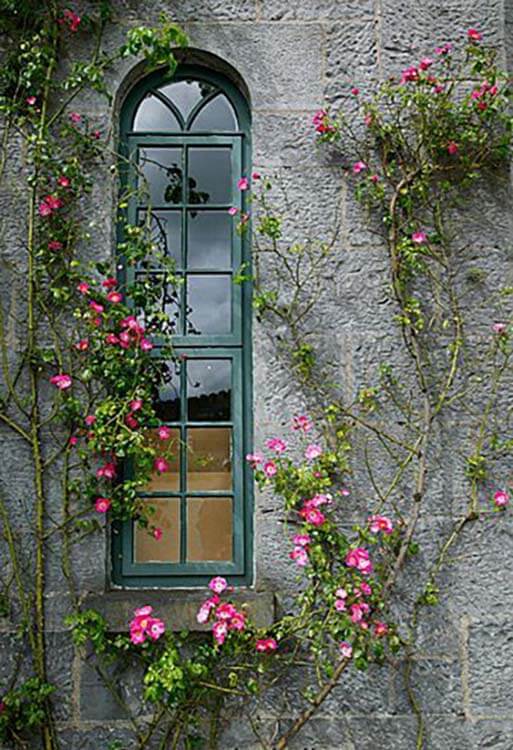
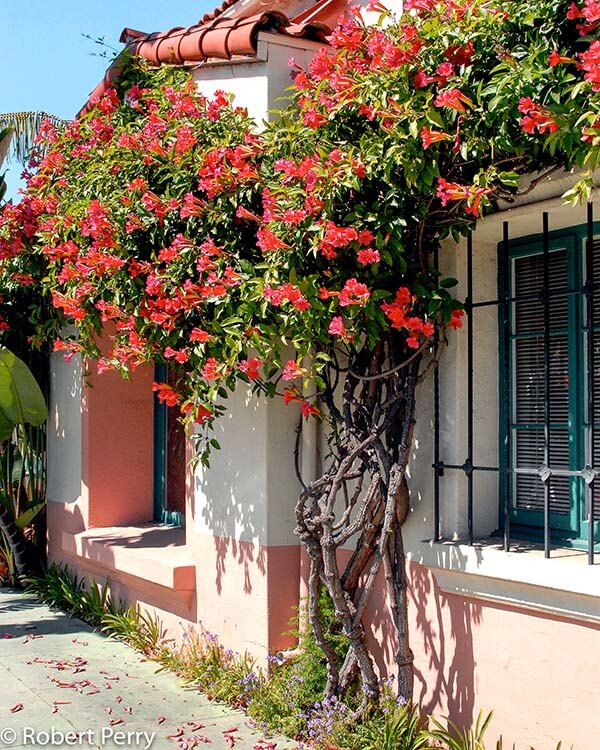
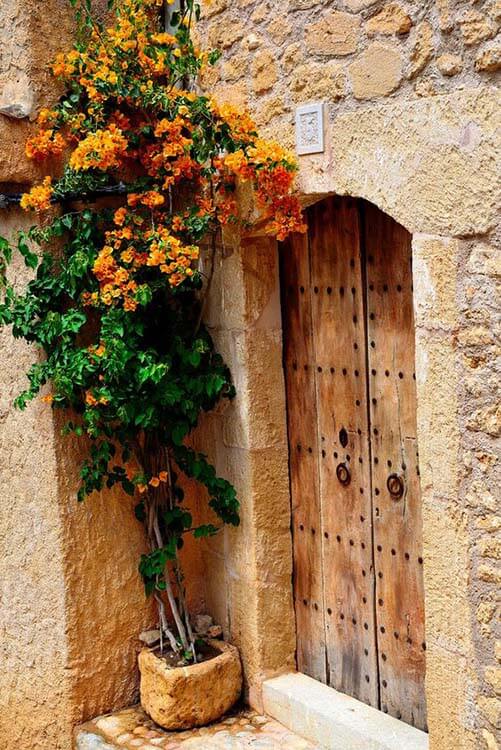
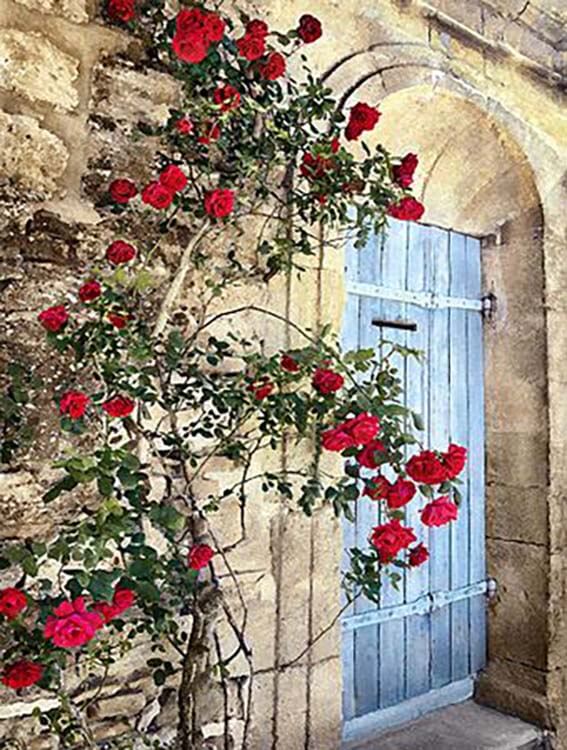
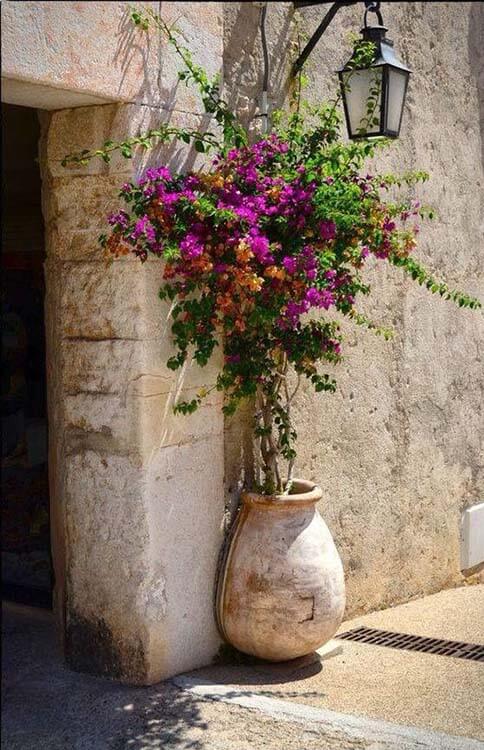
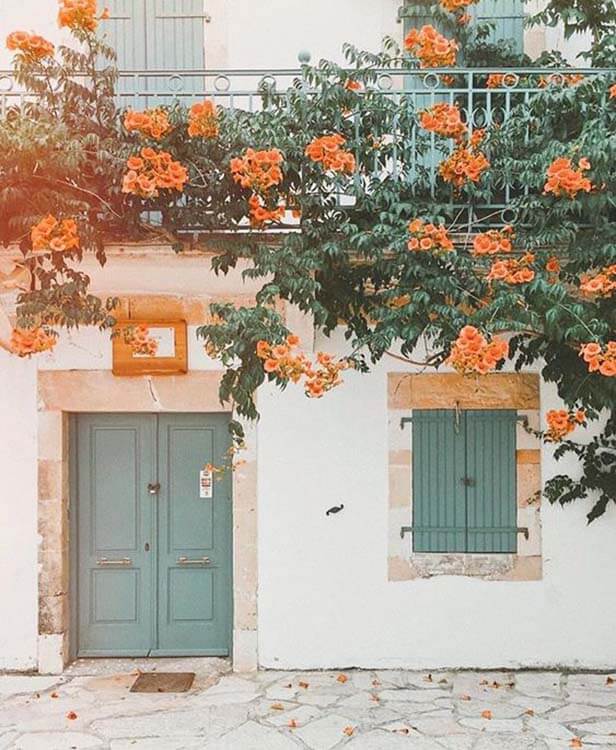
SEE ALL THESE REFERENCE PHOTOS, SOME ARE WITH THE TRUMPET VINE SOME HAS ROSE BUT YOU CAN CHANGE THE FLOWERS AND DOORS USE YOUR IMAGINATION
NO NEED TO COPY THEM JUST USE THE IDEA – Push the arrows to see all the 11 photos




I would be very happy to see your painting will you upload them to the fb group?
and to the instagram with this hastag: #natureartwithildy #natureartsummer – hashtag your work from the course and follow hashtag to see what other students are creating! Follow me on Insta HERE. Happy creating!