
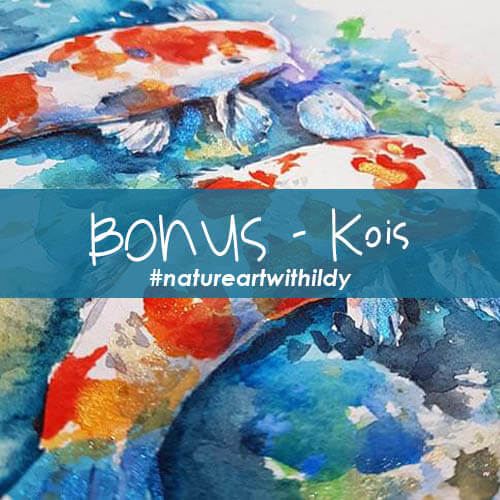
Dear Artist!
I made a retour between mandala and dreamcatcher.
In the mandala lesson I didn’t make a usual mandala painting as I thought it is so personal What you like or how do you like to paint the usual precise mandalas.
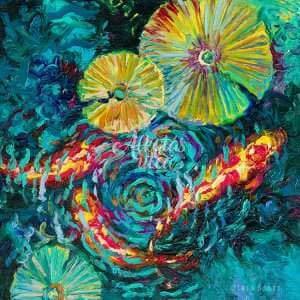
But as I finished my bathroom door little ‘windows’ with the painting with waterlilies and koi fish it made me an idea to make koi mandala.
After a litlle research as I know that fish especially koi has deeper meaning in feng shui I decided to make an small extra lesson about it
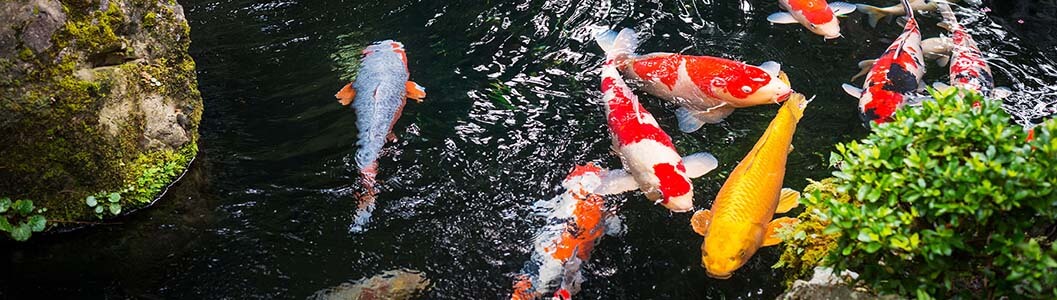
Koi fish, also known as the swimming jewels of the Orient, are kept in outdoor ponds all over the world. The hobby has flourished in the past few decades, creating one of the most unique and interesting niches in the world. Each year, thousands of ponds are constructed in backyards.
Koi fish
Koi Fish Fact Sheet
Type: Cold Blooded (poikilothermic), omnivore, domesticated as an ornamental aquatic pet
Temperament: Peaceful, compatible with other peaceful freshwater fish. Do not put semi-aggressive or aggressive fish in the pond with Koi fish
Size: Young Koi 3” to 8”
Mature Koi: 14” to 24”; some jumbo Koi end up 32” to 36” long
Living Conditions: Koi live in freshwater ponds, both indoors and outdoors. The pond needs a filter system to remove the fish waste and ammonia from the water. They live in a wide temperature range, the minimum is 40 degrees F. The optimal range is 60 to 75 degrees F.
Feeding: Summer: Feed a quality high protein Koi food. Koi fish need a high protein food to bulk up and grow during the summer months.
Spring and Fall: A quality wheat germ based Koi food. Wheat germ based foods are easy for Koi to digest. Do not feed Koi if the water temperature drops below 52 degrees F, their metabolism slows down and some food can sit undigested inside them.
Life Expectancy: The average lifespan of a Koi fish is 15 to 20 years. Some can live to be 30 years old or more.
Health Issues: The most common health problem is ulcers. If a Koi get hurt and the injury gets infected, an ulcer will appear. Ulcers are treated with an antibiotic dip. Other maladies that affect Koi are finrot, parasites, viruses and malnutrition. New Koi should always be quarantined before combining them with the rest of your collection to prevent any disease outbreak in your pond.
Breeding: The male fish will ram the females to encourage them to expunge their eggs. The female Koi expel their eggs on vegetation or special breeding mats. The fertilized eggs then hatch after one or two weeks, depending on the water temperature.
Origin: Koi fish were bred by rice farmers in Japan, who wanted to see if they could bring out the spots of color that would sometimes appear on their food carp.
Koi History
In Niigata, Japan, the large amount of snowfall each winter would often leave the rice farmers that lived in the mountainous region isolated for extended periods of time. They needed a source of protein during the winter season, so they would keep carp (Magoi) in a trench or unused rice paddy (the carp would have decimated the rice crop). In the fall, they would harvest and salt most of the carp fingerlings, leaving out a few to breed in the spring to replenish their stocks.
The carp were also very beneficial to the rice crop. When water was used to replenish the rice paddies, the carp waste in it made an excellent fertilizer.
Some of the carp they kept had patches of red color. We know that around the beginning of the 19th century at least one of the rice farmers took notice of this and in their spare time, began to selectively breed these unique carp in an attempt to bring out their color.1
Over the years, the Koi keeping hobby spread across Japan. Most of the people that kept Koi were well to do businessmen. The Koi were transported in wooden buckets by the breeders, who would take them from from their farm to the hobbyist’s home. There were no oxygen tanks or aerators, so the survival rate was mediocre.
Koi keeping stayed in Japan until the early 1960’s, when polypropylene bags and jet travel allowed for quick and safe transportation all over the world.

FUN FACTS
Koi Heritage
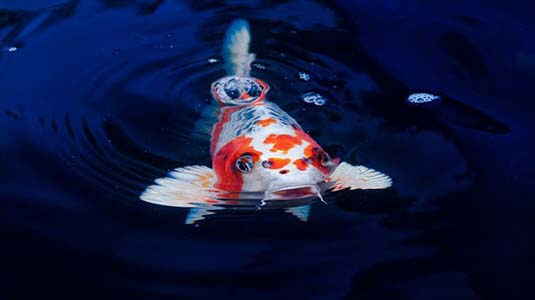
Contrary to popular belief, the koi fish is thought to have originated in China. The fish were later used as a food source before the Japanese began breeding them for their aesthetic appeal in the mid-1800s.
Popularity Contest
In Japan, the most popular variety of koi is the Kohaku, a red and white koi. In the United States, the most popular are the Kohaku, the Taisho Sanke, and the Showa Sanke. The Taisho Sanka and the Showa Sanka are both red, white, and black.
Smarty Fish
Koi fish are very intellectual. Like a dog or a cat, they can be trained to eat out of your hand and sometimes even out of your mouth. Koi fish are omnivores and are known to munch on pond plants.
Body Works
Koi fish can grow up to three feet long if raised in the ideal conditions. They can become sunburned if a pond is too shallow and has little shade. Koi fish don’t have teeth. Females are larger than males.
The Great Mate
In the mating process, koi fish eat their young, recently-hatched offspring called koi fry. Koi fish need to be removed from the fry during the mating session to preserve the fry.
If a breeder raises a highly sought after koi, it can sell for thousands of dollars. $250,000 is not unheard of for a prized koi fish.
Great-Great-Great-Great Grandpa Koi
A legendary koi named Hanako lived to be the oldest koi of all recorded history. Hanako was hatched in 1751 and lived to the ripe old age of 226, passing away in 1977. This famous Japanese koi lived through the Industrial, American, and French Revolutions, saw the formation of the United States, the invention of electricity and the automobile, survived World War I and II, and even lived into the Vietnam War! That’s one long life span! However, most koi live 30-40 years.
Showing Their Age
While Hanako may have lived for 226 years, the koi’s age was not visible to the naked eye. Microscopic growth marks cover a koi fish’s scales like that of the rings on a tree. These can show patterns of rapid growth or shortage of food.
Representations
Koi fish symbolize many virtues in Asian cultures. They are recognized as symbols of perseverance and endurance, as well as strength and individualism.
A Rainbow of Ideals
Because koi fish can develop such an array of colors, it comes as no surprise that each hue has developed a connotation. Gold koi fish represent wealth and prosperity. Metallic koi symbolize success in business. A blue koi is thought to bring serenity. Asagi koi of blue, red, and grey colorings symbolize positivity. Black koi are thought to hold a patriarchal symbolism, with red belonging to the mother, blue to the son, and pink to the daughter.
They are illegal in the state of Maine
In 2014, a Maine woman had her Koi forcibly removed from her residence after a failed attempt to legalize Koi keeping in her home state. Having a Koi pond and keeping Koi fish is currently legal in 49 out of 50 states. She fought all the way to the state’s supreme court, but was ultimately rejected when they upheld the lower court’s ruling.
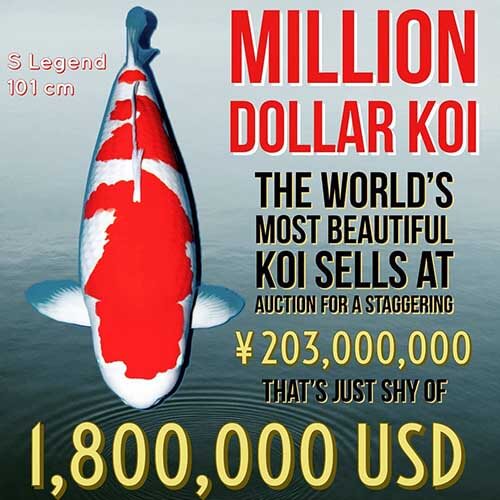
Koi can be worth tens or even hundreds of thousands of dollars
Koi that have the perfect body conformation, skin quality, color, and pattern of color are sought after by hobbyists who want to compete in Koi shows. Competition is fierce and many will pay big money in order to gain an edge on other entrants.
Koi can grow up to 3 feet long
You may have only seen the small fish in the tanks at your local pet shop, but given the right conditions, Koi can grow from 2 to 6 inches a year. Before long they can grow larger than a cat or a small dog!
Koi can survive the winter outside in the pond
They are cold blooded and can adapt to conditions in large temperature range. During the winter, Koi go dormant and remain at the bottom of the pond where the water temperature is the warmest. A hole in the ice is required so that fresh oxygen can enter the water and carbon dioxide can exit.
Without a filter, they would poison themselves
Koi excrete Ammonia through their gills and in their fish waste. Without a filter to process the Ammonia, the concentration will build up in the water and their pond environment will eventually become toxic.
Koi come in over 200 varieties
Koi can be red, white, black, yellow, brown, grey, green, blue and have several combinations of those colors. The colors can also be non-metallic or metallic. There are even scaleless, longfin and gin rin, which is a pearlescent addition to the color for varieties of Koi.
They can be trained to eat from your hand
If you hold Koi food in your hand and then place it in the water while staying still, they come up and eat right from your hand. Though it may take a few days or even a few weeks for them to get used to you.
Koi will follow you around the pond and beg for food
They will even do it 20 minutes after you feed them. Sometimes they act like they are starving.
People keep Koi as pets on 6 out of 7 continents
Koi keeping is now a worldwide hobby. Until the 1960’s, Koi keeping was almost exclusively a Japanese practice. The advent of jet travel and polypropylene bags changed that and the hobby started spreading around the world.

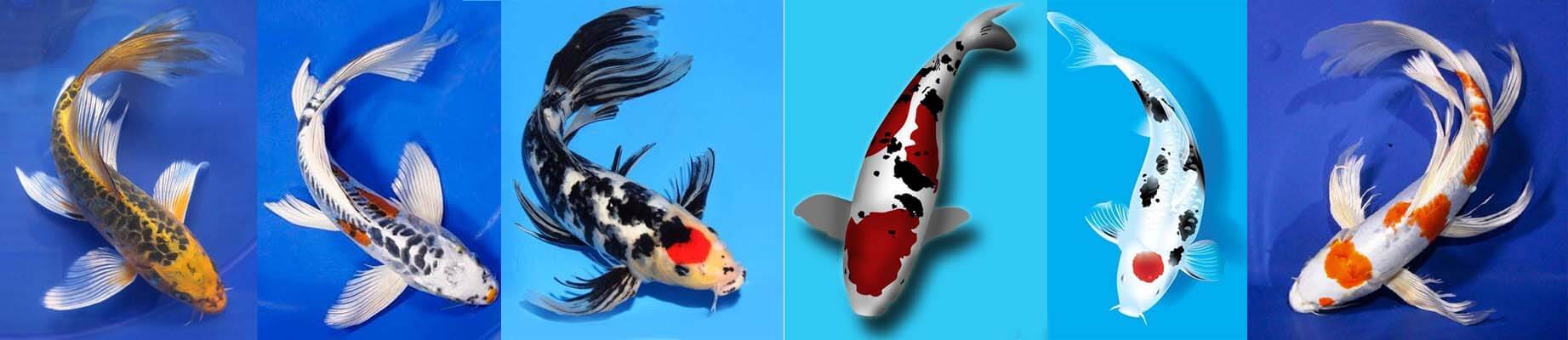
Feng Shui Koi Fish Paintings
I decided I wanted to paint a Feng Shui Koi Fish painting as I knew that Koi Fish are a symbol for positive energy and abundance, but I found out so much more about the specific colours and history of these beautiful fish.
Why Are Koi Fish Used in Feng Shui Art?
A Koi fish painting is an important Feng Shui cure as it attracts positive forces and numerous beneficial outcomes into your home and workplace.
Why Do They Have So Many Different Positive Associations?
Koi fish have a powerful and energetic life force and are able to swim against currents and travel upstream. This is why they are associated with; Good Fortune, Success, Courage and Determination.
Fish provide sustenance or nourishment and so are associated with Health, Wealth, and Prosperity.
They are also able to reproduce quickly in quite large quantities and so associated with Abundance.
In Japan Koi are seen as a symbol of good fortune, friendship and love and the word ‘koi’ comes from Japanese meaning ‘carp’. Within the Buddhist religion they symbolize courage.
The words for abundance and fish are pronounced the same in the Chinese language ‘yu’. Because of this the fish is considered to be the symbol of Wealth in Chinese culture.
In China the symbolic meanings of Koi fish are also believed to stem from the Legend of the Dragon which recognises the Koi for its bravery and strength.
Legend of the Dragon
In the Yellow River in China a large school of golden Koi swam upstream, gaining strength by fighting against the current. When they reached a waterfall at the end of the river, many of the Koi turned back, letting the flow of the river carry them away. The remaining Koi refused to give up and leaped from the river trying to reach the top of the waterfall, but without success. After a hundred years of jumping, one Koi finally reached the top of the waterfall. The gods recognised the Koi for its perseverance and determination and turned it into a golden dragon, an image of power and strength. The whiskers and scales of the Koi are said to resemble that of a dragon.
What Do the Different Colours Mean?
Koi fish were originally bred by the Japanese for their variety of beautiful and varied colours. The core colours are; black, silver, white, gold and red. Each colour represents different aspects or outcomes in life.
Kohaku Koi
Koi with a white body with red spots. Symbolises success in your career. Koi with a white body with red spots and a red circle on its head is believed to encourage advancement in your career.
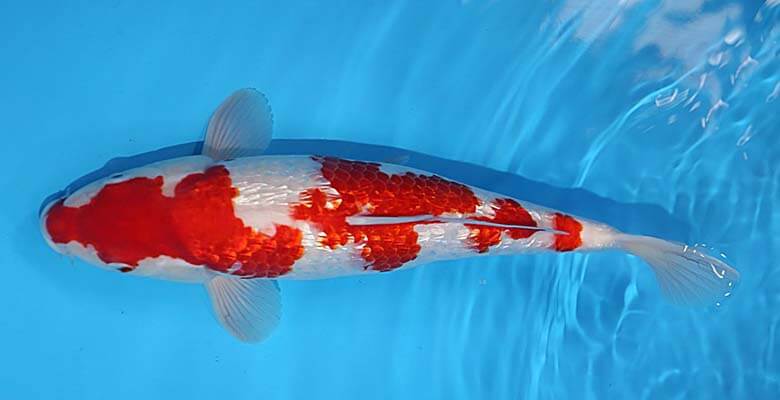
Kuchibeni Koi
White and red patterned Koi with red colouring around its mouth (the “lipstick” fish). Believed to inspire long lasting, loving relationships.

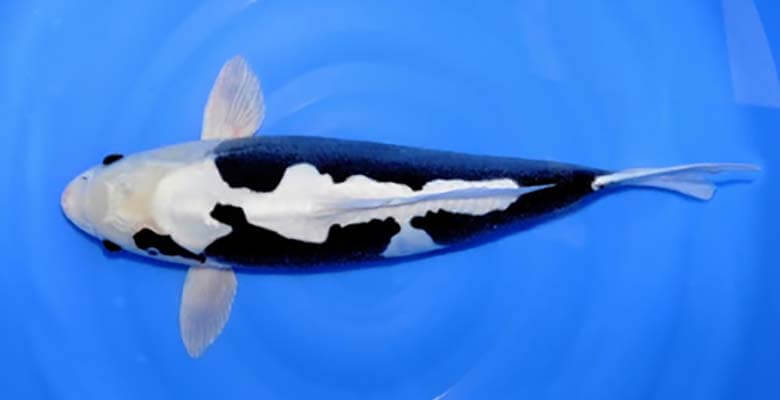
Kumonryu Koi
Koi with a white body and black spots. Symbolises life changes and transformations. All Black Koi, represents protection and is named after a Japanese dragon of transformation. The purpose of one black Koi in a painting is to absorb any negative energy that enters your home.
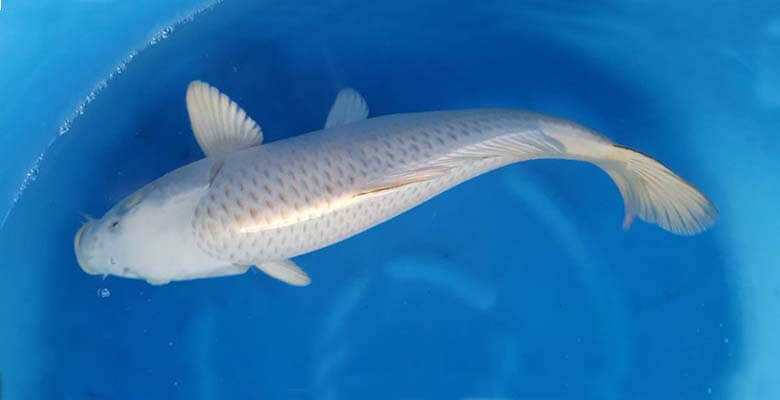
Ogon Koi
Silver coloured Koi. These Koi look metallic and represents the fulfilment of wealth in the form of success in business.
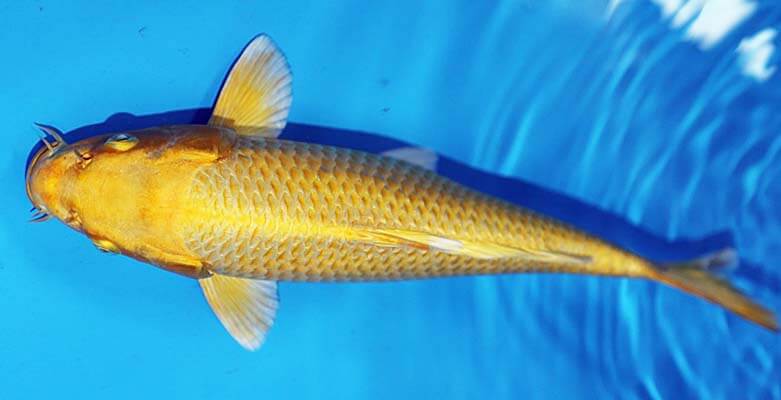
Yamabuki Koi
Gold coloured Koi. Represents gold, riches and wealth.
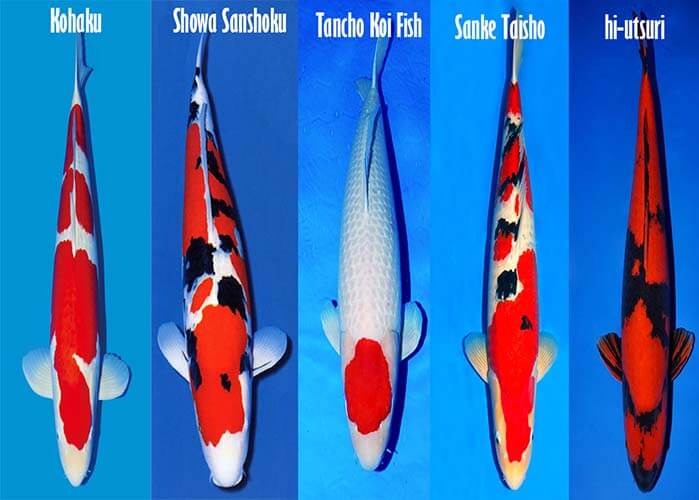
These Are 5 Common Types Of Koi Fish
Koi fish is a type of ornamental fish included in carp, which has a very beautiful pattern on his body. This fish comes from Japan, which was used as a fish for consumption, but now it is used as an ornamental fish because of its beautiful and varied colors with patterns. Koi fish are closely related to carp, so many people refer to Koi Fish as the Koi Carp. Koi fish are distinguished by color, size, and pattern on the body. Usually, the color of koi fish is white, black, yellow, orange, blue, red, and cream. Furthermore, due to its expensive price, people tend to feed those fishes with the best koi food that can keep their koi healthy and look beautiful.
Here are 5 common types of Koi Fish:
1. Kohaku Koi Fish
Kohaku Koi fish is a koi fish that has a solid white color with a hint of red on its body. This type of koi fish is the most famous and the oldest koi among other types of koi. Kohaku koi fish has many variations too.
2. Showa Sanshoku Koi Fish
Koi Showa Sanshoku is a type of koi that has a combination of red, white, and black on its body. The color combination in koi fish has similarities with koi Sanke for those who do not know in detail about these two types of koi fish, it will be difficult to distinguish them. Sanshoku koi showa fish has variations including Showa Tancho, Showa Marten, Showa Gin Rin, Showa Doitsu, and Showa Kin.
3. Tancho Koi Fish
Tancho Koi is a type of koi that has a white base color and a red color on the top of its head. Tancho koi fish has several variations including Tancho Gin Rin, Tancho Rin, and Doitsu Tancho.
4. Koi Sanke Taisho Fish
Koi Sanke Taisho is a type of koi fish that has a white base color with a combination of black and red patterns. This type of koi fish has several variations including Sanke Doitsu, Sanke Marten, Sanke Tancho, and Sanke Gin Rin Sanke.
5. Koi Fish Hi Utsuri
Koi Fish Hi Utsuri is a type of koi fish that has a black base color with a combination of red or orange. When it is young, this type of koi fish has a black base color with orange shades while at the time of adulthood the color will be red. This fish has 2 variants, Hi Utsuri Gin Rin and Hi Utsuri Doitsu.
What Does the Number of Koi Depicted in a Painting Mean?
2 Koi Fish represents harmony, love, peacefulness and happiness. The two yin and yang koi complete each other and create a perfect balance of negative and positive energies. The black and white tear drops of the yin yang symbol are said to be representations of two koi, one male and one female. The eye of each teardrop is symbolic of the constant watchful eye of the koi. A pair of koi is often used as a good luck symbol for a happy marriage.
3 Koi Fish represents energy, vitality and your overall well-being.
5 Koi Fish represents the 5 Blessings, which are wealth, good health, long life, love and a peaceful natural death.
6 Koi Fish represents success and stability of your business.
7 Koi Fish represents togetherness for Peace and Unity.
8 Koi Fish represents prosperity and incoming Wealth arriving into your home and business.
9 Koi Fish represents unity, prosperity and longevity. The number nine represents attainment and completion. Of the nine fish; eight gold or red fish and one black fish (representing protection) can be used, as seen in my Koi Fish painting above and linked here: Koi Fish Painting.
What Other Symbols Are Beneficial In Feng Shui Koi Fish Painting?
Water
The symbology of fish, is closely associated with the energy of water, water is a life giver and so a symbol of continuous abundance. A Koi fish painting containing the element of Water will produce positive and successful outcomes. The water must be gently moving or flowing and fresh and clear.
Paintings depicting Koi jumping over a wave represent success, it symbolises the ability to reach a better, higher level, or according to the legend, the Koi are rising to the Dragon’s Gate.
Lotus Flowers
Lotus Flowers are rooted in the mud of ponds and create beautiful flowers high above their roots. Koi painted with lotus flowers symbolise purity, perfection and spirituality in Feng Shui.
Round objects such pebbles and gold coins help chi energy to curve around and flow within the water of the painting.
Where is the Best Place in My Home for a Feng Shui Koi Fish Painting?
As Koi Fish paintings usually contain the water element they can be best placed in the Wealth & Blessings or Career Bagua areas. For more information about the Bagua visit my Feng Shui Art page.
Artwork you love, which contains positive images with which you identify or want to identify with, will help bring that aspiration into your life.
To view my artwork and information on which area of your home it is designed for enter the Gallery and click on the thumbnail picture.
I find these infos in variety of Feng Shui principles and Koi symbology.
If you have Chinese friends, you may often find Koi fish paintings in their living rooms or family rooms. Apparently, there are many meaning of koi paintings . For example, if there are nine fish then the owner will be given the highest luck. Gold fish depicted using gold ink is also interpreted as bringing prosperity. There are often paintings of lotus flowers in the painting. Lotus flowers, according to Chinese belief, means the Goddes Kwan Im, who is the goddess of luck.
Feng Shui
Fengshui is an ancient science of construction that originated in China over 3500 years ago. Feng shui literally means”wind” (feng) and water (“shui”). It’s the art of arranging buildings, objects, and space to achieve harmony and balance. Feng shui works on the assumption that the world is driven by unseen forces. The idea behind it is to “unblock” the way, so the forces may flow freely and create balance in life.
How To Hang Artwork The Feng Shui Way?
When a picture can tell a thousand words and kindle an equal number of emotions, it sure has the potential to energise a dull space. To attract the Chi to a particular area of the house, you can include various artwork based on the bagua area it corresponds with. We bring you some useful Feng Shui tips for placing artwork at your home:
Lucky paintings: Classic Feng Shui paintings of Bamboo and Buddha can be used for attracting wealth and prosperity. Paintings of Koi Pond with colourful Koi fishes circling about, is also a popular Feng Shui artwork for good luck. Hang them on east, southeast or north walls. Chinese dragon is another lucky painting for success and luck.
Living room: Explore options like inspirational quotes, Buddha thangka wall tapestries or wall hangings that denote a Feng Shui symbol.
Bedroom: Hang auspicious paintings such as those of birds, flowers, etc. on the east wall of the bedroom. Avoid displaying water features through pictures in the room. Remember to select paintings with pairs of birds for yin-yang balance.
Keep in mind
Always include artwork which depicts positive emotions. Avoid abstract paintings or artwork which depicts negative emotions – anger, anxiety or sadness. Opt for a large piece of art rather than small fragmented images. Moreover, when placing them, make sure the centre of the painting is at your eye level.
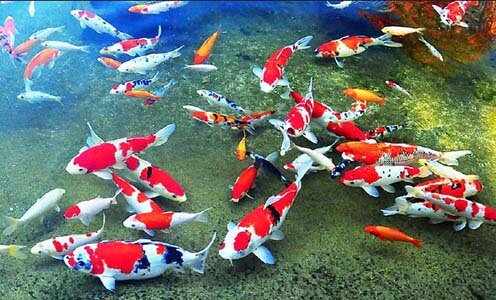

it has great variety in colour:
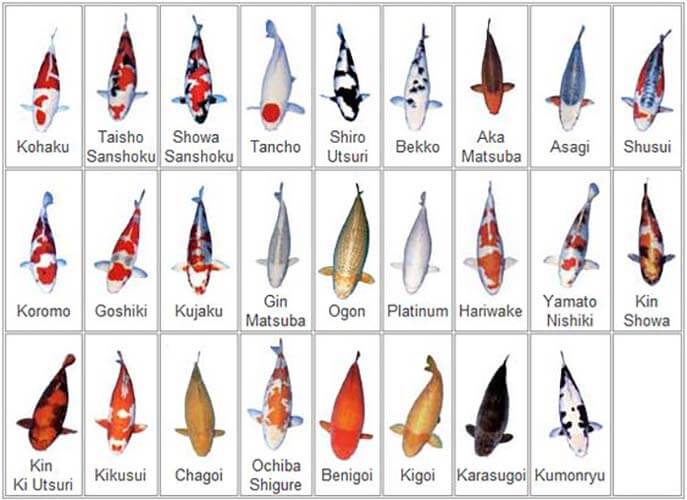
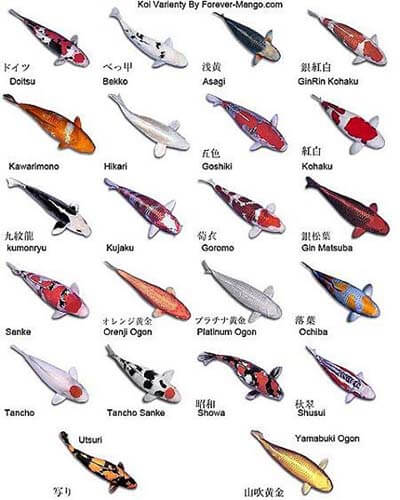
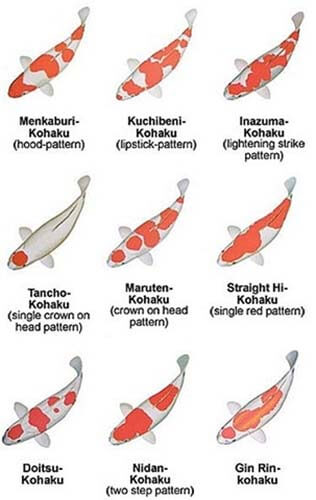
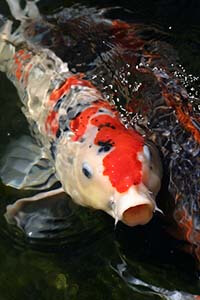
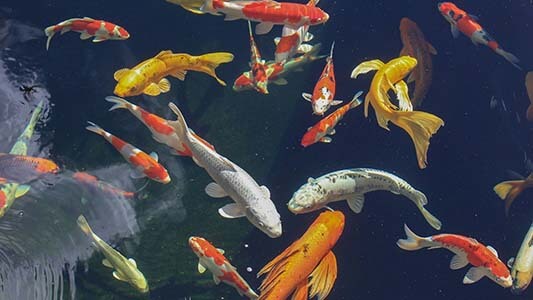
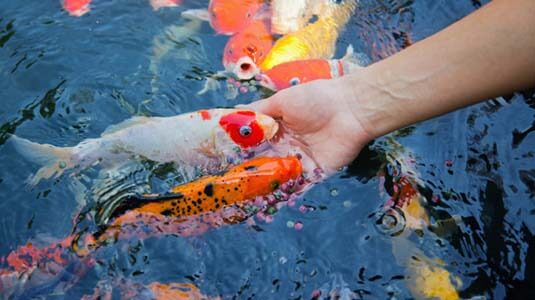
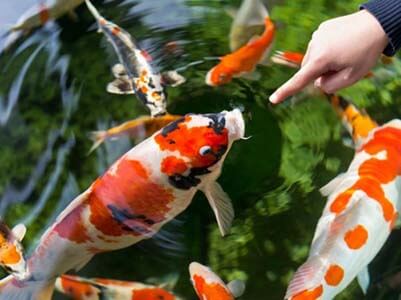
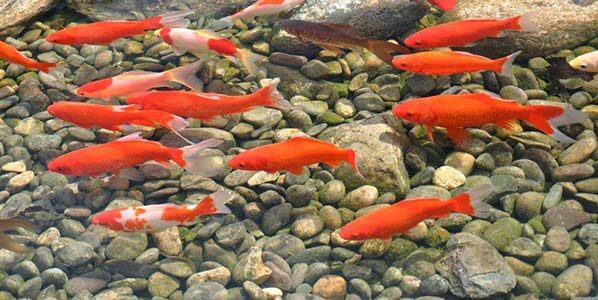
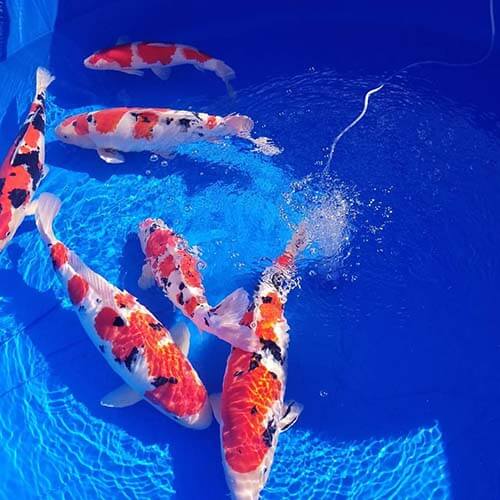
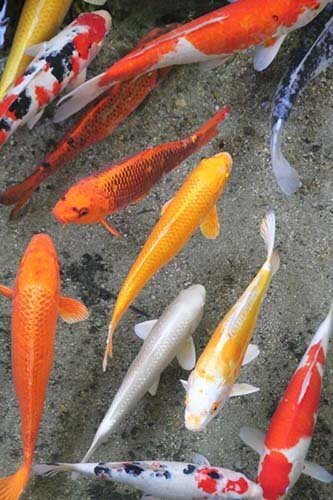
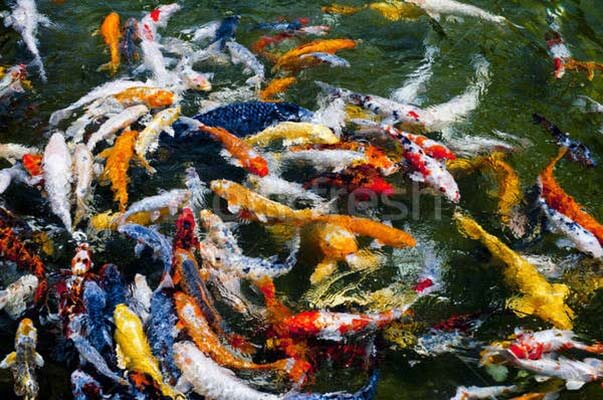
Beautiful pictures are in my pinterest album
pictures are mine or from pinterest.

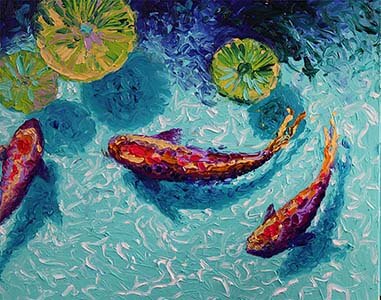
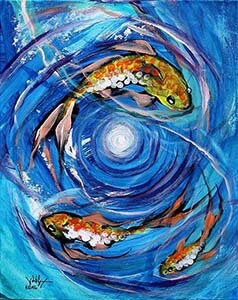
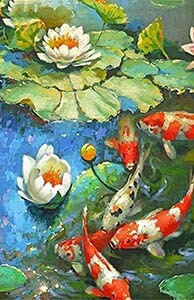
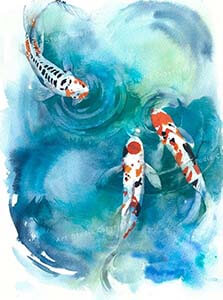
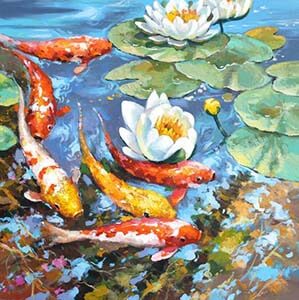
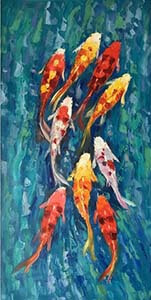
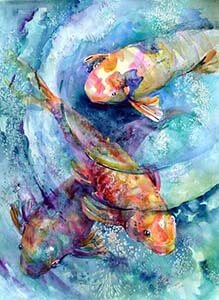
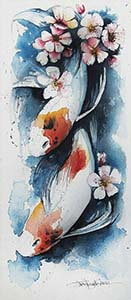
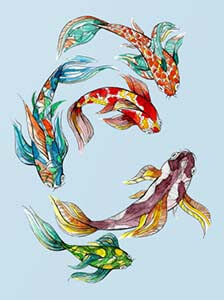
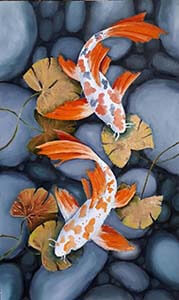
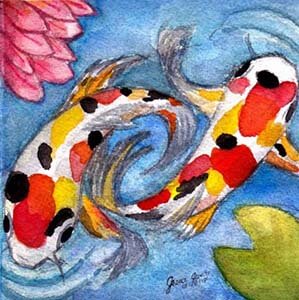
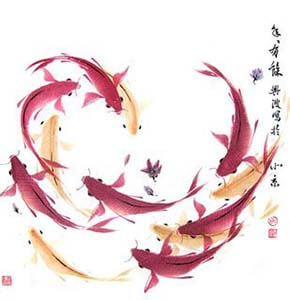
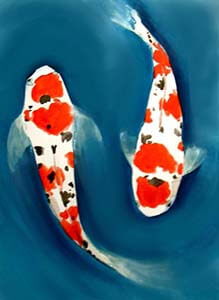
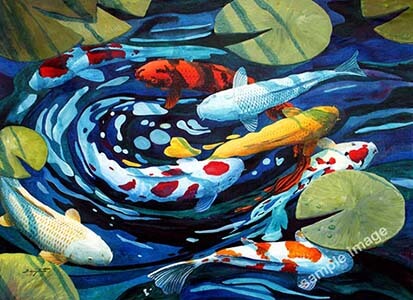
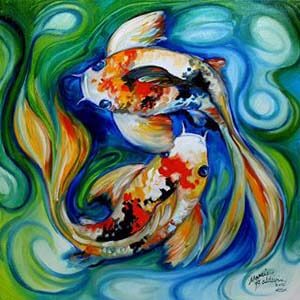
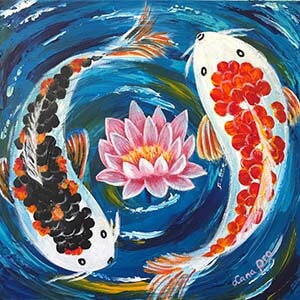
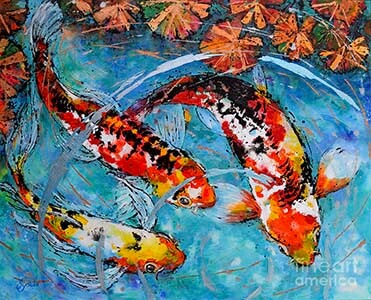

download the pdf-s
koi coloring 1 koi coloring 2 koi coloring 3 koi coloring 4
koi coloring 5 koi coloring 6 koi coloring 7 koi coloring 8
or the jpg-s
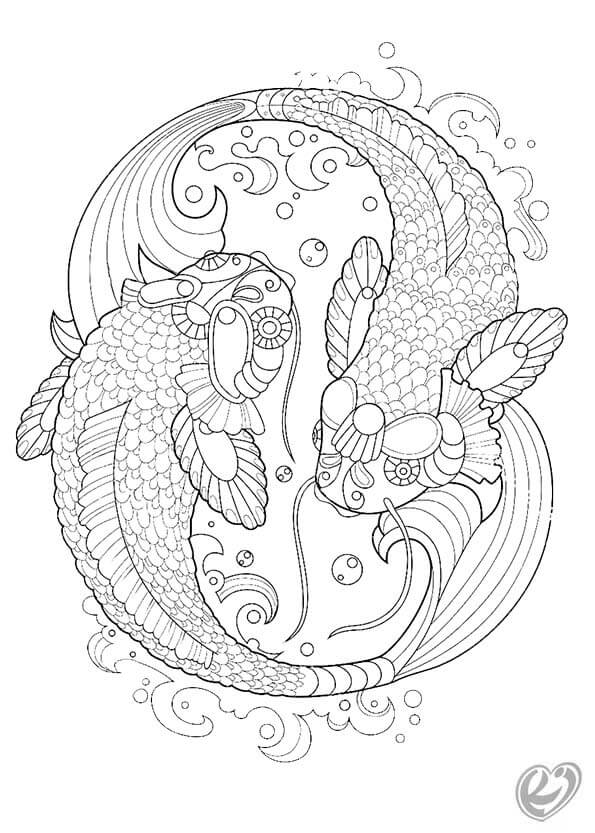
koi coloring 1
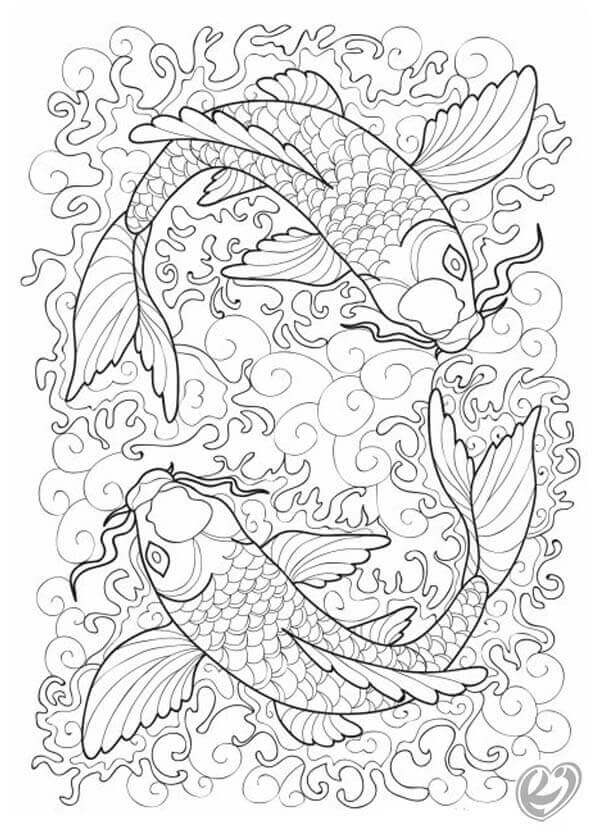
koi coloring 2
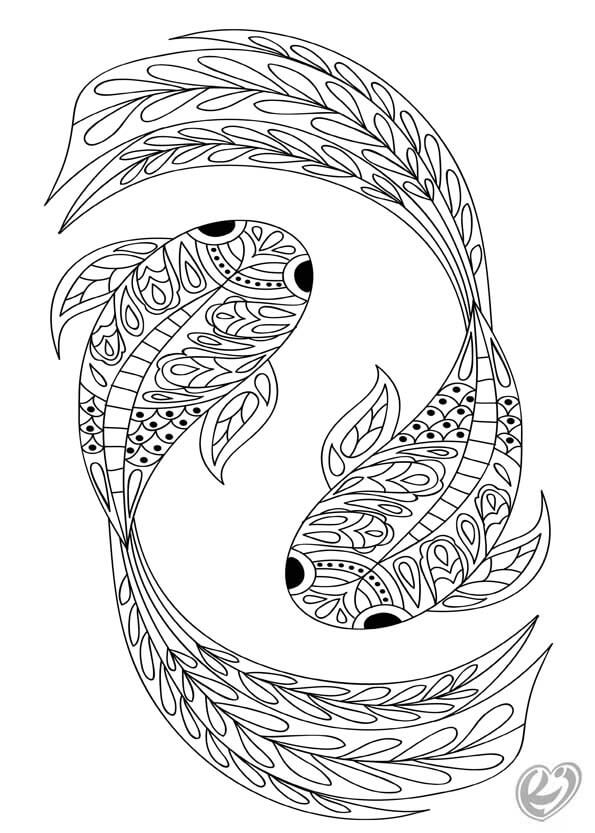
koi coloring 3
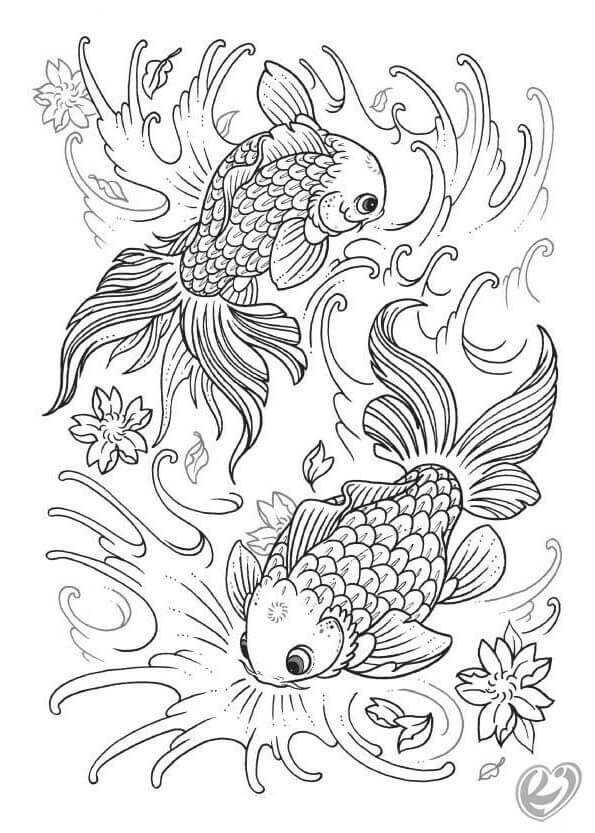
koi coloring 4
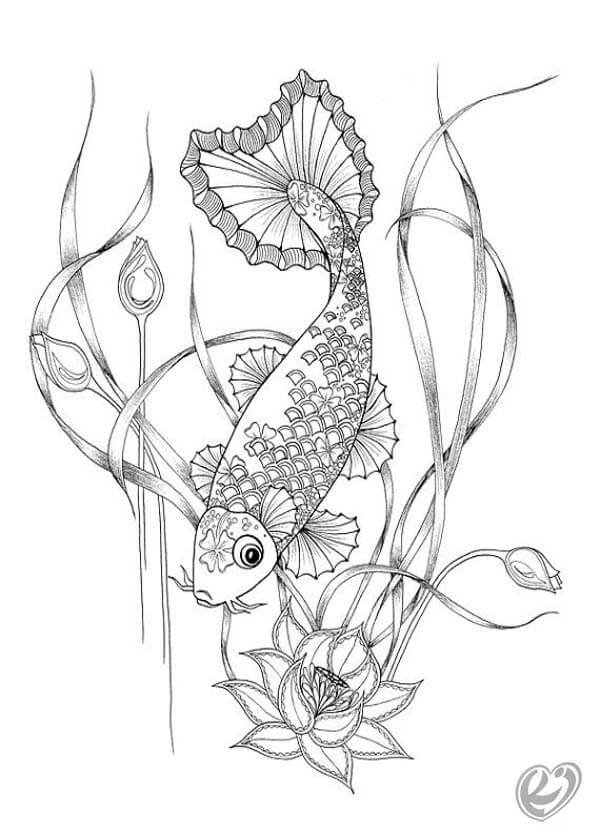
koi coloring 5
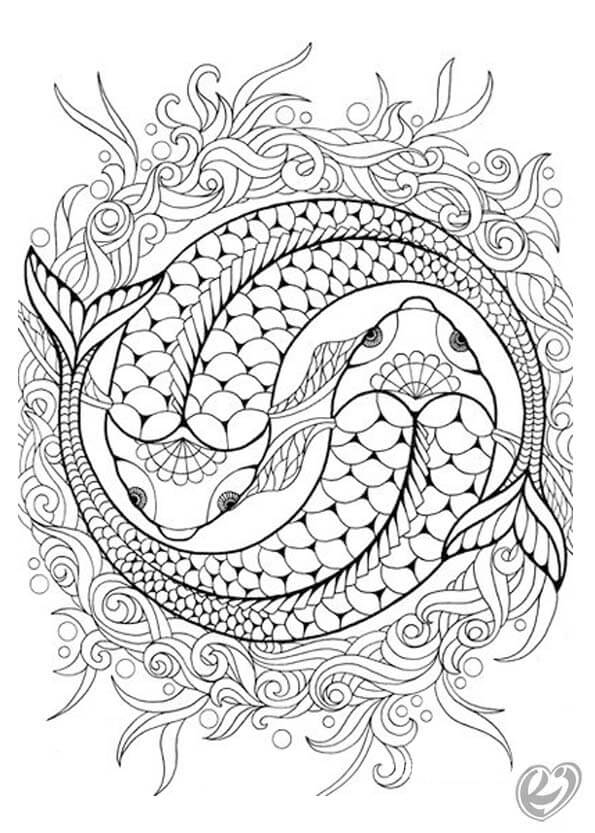
koi coloring 6
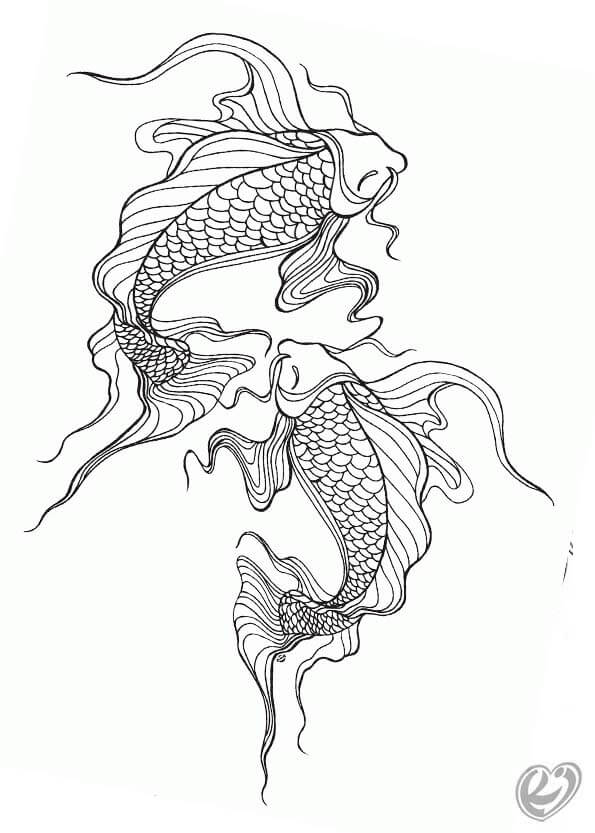
koi coloring 7
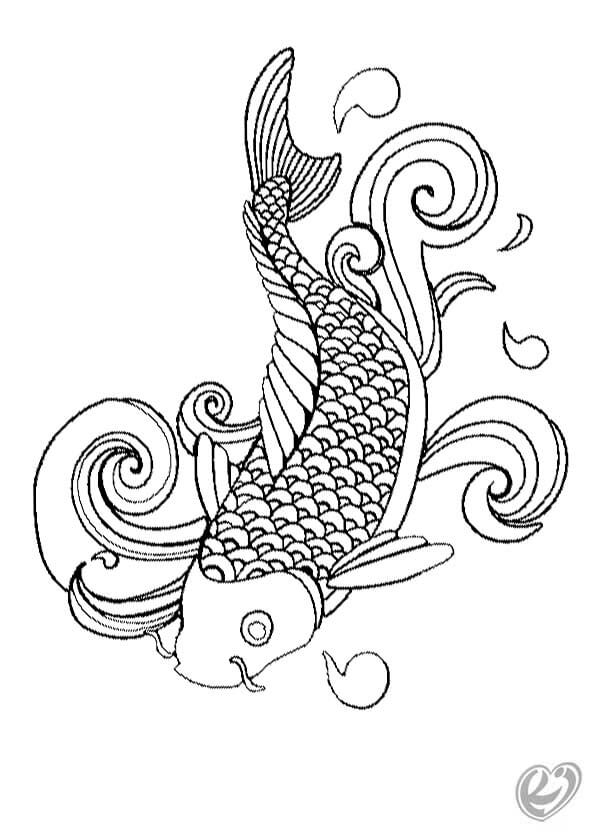
koi coloring 8
These are the round koi mandalas for inspiration.
You can draw your own or copy one of them and paint
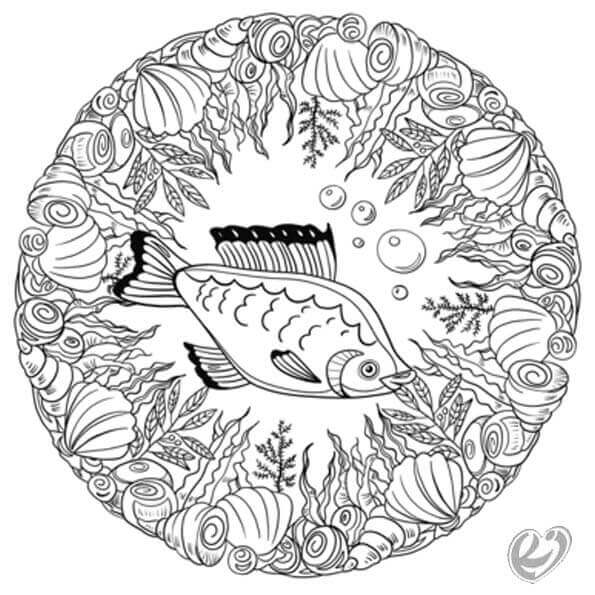
koi coloring circle 1
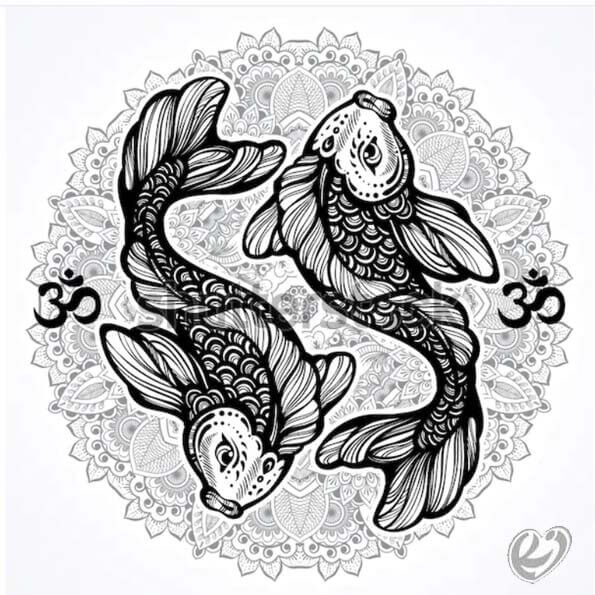
koi coloring circle 2
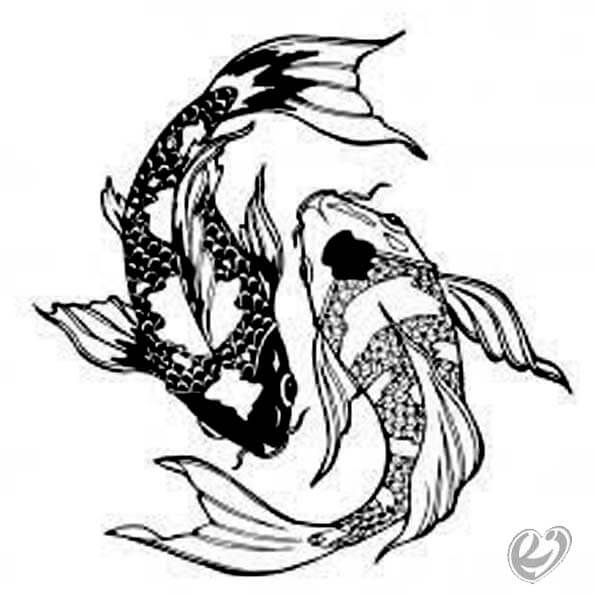
koi coloring circle 3
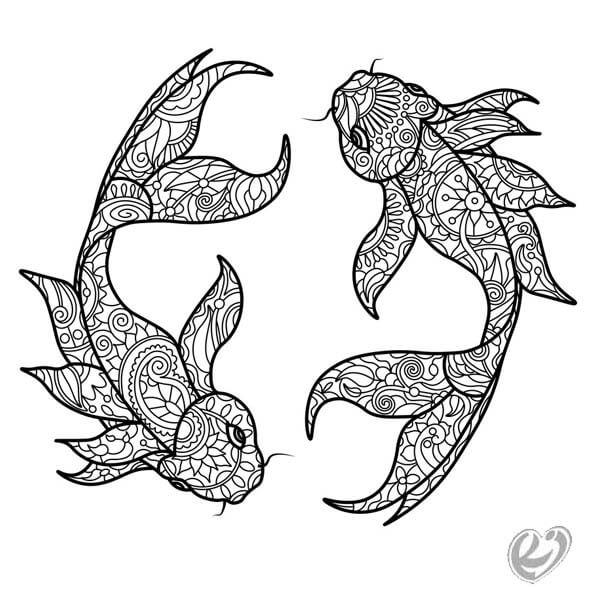
koi coloring circle 4
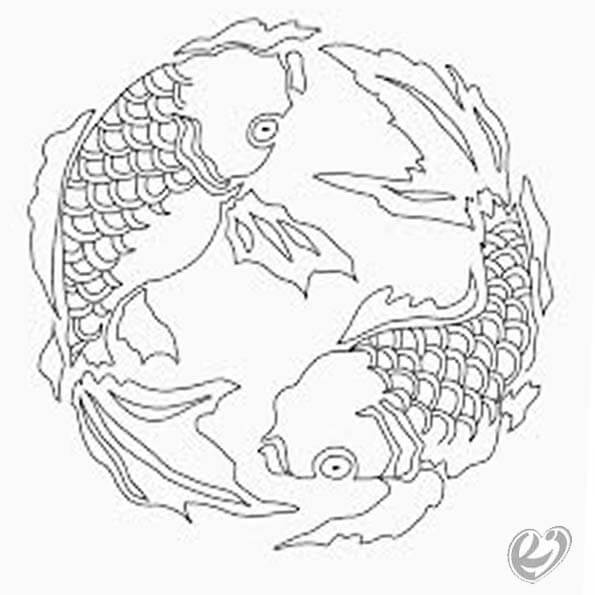
koi coloring circle 5
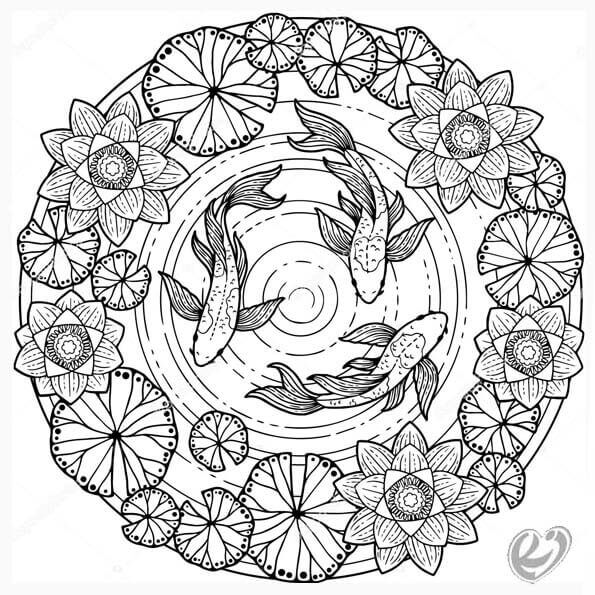
koi coloring circle 6
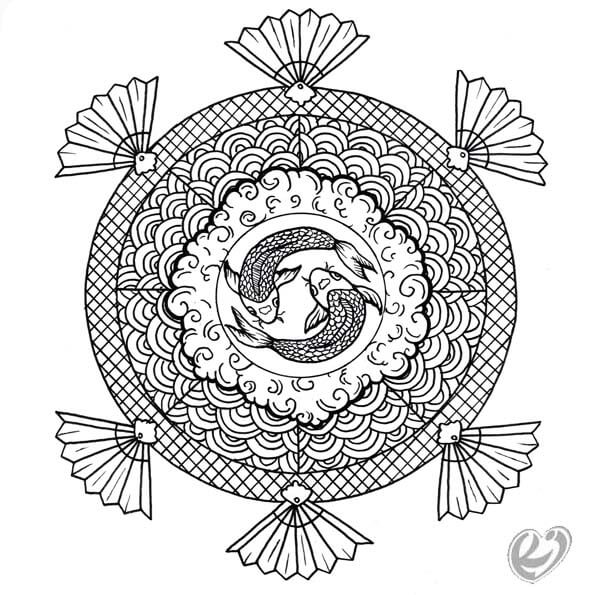
koi coloring circle 7
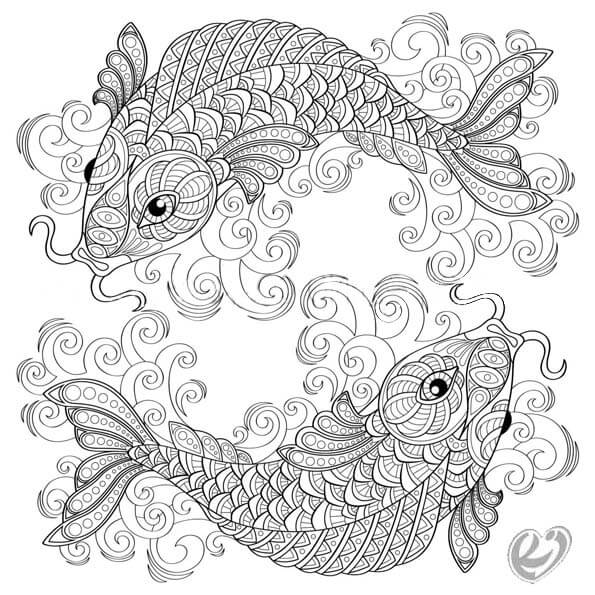
koi coloring circle 8
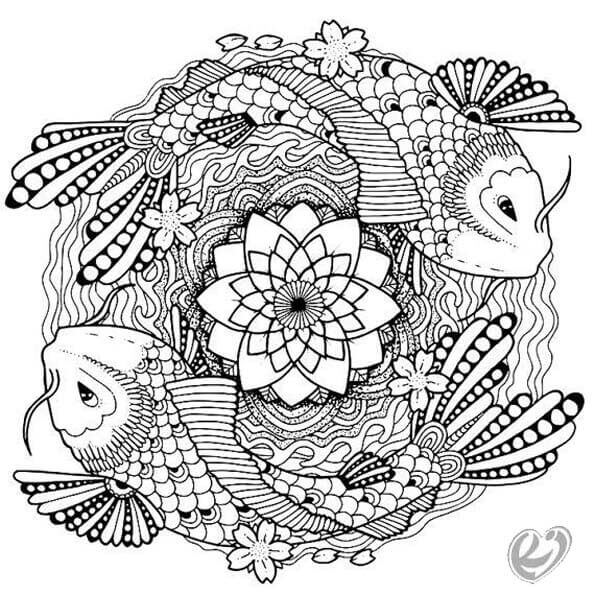
koi coloring circle 9
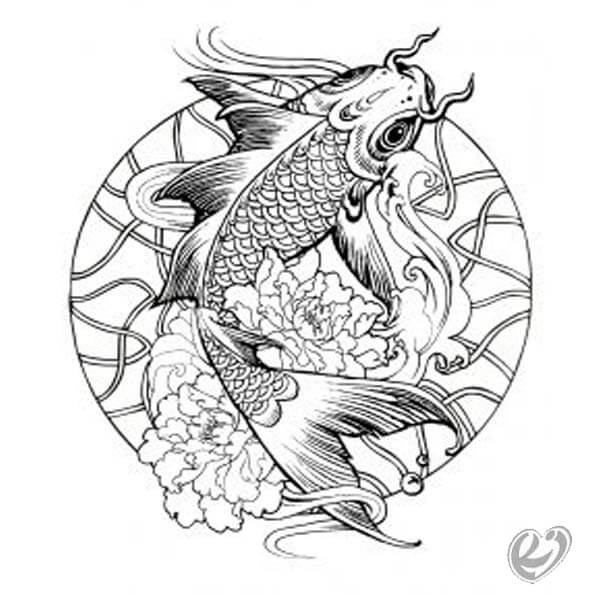
koi coloring circle 10
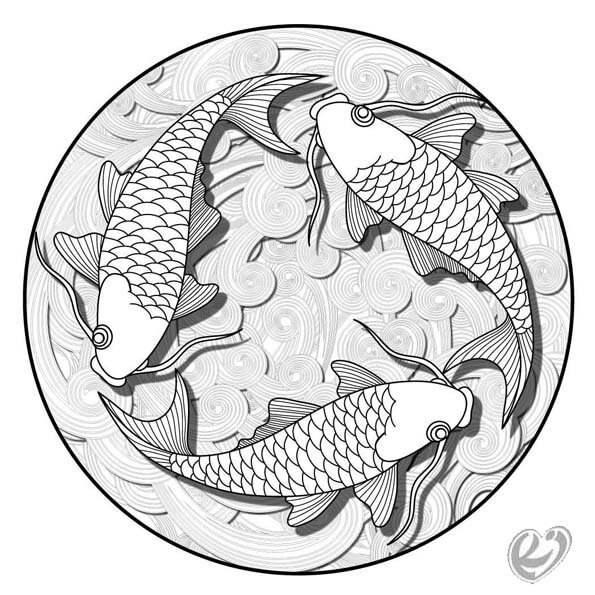
koi coloring circle 11
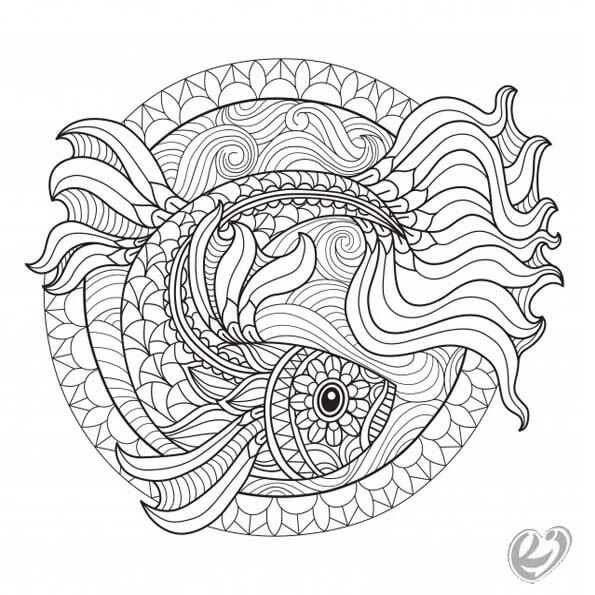
koi coloring circle 12
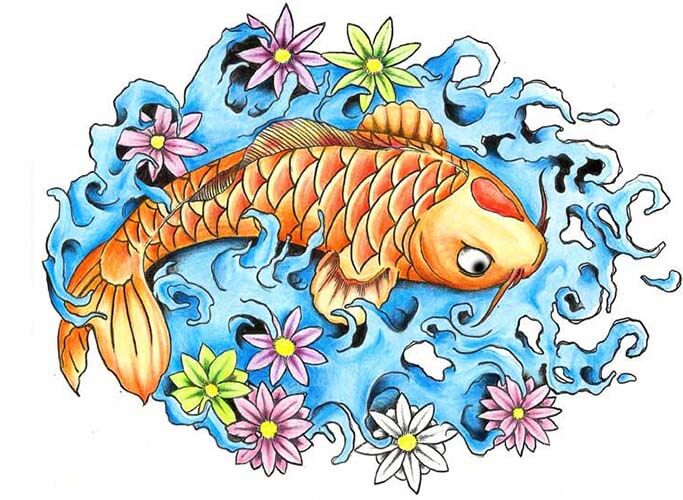
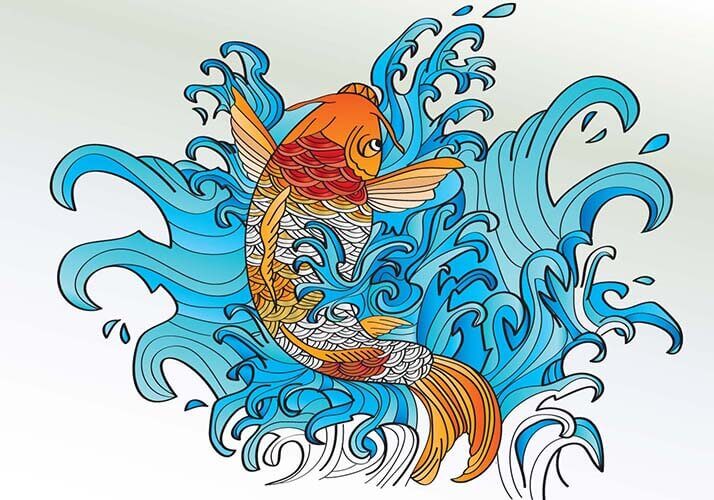
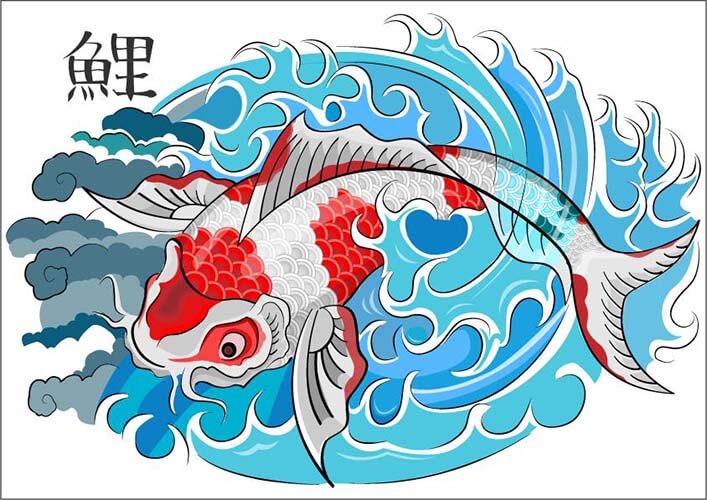
I collected plenty of picture to my pinterest album

A year ago I finished our bathroom door little windows.

As the waterlilies and kois were in my head suddenly I decided to make a koi mandala.
Yin Yang Koi Fish
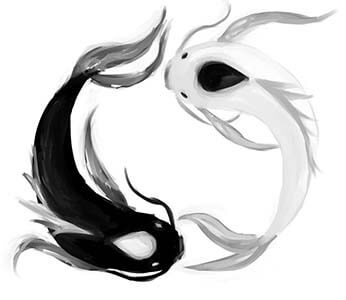
In feng shui, the koi is tied to the yin yang symbol. In fact, the black and white teardrops of the yin yang symbol are said to be representations of two koi, one male and one female. The eye of each teardrop is symbolic of the constant watchful eye of the koi. This pairing of fish is often seen outside the context of the yin yang symbol as well. For example, a pair of koi is often used as a good luck symbol for a happy marriage.
What Is Yin and Yang?
According to yin yang philosophy, the universe and everything in it are both constant and cyclical. In this infinite cycle, one force dominates and is then replaced by the opposing force. Examples illustrating the yin yang philosophy include:
- Life and death
- Heaven and earth
- Male and female
- Sun and moon
- Black and white
- Night and day
- Dark and light
- Health and sickness
- Poverty and wealth
- Cycle of the seasons from spring to winter
- Cold and hot
- Positive and negative
Why is Feng-Shui Important?
According to Feng-Shui, good fortune comes in many forms, good health, wealth, a full-filing relationship and strong career. There are 2 basic principles of Feng-Shui:
1) The Principle of Yin-Yang:
It is an important principle to Feng-Shui as the core belief lies in the balance of Yin (Feminine) & Yang (Masculine) energy.
Frame of References
Yang Yin
Light Bright Dark
Temperature Hot Cold
Position Upper Lower
Action Movement Rest
Direction Outward Inward
Physiological functions Excitatory Inhibitory
It is thereby important to maintain the Yin-Yang balance for a good flow of Chi-Energy.
2) The Principle of 5 elements:
It is another basic principle of Feng-Shui. As per this, there are 5 elements in the universe which are Wood, Fire, Metal, Earth and Water. These elements interact with each other in productive or destructive cycles.
Each of these is represented by a few colours which are as follows:
Wood: Green, Brown
Fire: Red, Strong Yellow, Orange, Purple & Pink
Metal: White & Gray
Earth: Light Yellow, Sandy/Earthy & Light Brown
Water: Blue & Black
Correct placement of these colours is very important for the flow of Chi-Energy in your house or workspace.
 Koi yin yang
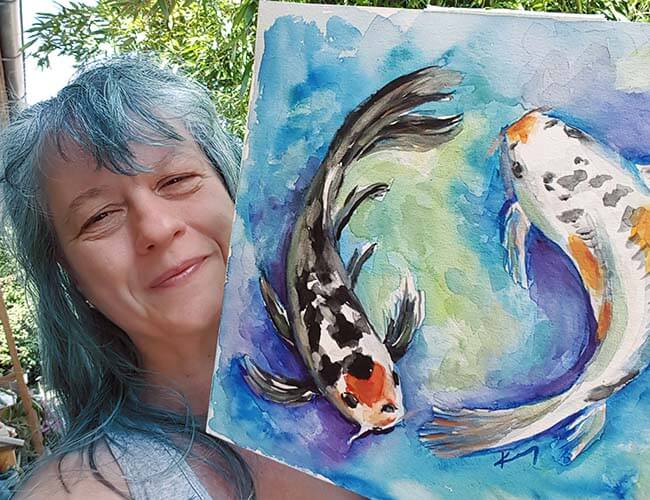
supplies:
- paper: 30x30cm 300gr aquarelle paper (I used a sheet from the Hahnemuhle block)
- HB pencil for the underdrawing
- brush Use a big flat or round is upon you and a smaller for details
- aquarelle set I use my old White Nights set and a Schmincke we use different blues, green, yellow, orange, black
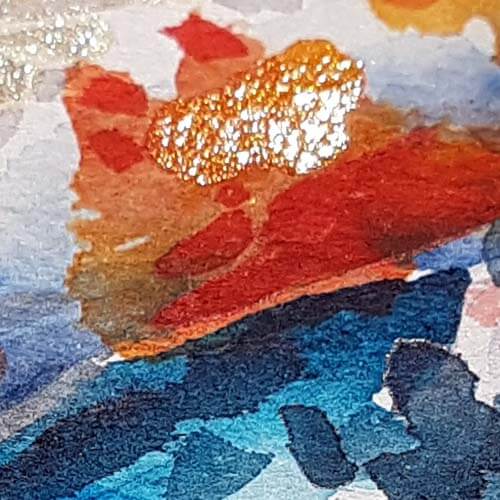
- Metal paint: Paul Rubens glittery aquarelle I wrote about it in the warm-up lesson and I made a video where I unpack it and make my colour chart, it is in my other lesson. and I have some handmade pan I bought on Aliexpress
- fresh water, change into clean if it is dirty or use 2 jar one for cleaning the brush one for diluting the pain (or one for warm colours one for cool colours to avoid muddy colours)
- tissue paper
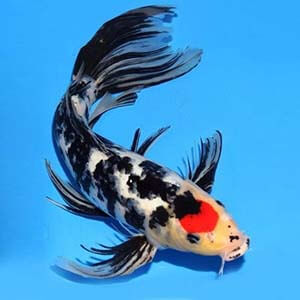
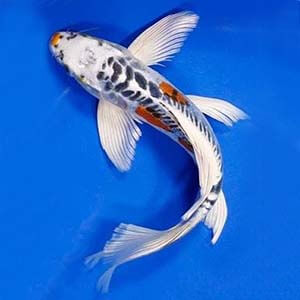
reference photos:
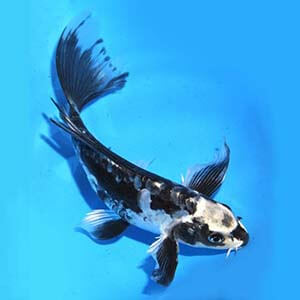
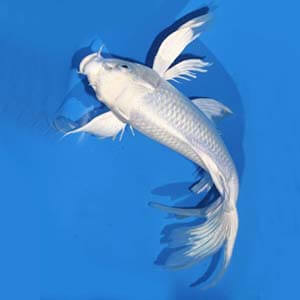
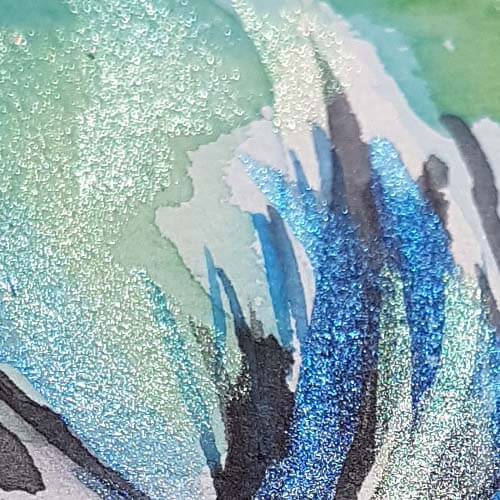
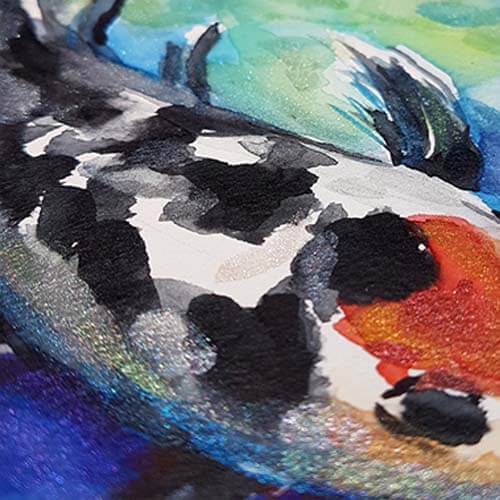
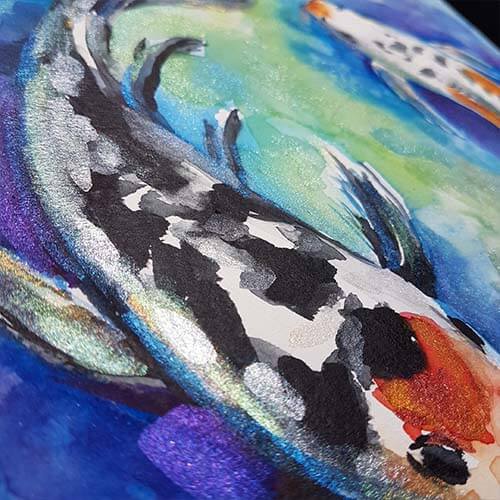
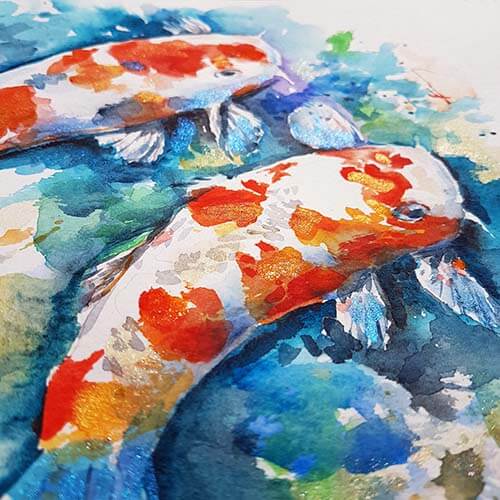
ready painting
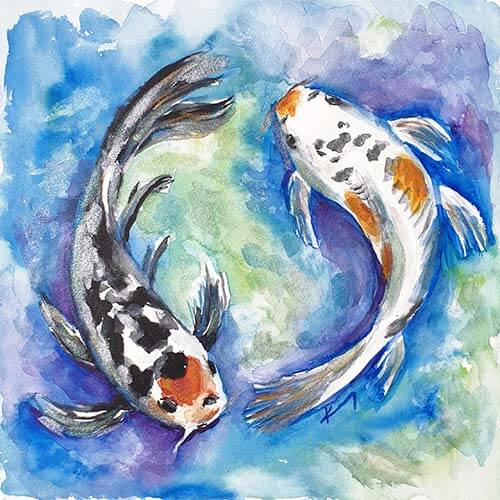
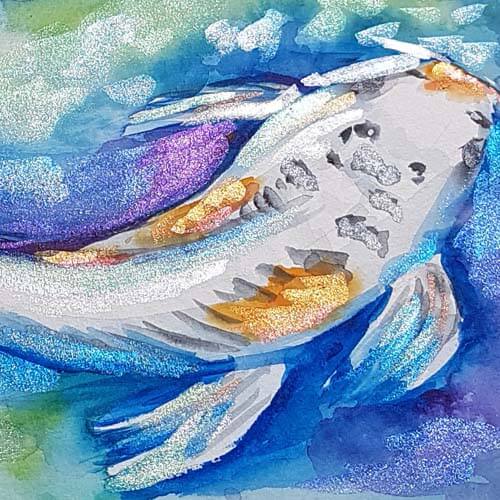
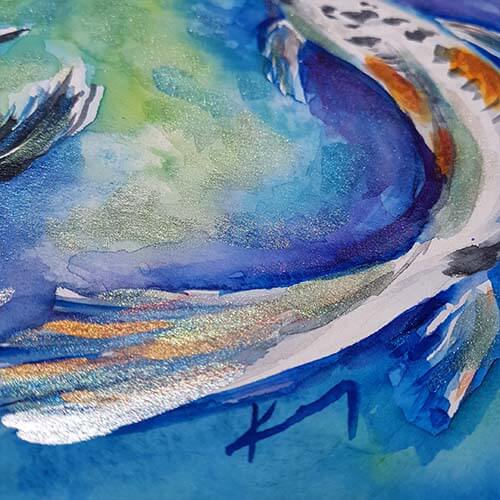
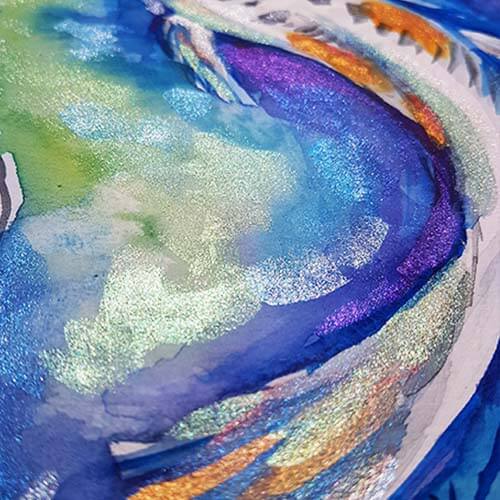
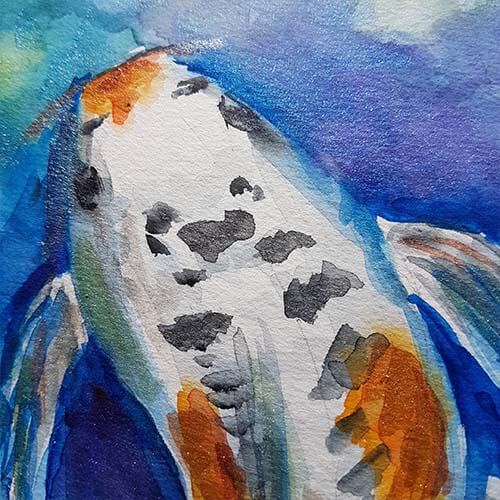
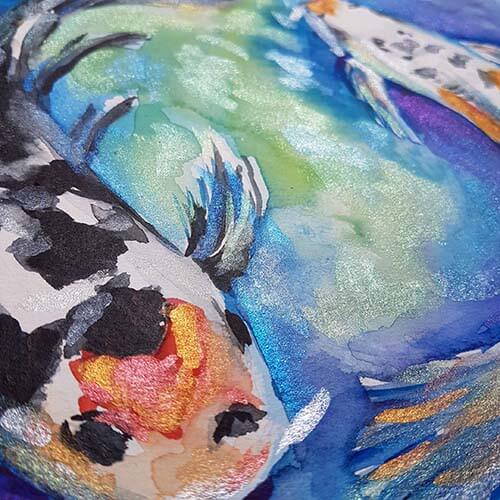
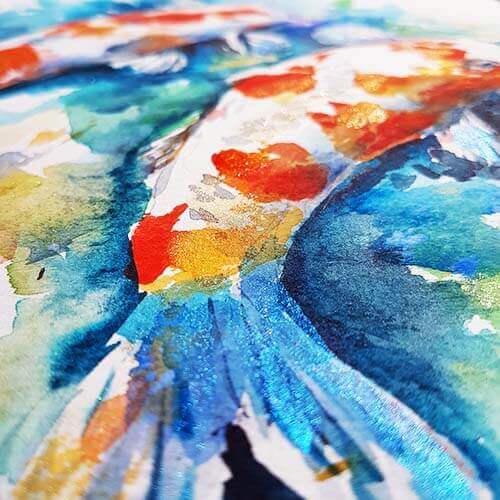
 Koi the living jewel
supplies:
- paper: 30x30cm 300gr aquarelle paper (I used a sheet from the Hahnemuhle block)
- brush I have a No10 Munkácsy artist brush (good hungarian brand) similar to Da Vinci Casaneo (casaneo No 10 is much bigger in size this is about 8) and small brushes A good artist brush is enough as it holds big amount of water or paint and bristle tip is great to tiny lines too) You will see that I change from the small vrush to the bif and I paint thinner line with it.
- aquarelle set I use my old White Nights set and a new one as from the old some pans run out and an extra colour of Azure blue
- Metal paint: Paul Rubens glittery aquarelle I wrote about it in the warm-up lesson and I made a video where I unpack it and make my colour chart, it is in my other lesson.
- fresh water, change into clean if it is dirty or use 2 jar one for cleaning the brush one for diluting the pain
- tissue paper
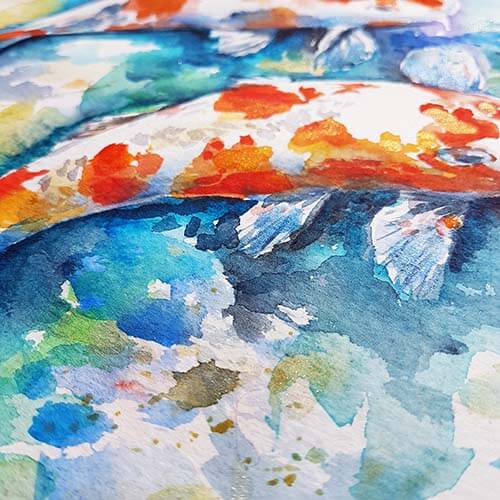
ready painting



Do you like fish? Do you have an aquarium in your home?
Are your house designed by feng shui?
I would be very happy to see your painting will you upload them to the fb group?
and to the instagram with this hastag: #natureartwithildy #natureartsummer – hashtag your work from the course and follow hashtag to see what other students are creating! Follow me on Insta HERE. Happy creating!