

dear Artfriends,
Our week’s theme is DREAMCATCHER
We put together our mandalas and feathers from the previous lessons to our special dreamcatcher.
You can paint or make your own homemade dream catcher!
In some Native American cultures, a dreamcatcher or dream catcher (Ojibwe: asabikeshiinh, the inanimate form of the word for “spider”) is a handmade willow hoop, on which is woven a net or web. The dreamcatcher may also include sacred items such as certain feathers or beads. Traditionally they are often hung over cradles as protection. It originates in Ojibwe culture as the “spider web charm” (Ojibwe: asubakacin “net-like”, White Earth Band; bwaajige ngwaagan “dream snare”, Curve Lake Band), a hoop with woven string or sinew meant to replicate a spider’s web, used as a protective charm for infants.
Dreamcatchers were adopted in the Pan-Indian Movement of the 1960s and 1970s and gained popularity as a widely marketed “Native crafts items” in the 1980s.
According to tradition, a small circle or teardrop-shaped frame is made of a web of animal tendon or thin yarn. The dream catcher is hung over the bed, used as a spell to protect their children from nightmares. The dreamcatcher made of willow and tendons does not live forever, indicating that the child has passed into adulthood by drying out. The Indians believe that the dreamcatcher filters out the bad dreams: “Good dreams pass through the opening, but bad dreams are trapped in the net and lost in the light of dawn.
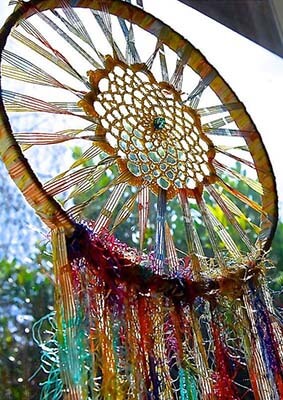
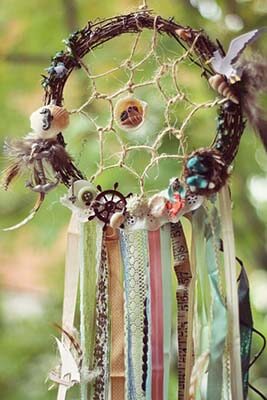
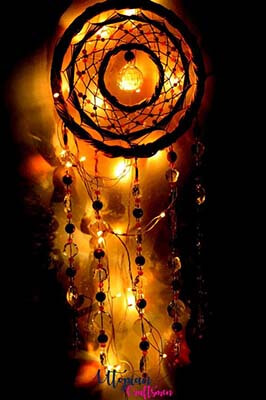
Ethnographer Frances Densmore in 1929 recorded an Ojibwe legend according to which the “spiderwebs” protective charms originate with Spider Woman, (is an important figure in mythology oral traditions and folklore in many Native American Cultures, especially in the Southwestern United States) known as Asibikaashi; who takes care of the children and the people on the land. As the Ojibwe Nation spread to the corners of North America it became difficult for Asibikaashi to reach all the children. So the mothers and grandmothers weave webs for the children, using willow hoops and sinew, or cordage made from plants. The purpose of these charms is apotropaic and not explicitly connected with dreams:
Even infants were provided with protective charms. Examples of these are the “spiderwebs” hung on the hoop of a cradle board. In old times this netting was made of nettle fiber. Two spider webs were usually hung on the hoop, and it was said that they “caught any harm that might be in the air as a spider’s web catches and holds whatever comes in contact with it.”
How do legends speak?
According to the myth, a wizard in the form of a spider showed the image of a dream trap to one of the Indians. It was considered not only to prevent bad dreams, but also we can change the dreams. The good dreams get through the filter, the feathers let go to the sleeping man and disappear with the sun.
According to a Lakota ( Native American tribe) explanation, he says the opposite is true: nightmares go through the net, leave through the window on the wings of the wind, while good dreams stick to the net and reach the consciousness of man.

Some more legends:
Lakota legend of the Dreamcatcher (from the Lakota Museum)
Long ago, when the world was young, an old Lakota spiritual leader was on a high mountain. On the mountain, he had a vision. In his vision, Iktomi – the great trickster and teacher of wisdom – appeared in the form of a spider.
Iktomi spoke to him in a sacred language. Only spiritual leaders of the Lakota could understand. As Iktomi spoke, he took the elder’s willow hoop – which had feathers, horse hair, beads and offerings on it – and began to spin a web.
He spoke to the elder about the cycles of life and how we begin our lives as infants. We then move on to childhood and in to adulthood. Finally, we go to old age where we must be taken care of as infants, thus, completing the cycle.
“But,” Iktomi said as he continued to spin his web, “in each time of life there are many forces – some good and some bad. If you listen to the good forces, they will steer you in the right direction. But, if you listen to the bad forces, they will hurt you and steer you in the wrong direction.”
He continued, “There are many forces and different directions that can help or interfere with the harmony of nature and also with the Great Spirit and all of his wonderful teachings.”
All while the spider spoke, he continued to weave his web … starting from the outside and working toward the center. When Iktomi finished speaking, he gave the Lakota elder the web and said, “See, the web is a perfect circle, but there is a hole in the center of the circle.”
“Use the web to help yourself and your people … to reach your goals and make use of your people’s ideas, dreams and visions. If you believe in the Great Spirit, the web will catch your good ideas, and the bad ones will go through the hole.” (Note: Some bands believe the bad ideas are caught in the web and the good ideas pass through to the individual. Either account is acceptable.)
The Lakota elder passed his vision on to his people. Now, the Sioux use the dreamcatchers as the web of their life. Traditionally, it is hung above their beds or in their homes to sift their dreams and visions. Good dreams are captured in the web of life and carried with them … but the evil dreams escape through the center’s hole and are no longer part of them. (Note: Some bands believe the bad ideas are caught in the web and the good ideas pass through to the individual. Either account is acceptable.)
Lakota believe the dreamcatcher holds the destiny of their future.
Obtained from historical documents and believed to be public domain. from here
Catcher of bad dreams
One legend tells the story of a chief whose child becomes sick with a fever that causes terrible nightmares. A medicine woman makes a dream catcher by copying the pattern of a spider web. Instead of catching flies, the dream catcher will catch bad dreams. When nightmares came for the child, they were caught in the strands of sinew. But good dreams were able to pass through the web and follow the feather down to the child. In the morning, the sun would hit the dream catcher and burn away the bad dreams.
The spider in the window
Another legend tells the tale of a spider weaving its web in a window while a grandmother watched from her bed. When her grandson tried to squash the spider, the woman stopped him. The spider, grateful that her life was spared, gifted the grandmother with the web and told her that it would catch all of her bad dreams but let the good dreams through.
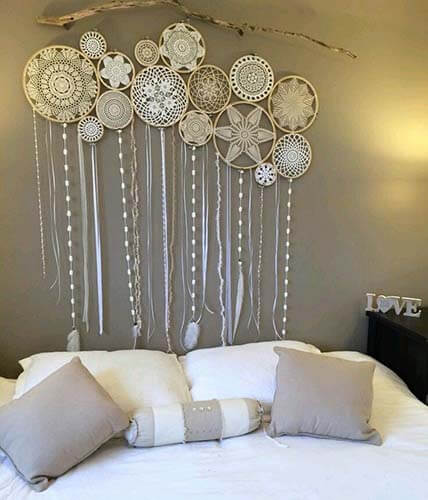
Dream Catcher Meaning: Web, Feathers & Beads
All parts of the authentic Native American dreamcatcher have meaning tied to the natural world. The shape of the dreamcatcher is a circle because it represents the circle of life and how forces like the sun and moon travel each day and night across the sky. The dream catcher web catches the bad dreams during the night and dispose of them when the day comes. As for the good dreams, the feathers act as a fluffy, pillow-like ladder that allows them to gently descend upon the sleeping person undisturbed. There is some contention when it comes to the meaning of the beads that often decorate the dreamcatcher. According to some American Indians, the beads symbolize the spider—the web weaver itself. Others believe the beads symbolize the good dreams that could not pass through the web, immortalized in the form of sacred charms.
What do you need for the Dreamcather?
A small circle (usually 9 cm in diameter) or a teardrop-shaped wooden frame (or som, cotton) is made of animal tendon or thin yarn (such as red cotton fiber) and colored with bloodthorn and wild plum bark. It is even customary to put feathers on the dreamcatcher, which means breath or air. When your baby sees the wind playing with the feather, it will not only be fun, but also a good lesson on the importance of air as it is necessary for life. Feathers can be from any bird, but owl and eagle feathers are often used. Owl pen for wisdom (Women’s pen), Eagle for courage (Men’s pen). Feathers became more difficult to obtain over time as other cultures began to kill the birds and became protected. Therefore, the ojibwe tribe began to use stones.
What does it make over our bed?
Originally hung over the bed to protect their children from nightmares. Due to its wooden structure, it does not live forever and indicates that the child has passed into adulthood. The Indians believe that the dreamcatcher filters out bad dreams. He passes on the good, traps the bad man, which disappear in the dawn. That’s why adults nowadays prefer to lay over their beds as well, who wouldn’t want to just dream good?
But some Indian wizards have used it and used it to filter out “predictive dream”. Than the dream trap must be dipped in the right material, such as earth, salt, sand, blood, water, and so on.
According to tradition, making a dreamcatcher requires pure thoughts and a peaceful soul, because whatever energies it is made, will be dominated by it.
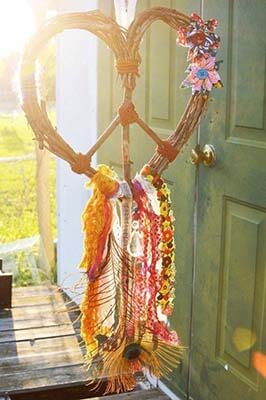
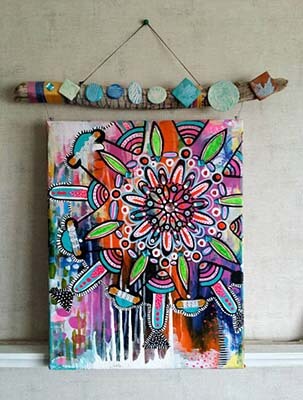
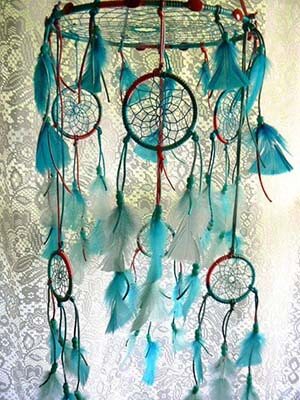
Why do we prefer to create instead of to buy?
You can buy and make a dream catcher at home, which you can use with your own power and energy, and of course you have to sanctify it. We can decorate with pearls, feather or crop, whatever. Then, at a full moon or a falling moon, you need to use a thread to suspend the lowest element of the dreamcatcher, to lead the dreams you need as a personal object, which can be augur. Finally, hang over your bed, but before we strew it with salt, from top to bottom, and our holy dreamcatcher is ready.
or you can buy one but now this is not an option 🙂
I find a website where you can read all about dreamcatchers
How do we make?
On the internet I found beautiful videos how to make easily but all of them uses metal ring for base. It can be easier to make but I think metal and wire are not authentical and old Indians got crazy to see it.
For some Native Americans, dream catchers have a broader meaning than just the legends related to dreams. For these people, dream catchers are totems that represent good energy and help to neutralize bad energy — whether you’re awake or asleep!
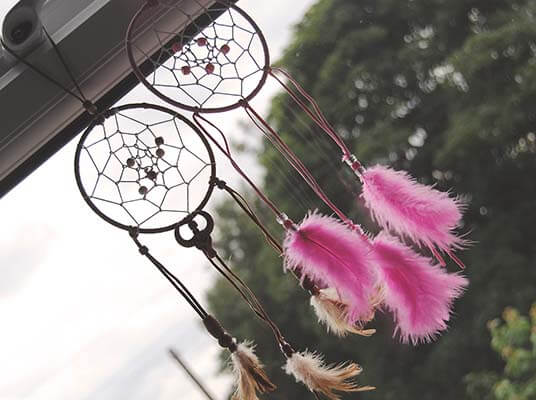
Scroll down to see how I made it and my little daughter take away immediately with the words: ‘this is mine’ 🙂

I made a dreamcatcher, as ususally says that make your own yourself :):
- willow twig (what is used for basket-weaving, I have left a couple of threads at home that I have to soak first and then bend easilyk)
- rafia (it may be asparagus or yarn)
- some feather (I collected the abandoned feather of swans at Lake Balaton few years ago and now it makes sense to collect things 🙂 )
- little stones / pebbles
- shells
- pearl
- wire (I pounded the gravel to bind it to the feathers, but if you have a bead then you don’t even have to use the pebbles (pebbles has weight to keep them straight)
- scissors
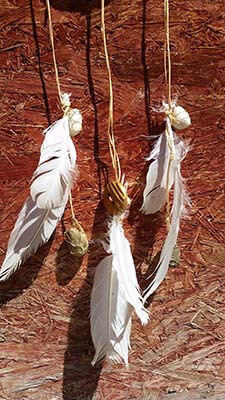
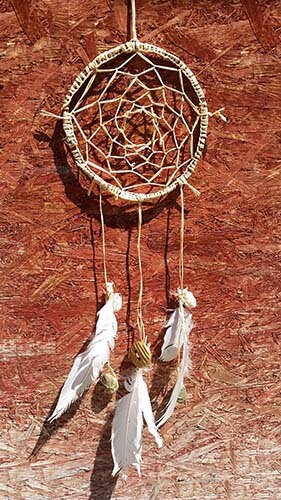
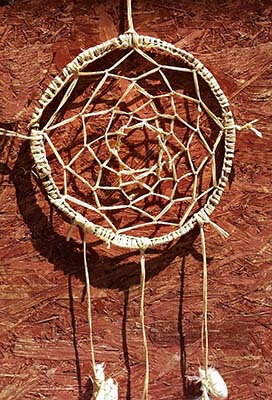
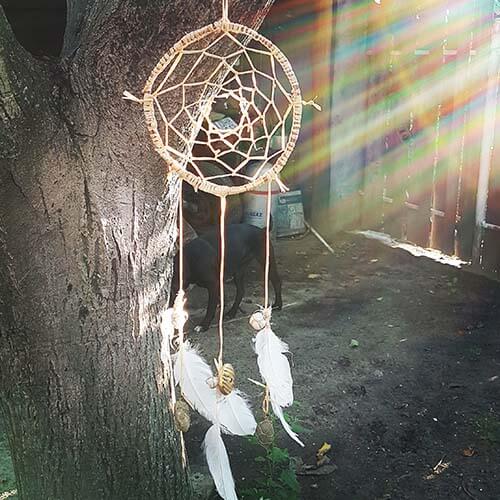
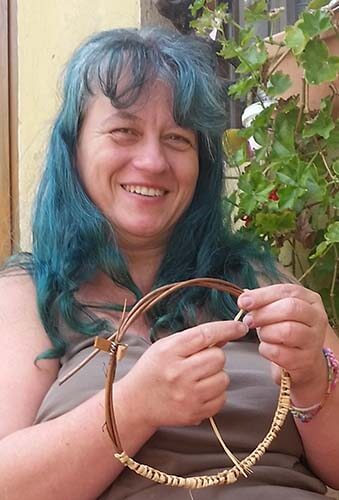
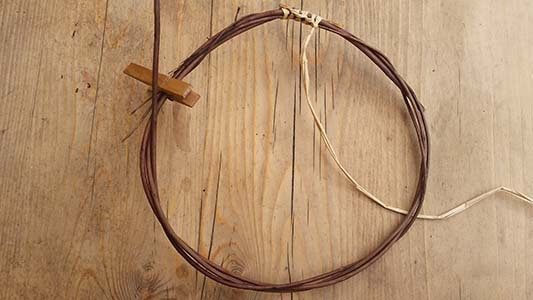
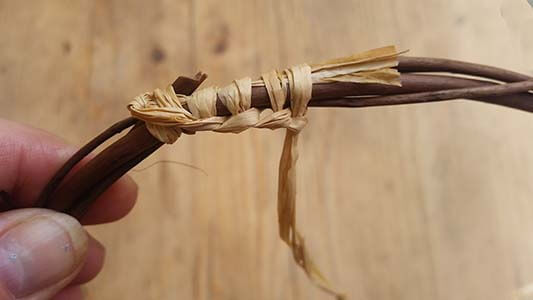
Pictures step-by-step
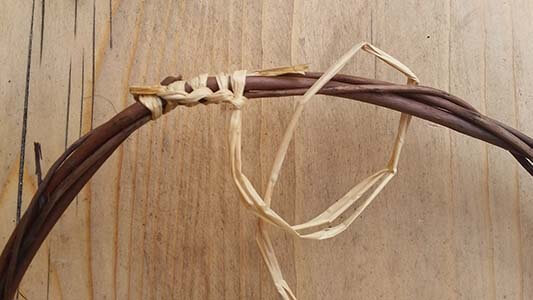
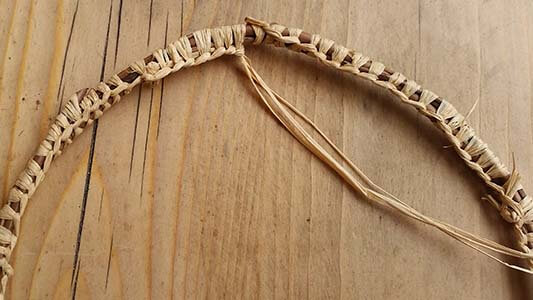
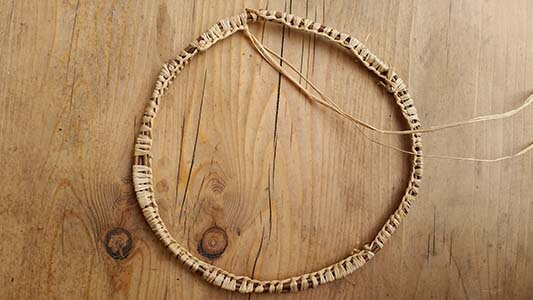
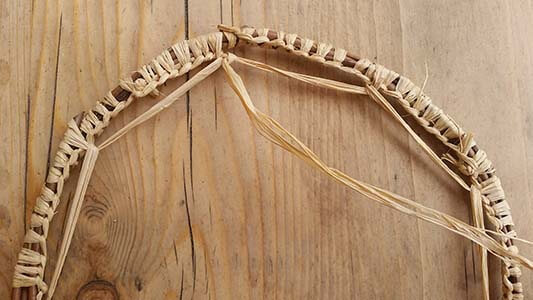
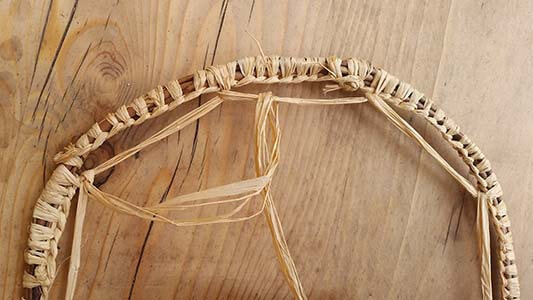
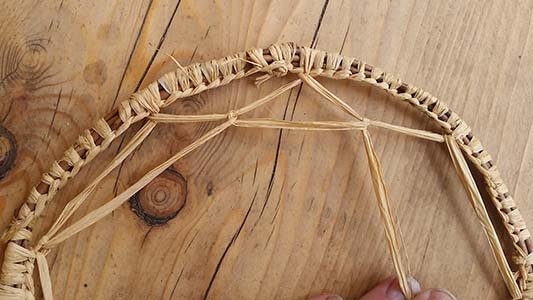
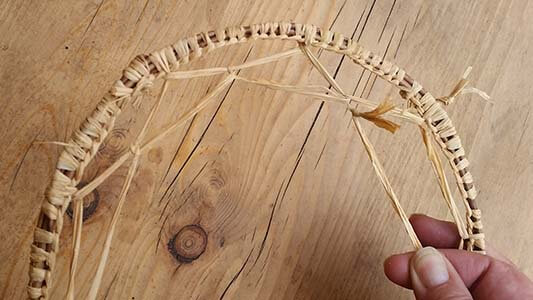
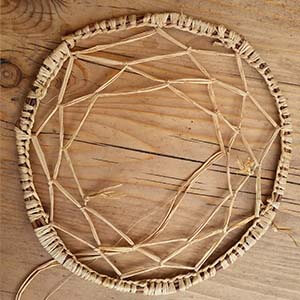
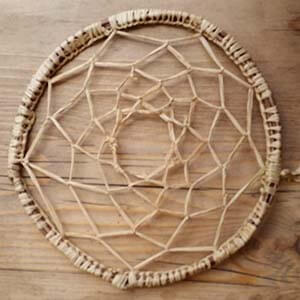 TADAA
TADAA
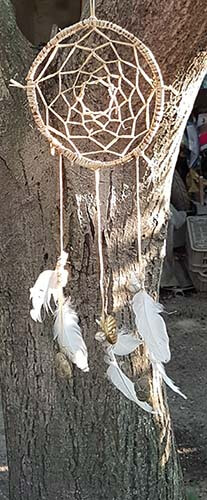
I have to tell you that this is the second one, because I left the first on the bench and Luna stole it, that was:
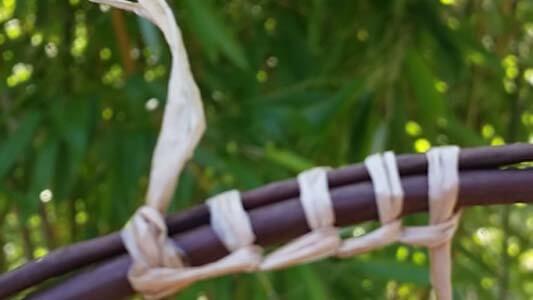
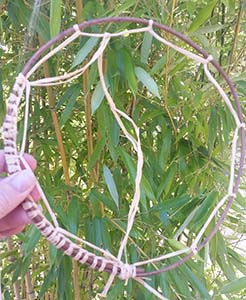
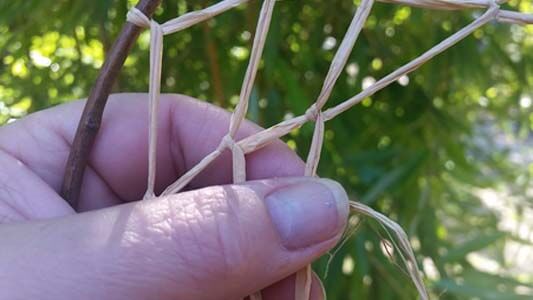
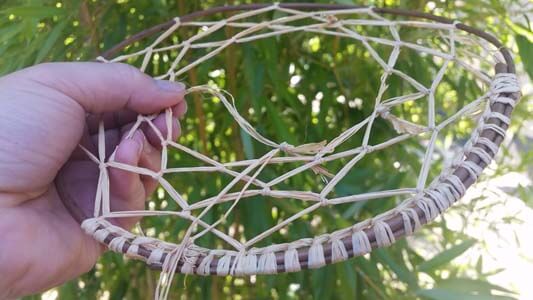
I wasn’t happy but I started again with 3 basket weaving willow twig and wrapped it around, because the first was just from 2 twigs, and only on the lower part was “rafia” . So at least the second one became stronger (picture above).
The ruins, the repentance, and after the good ‘chewing work’ deserved laziness



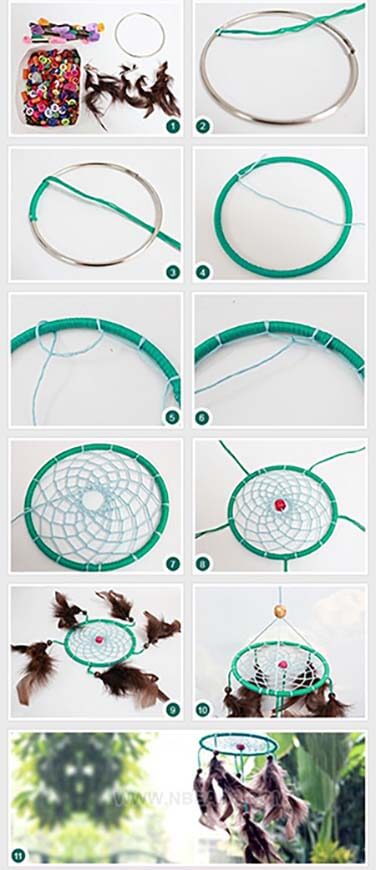
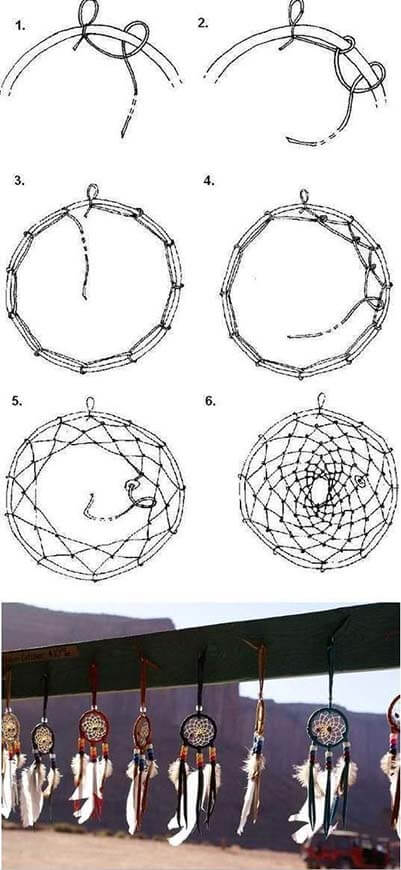
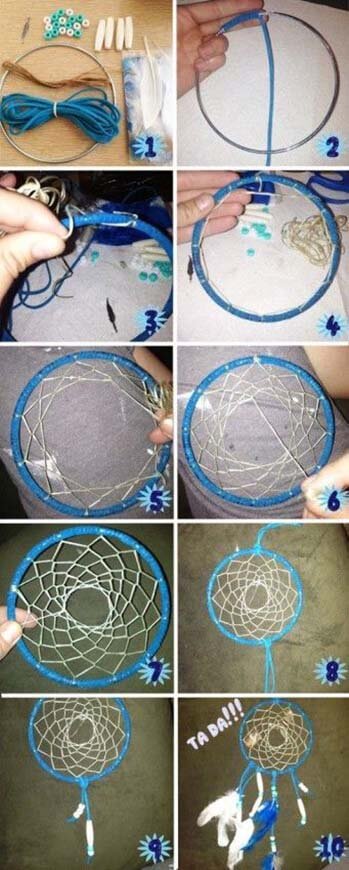
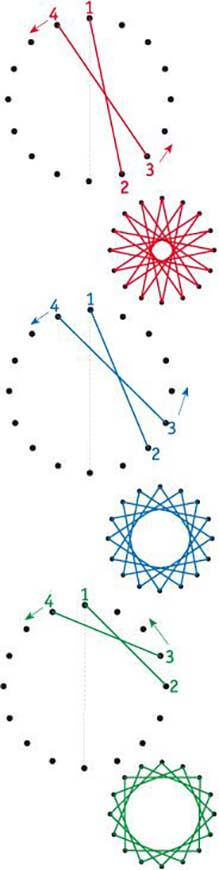
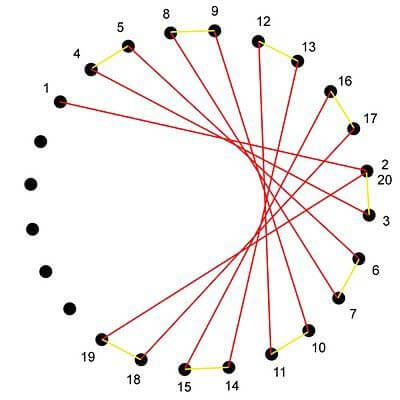
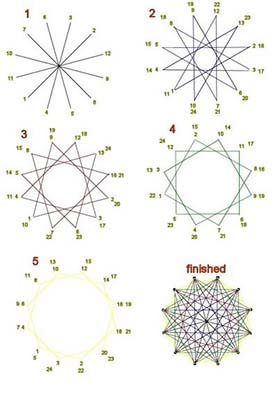
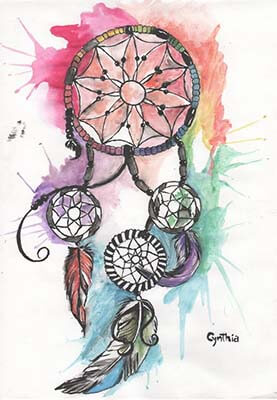
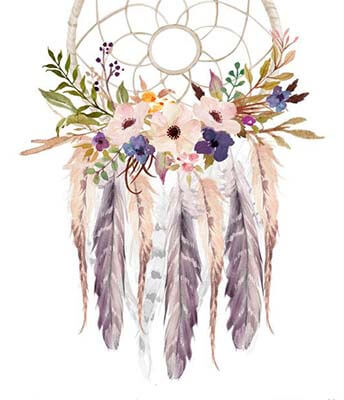
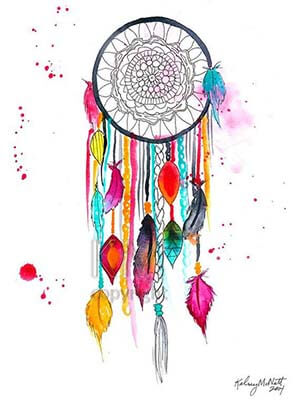
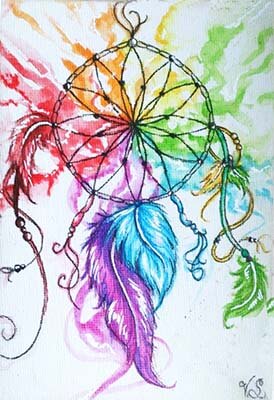
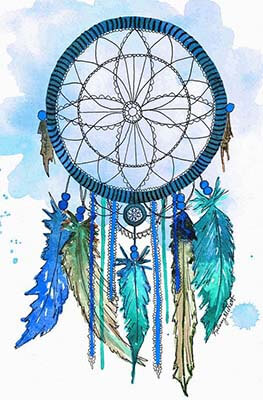
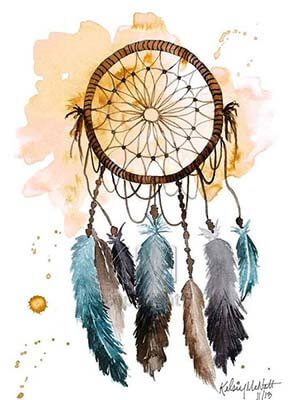
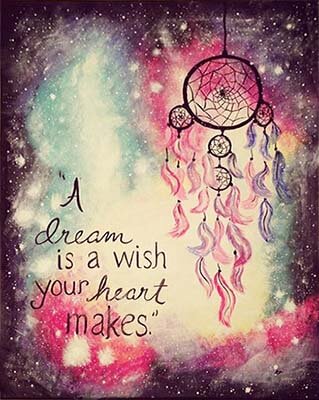
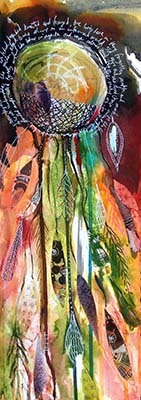
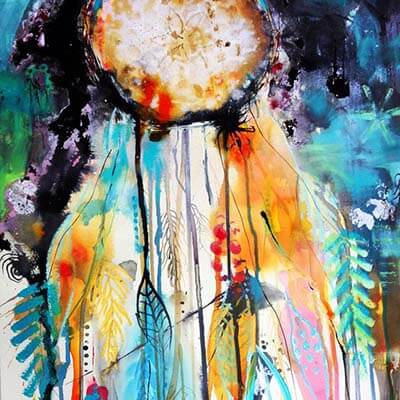
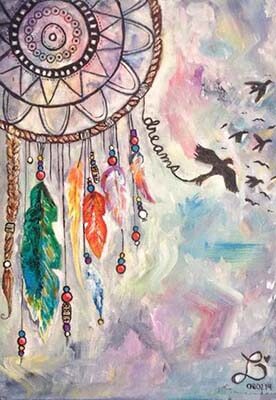
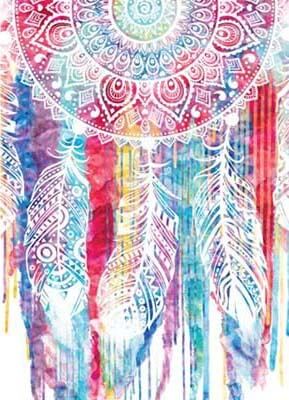
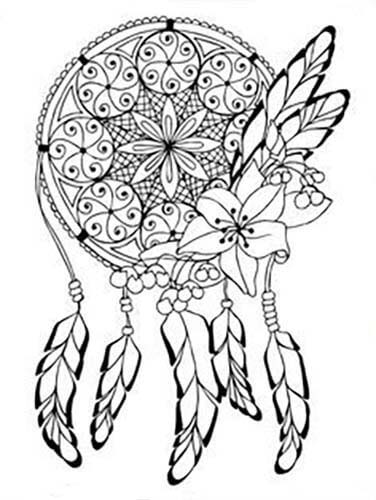
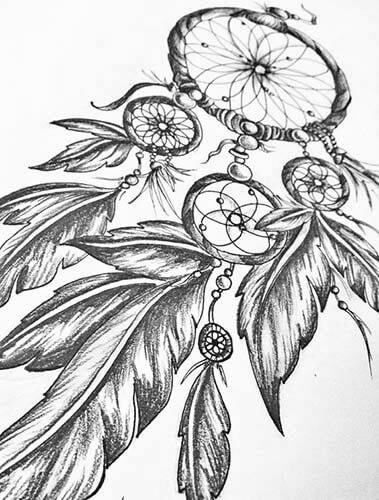
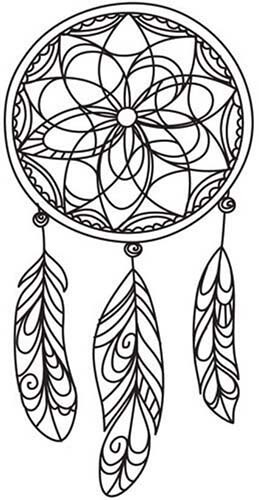
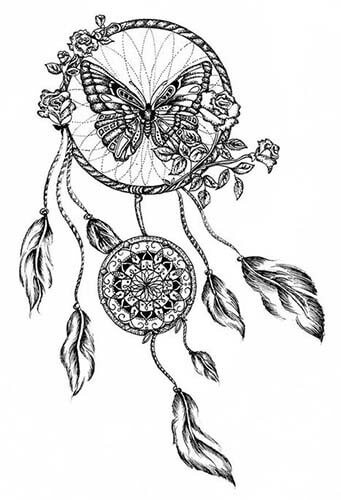
and some pictures from the net for the spinning/weaving, you can easily follow:



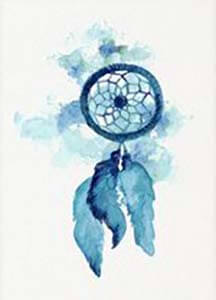

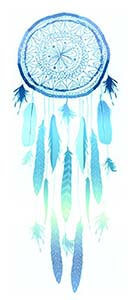
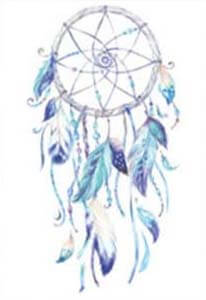
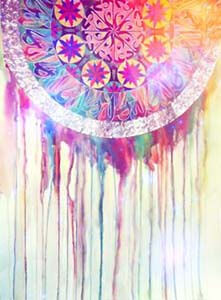
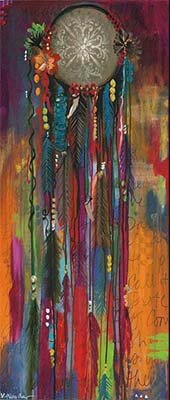
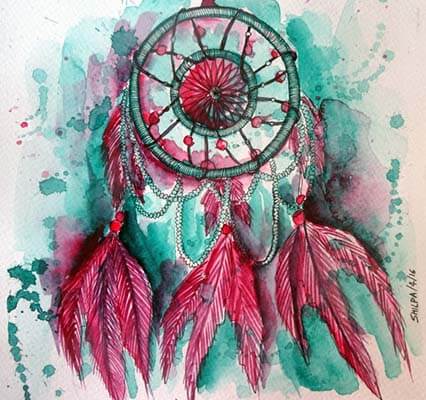
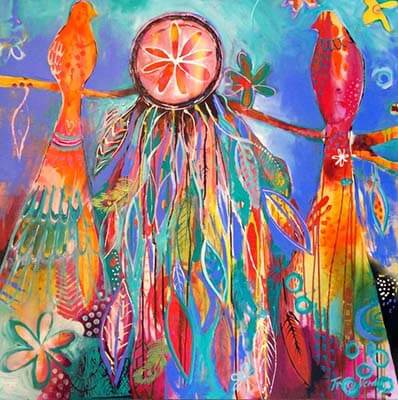
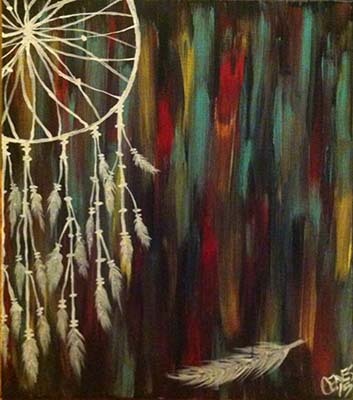

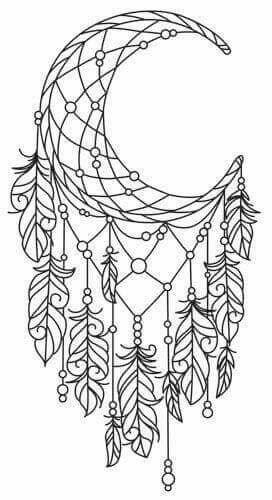
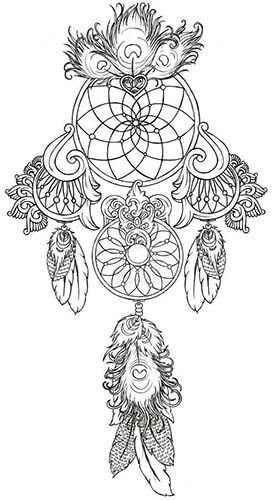
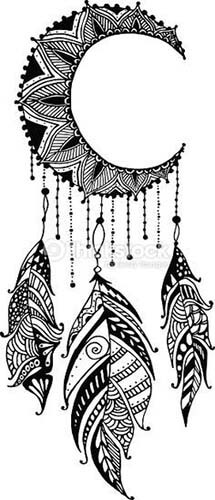

This dreamcatcher lesson has 7 parts.
You can use your own animal or totem
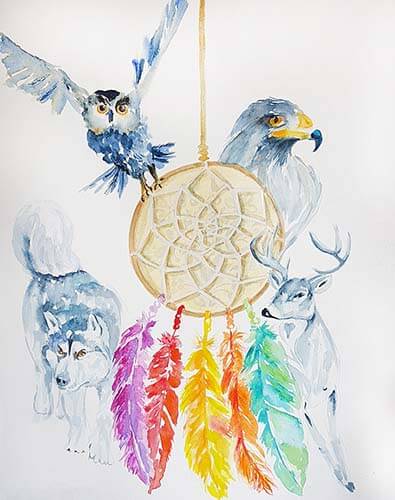
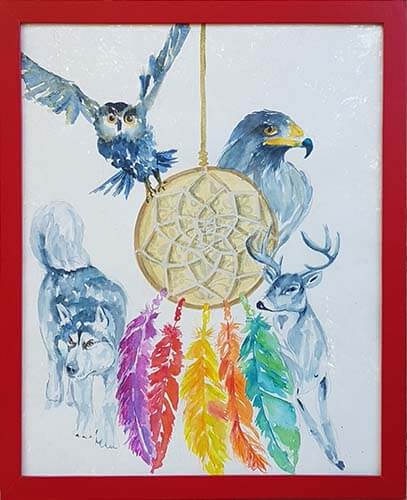
supply:
- 40×50 cm 300gr watercolour paper (why this size? because I had a frame at home)
- watercolour
- brushes any you have
- a white qouache or acryl paint
- baker paper
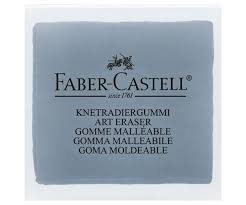
- art erasem
 Kalocsa motif under drawing

password: natureartlove
 first animal OWL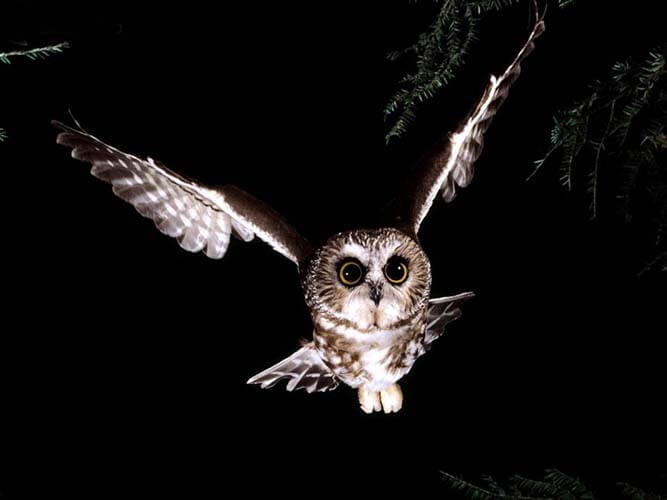
 Second animal WOLF


 Third animal EAGLE or TURUL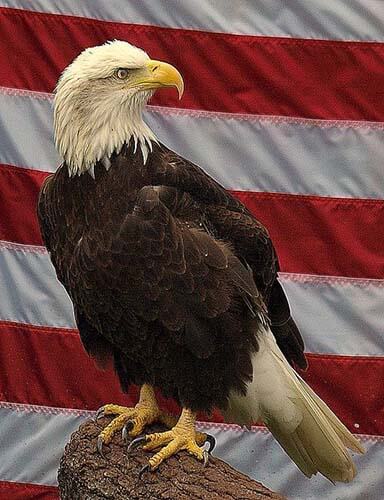

 Fourth animal DEER or magical dear (csodaszarvas in hungarian legends)


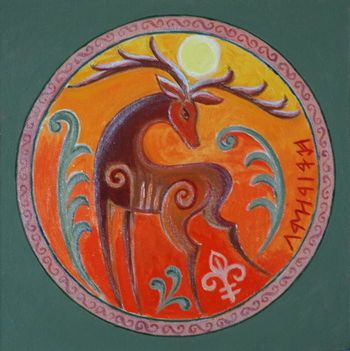
password: natureartlove
 FEATHERS
 DREAMCATCHER finishing
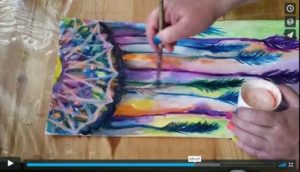
a dreamcatcher painting and the continuation
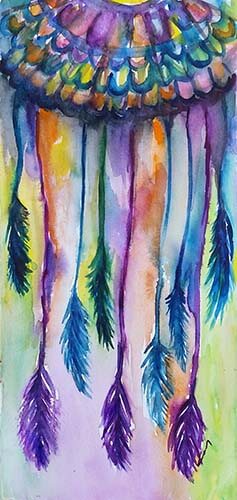
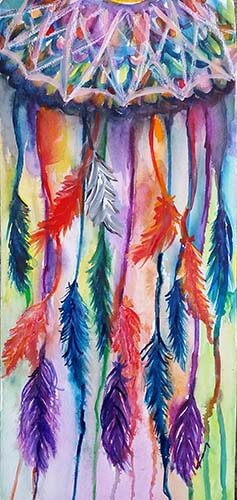
supply:
- 50×23 cm 300gr watercolour paper (why this size? because I had a frame at home)
- watercolour
- brushes any you have
- a white or flesh tone acryl paint
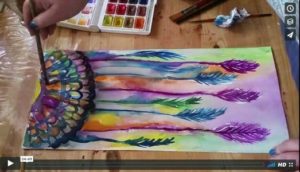
the whole video with the acryl finishing, (same as the previous until 4:30, where acryl starts
password: natureartlove
Did you have already dreamcatcher in your house?
Which one do you like to make a painting or a real one?
What animals did you choose?
I would be very happy to see your painting will you upload them to the fb group?
and to the instagram with this hastag: #natureartwithildy #natureartsummer – hashtag your work from the course and follow hashtag to see what other students are creating! Follow me on Insta HERE. Happy creating!